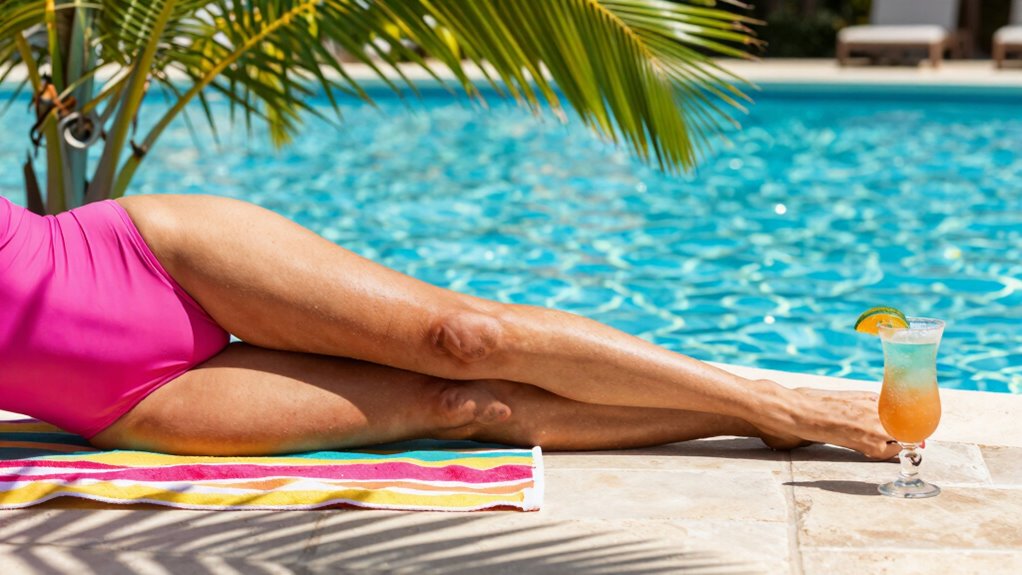
Taking poolside stretch breaks between swims can really revitalize you. Try a standing forward fold to ease tight hamstrings and lower back. Gentle side stretches are great for opening up your ribcage and improving swimming posture. Don’t forget shoulder stretches to relieve tension and enhance your range of motion. Incorporating gentle twists can boost digestion too. These quick stretches not only prepare your body but keep your energy high. There’s plenty more you can do to maximize your time by the pool!
Key Takeaways
- Refresh your body and mind between swims with quick stretching exercises to regain energy and enhance your experience.
- Perform a Standing Forward Fold to ease tight hamstrings and lower back, melting away tension before your next lap.
- Incorporate Gentle Side Stretches to expand your ribcage, improve flexibility, and enhance your swimming posture.
- Use Shoulder Stretches to relieve tightness and increase your range of motion for smoother strokes in the water.
- Engage in Gentle Twists to stimulate digestion, detoxify your body, and maintain a balanced, refreshed feeling between swims.

Taking just five minutes for a poolside stretch break can refresh your body and mind. You may not realize it, but those short intervals between swims can be perfect for some quick poolside yoga. It’s not just about diving in and out of the water; stretching helps you regain energy and enhances your swimming experience. Imagine stepping away from the edge of the pool, feeling the warm sun on your skin, and taking a moment to center yourself.
Start with simple flexibility exercises that can be done right on the deck. A great way to begin is with a standing forward fold. Stand tall, inhale deeply, then exhale as you bend forward at the hips, letting your arms hang heavy. Feel that stretch in your hamstrings and lower back. Hold this position for a few breaths, and let the tension melt away. This stretch not only eases tight muscles but also prepares your body for the next swim. Incorporating stretching techniques can further improve your flexibility and prevent stiffness, especially when combined with proper training programming. Engaging in mobility exercises regularly can help maintain your range of motion and overall comfort during your swimming sessions. Including active recovery in your routine can also optimize your overall wellness and help prevent fatigue.
Begin your poolside stretch with a standing forward fold to release tension and prepare your body for a refreshing swim.
Next, try some gentle side stretches. Stand with your feet shoulder-width apart, reaching your right arm overhead while leaning to the left. This movement expands your ribcage and opens up your sides, which is especially beneficial after a few laps. Alternate sides to keep your body balanced. You’ll find that these stretches not only improve your flexibility but also enhance your overall swimming posture.
Don’t forget about your shoulders! After all that paddling, they deserve some attention. Extend one arm across your body and gently pull it closer with your opposite hand. Hold it for a few breaths, then switch sides. This shoulder stretch can relieve tightness and increase your range of motion, making every stroke feel smoother.
Lastly, consider adding a few gentle twists to your routine. Stand with your feet firmly planted, and place your hands on your hips. As you inhale, lengthen your spine; as you exhale, twist to one side, looking over your shoulder. Hold for a few breaths before switching sides. This twist helps stimulate digestion and detoxifies your body, making you feel refreshed and rejuvenated. Incorporating functional movement into your routine can further support your overall wellness and flexibility, especially when paired with training programming.

Amazon Basics 1/2 Inch Extra Thick Exercise Yoga Mat with Carrying Strap for Home Workouts and Fitness, 74" x 24", Black
Extra thick, cushy floor mat in Black for yoga, gym, and everyday exercise
As an affiliate, we earn on qualifying purchases.
As an affiliate, we earn on qualifying purchases.
Frequently Asked Questions
How Long Should I Wait Between Swims for Stretching?
You should wait about 5 to 10 minutes between swims for stretching. This stretch timing allows your muscles to recover slightly while enhancing your swim performance. Focus on dynamic stretches that target your shoulders, hips, and legs to keep everything loose and ready. Don’t rush; take a moment to breathe and reset. A quick stretch can make all the difference in how you feel and perform in the water!
Can These Stretches Help Prevent Swimming Injuries?
Absolutely, these stretches can help prevent swimming injuries. Imagine a well-tuned machine, each part moving seamlessly—your body works the same way. By incorporating stretching into your routine, you enhance muscle recovery and keep your muscles flexible. This proactive approach not only helps avoid strains and sprains but also improves your overall performance. So, take those moments to stretch; your body will thank you, and you’ll swim stronger with less chance of injury.
What Equipment Do I Need for Poolside Stretches?
For effective poolside stretches, you’ll need a few essential items. A yoga mat provides comfort and stability for your stretches, making it easier to maintain balance. Resistance bands are great for adding resistance to your routine, enhancing flexibility and strength. Both of these tools are portable and easy to use, allowing you to maximize your stretching time between swims. Grab your mat and bands, and get ready to feel the benefits!
Are There Any Stretches to Avoid Before Swimming?
Before swimming, you should avoid static stretches, as they can be like a locked door, limiting your mobility. Instead, focus on dynamic stretches, which warm up your muscles and increase your range of motion, preparing you for the water. Think of these movements as gentle waves, flowing and easing your body into action. By prioritizing dynamic stretches, you’ll enhance your performance and prevent injuries, allowing you to glide through the pool effortlessly.
How Often Should I Incorporate Stretch Breaks Into My Routine?
You should incorporate stretch breaks into your routine at least two to three times a week. This frequency helps improve flexibility benefits and enhances your overall performance. By integrating these breaks, you’ll not only reduce the risk of injury but also feel more relaxed and agile. Don’t forget to listen to your body—if you’re feeling tight or sore, a quick stretch can make a big difference in how you feel.

Trideer Stretching Strap Yoga Strap Physical Therapy for Home Workout, Exercise, Pilates and Gymnastics, 10 Loops Non-Elastic Stretch Bands with Aesthetic Packaging for Women & Men (Black)
Long Lasting Premium Quality: Made of sturdy polypropylene, this tough yoga strap stands out in a crowd by…
As an affiliate, we earn on qualifying purchases.
As an affiliate, we earn on qualifying purchases.
Conclusion
So, as you lounge by the pool, don’t just soak up the sun—take a moment to stretch and recharge. These simple moves can enhance your swim performance and keep you feeling refreshed. Imagine diving back into the water, muscles primed and ready, and the cool splash invigorating your every stroke. But what if you discover that these stretches reveal a new level of strength and flexibility? The next swim could change everything—are you ready to find out?
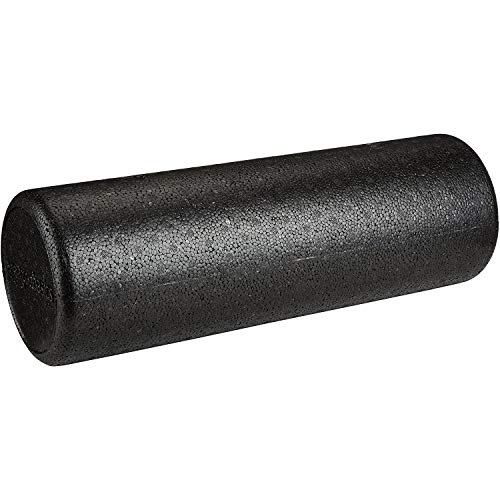
Amazon Basics High-Density Foam Roller for Exercise and Recovery, 18 Inches, Black
High-density foam roller in Black
As an affiliate, we earn on qualifying purchases.
As an affiliate, we earn on qualifying purchases.
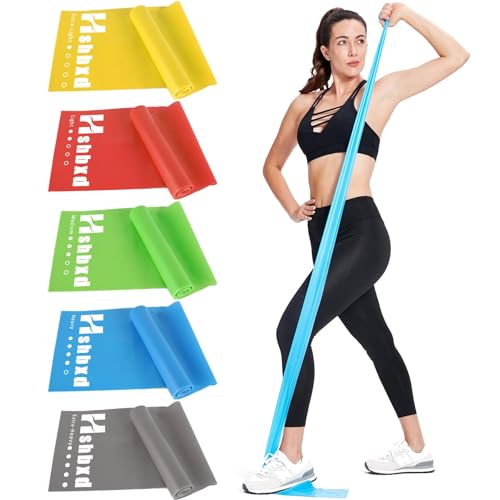
Resistance Bands for Physical Therapy, Working Out Bands, Latex Free Elastic and Exercise Bands Set for Stretching, Suitable for Rehab, Yoga, Pilates, Gym, Home Exercise (Five Colors)
Good Quality Exercise Bands – Made of TPE material, TPE is environmentally friendly, non-toxic and safe, has a…
As an affiliate, we earn on qualifying purchases.
As an affiliate, we earn on qualifying purchases.