
TL;DR

Get pool and patio gear delivered free — and shop member deals
- Fast, free delivery on millions of items
- Access to Prime Big Deal Days deals on October 6–7
- Prime Video, Amazon Music and more included
Inflatable pool floats for kids are mainly leisure items, not safety devices. Prioritize safety features, age-appropriateness, and adult supervision for worry-free fun. Recent trends include themed designs and eco-friendly materials.
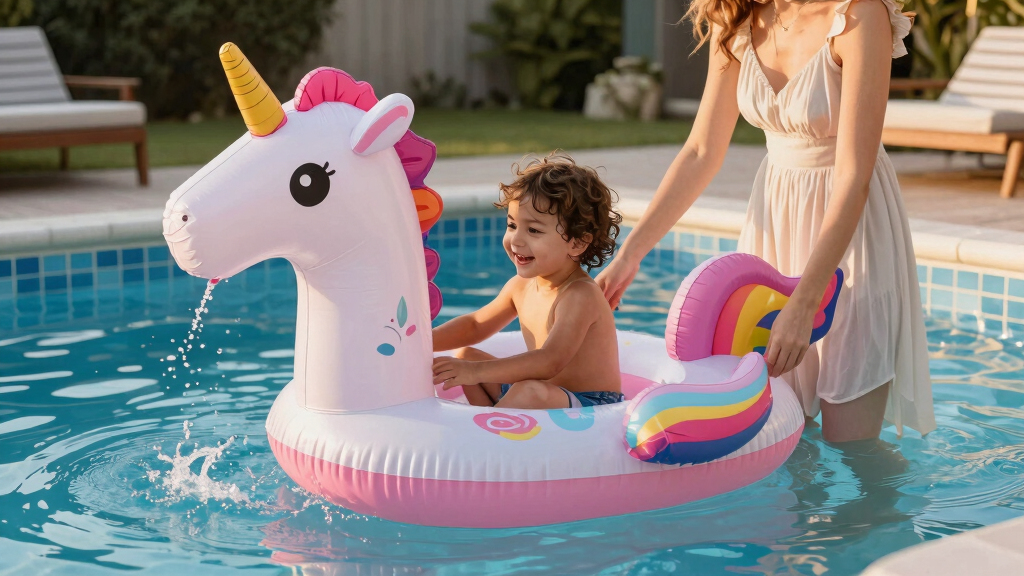
Imagine your kid splashing happily, cheeks flushed with excitement, on a bright, animal-shaped float. It’s summer, the water’s warm, and the float adds that perfect splash of fun. But beyond the smiles, safety and smart choices matter more than ever. You want your child to enjoy pool time, but knowing what makes a float safe and fun can feel overwhelming.
This guide breaks down everything you need: from the latest safety features, popular designs, to eco-friendly options. Get ready to pick a float that keeps your kid smiling — and safe — all summer long.
Always choose floats with wide bases and multiple air chambers for maximum stability.
Check age and weight limits—never force a float meant for older kids on a toddler.
Prioritize adult supervision—floats are leisure aids, not safety devices.
Inspect floats regularly for punctures or damage, and store them properly.
Look for eco-friendly floats made from recycled or biodegradable materials to reduce environmental impact.
What Makes a Pool Float Safe and Kid-Friendly?
Inflatable pool floats for kids are designed with safety in mind, but they’re still leisure items—not life-saving devices. Look for floats with wide bases and multiple air chambers. These features help prevent tipping over in the water, giving your child more stability. For example, a float with two or three separate chambers stays afloat even if one punctures.
Material quality is also key. Choose floats made from non-toxic, puncture-resistant vinyl or PVC. They’re sturdy and safe if your kid accidentally bumps into the pool edge or brushes against a rough surface.
Remember: floats are aids, not substitutes for adult supervision. Always keep a close eye on your child, no matter how fun or stable the float looks.
Understanding why these safety features matter helps you make better choices. For instance, multiple air chambers act as a safety net—if one chamber deflates, the others keep the float afloat, reducing the risk of your child tipping over or sinking. Wide bases distribute weight evenly, preventing accidental tipping and increasing confidence for nervous swimmers. Material quality ensures durability and reduces the risk of punctures that could cause sudden deflation, which could be dangerous if your child is far from the pool edge. Recognizing these tradeoffs helps balance fun and safety, ensuring your child’s enjoyment doesn’t come at the expense of security.
kids inflatable pool float with safety features
As an affiliate, we earn on qualifying purchases.
As an affiliate, we earn on qualifying purchases.
How to Pick the Perfect Float for Your Child’s Age and Size
Choosing the right float isn’t just about looks. It’s about fit and safety. Here’s a simple 3-step process:
- Check the age and weight limits listed on the float. For example, some floats are designed for children up to age 5 and under 40 pounds.
- Pick a float with appropriate support features. Younger kids benefit from floats with built-in seats, backrests, or safety harnesses.
- Test the float in shallow water before letting your child use it in deeper areas. Make sure it feels stable and comfortable.
Always supervise and double-check the float’s condition before each use. Damaged or deflated floats are safety hazards.
Understanding why these guidelines matter is crucial. Age and weight limits are set based on the float’s capacity to support a child’s body safely—using a float outside these parameters increases the risk of tipping or injury. Support features like safety harnesses prevent accidental slips and help keep your child secure, especially in deeper water or for less confident swimmers. Testing in shallow water ensures the float’s stability and comfort before venturing into more challenging depths. Regular supervision and inspection prevent accidents caused by wear and tear, which can compromise safety. These steps balance enjoyment with essential safety considerations, making pool time both fun and secure for your child.
Compare Top Features in Kids’ Inflatable Pool Floats
| Feature | Why It Matters | Best For |
|---|---|---|
| Multi-chamber design | Extra buoyancy & safety in case of leaks | Young children & beginners |
| Bright, fun shapes | Engages kids & encourages pool time | Toddlers & preschoolers |
| Built-in safety features | Harnesses, non-slip surfaces for added security | Active or nervous swimmers |
| Eco-friendly materials | Less environmental impact & safer for kids | Parents who prioritize sustainability |
| Interactive elements | Water sprayers, LED lights boost fun | Older kids & pool parties |
Matching features to your child’s needs makes pool time safer and more exciting. For example, a float with a sunshade can protect your kid from UV rays while they splash around in the afternoon.
Understanding the importance of these features helps you weigh options better. For instance, a multi-chamber design offers peace of mind—if one chamber deflates, the others keep your child afloat, reducing panic or risk. Bright, engaging shapes motivate children to enjoy pool time, but they also serve as visual cues for parents to monitor their kids easily. Built-in safety features like harnesses and non-slip surfaces provide extra security, especially for active or nervous swimmers who might otherwise slip or tip over. Eco-friendly materials are not just a trend—they reflect a commitment to sustainability and safety, as they often contain fewer harmful chemicals. Interactive elements, while adding fun, should always be used with supervision, as they can sometimes distract children from paying attention to safety.
Latest Trends: What’s New in Kids’ Pool Floats?
Kids’ floats are evolving fast. Recent innovations focus on safety, fun, and eco-consciousness. Multi-chamber designs now offer better stability, and some models include non-slip surfaces or even safety harnesses.
Designs are more vibrant and themed—think animals, superheroes, or princesses—making pool time feel like play. Themed floats with water sprayers, LED lights, or even built-in games turn a simple float into a mini adventure.
Eco-friendly options are gaining ground too. Brands now use recycled or biodegradable materials, helping reduce plastic waste without sacrificing durability.
High-end models even incorporate smart tech, like waterproof Bluetooth speakers or LED lighting controlled by smartphone apps. These features boost fun but should always be used under supervision.
Staying current with these trends is important because they reflect ongoing efforts to enhance safety and engagement. For example, multi-chamber designs and non-slip surfaces reduce risks associated with instability. Themed designs and interactive features make pool time more inviting, encouraging kids to stay active and safe. Eco-friendly materials demonstrate a growing awareness of environmental impact, aligning safety with sustainability. High-tech features add excitement but require responsible use to prevent accidents. Recognizing these trends helps you select floats that are not only fun but also safer and more aligned with modern standards.
How to Keep Inflatable Floats in Top Shape
Maintaining your float extends its life and keeps it safe. Rinse the float with fresh water after each use, especially if it’s been in salt or chlorinated water. Let it dry completely before storing to prevent mold or mildew.
Store floats in a cool, dry place, away from direct sunlight. UV rays can weaken the material over time, causing cracks or leaks. Consider deflating the float for compact storage, especially during off-season months.
Regularly inspect for punctures, tears, or leaks. Small damages can often be patched with repair kits, which most floats come with or are available separately. Checking your float every season keeps your pool fun safe and worry-free.
Proper maintenance not only prolongs the lifespan of your float but also ensures ongoing safety. Rinsing removes salt, chlorine, and dirt that can degrade the material, while drying prevents mold growth. Storing in a cool, shaded spot minimizes UV damage, which can weaken the seams and fabric over time. Deflating the float reduces strain on the material during storage, preventing accidental punctures or warping. Regular inspections catch small damages early—patching these prevents leaks that could cause sudden deflation during use. These practices balance longevity with safety, ensuring your float remains reliable and secure for many summers to come.
Frequently Asked Questions
Are inflatable pool floats safe for young children?
They can be safe if used correctly and under adult supervision. Always choose floats designed for your child’s age and weight, and never rely on floats alone for safety. They’re aids, not substitutes for life jackets or close supervision.
What features should I look for when buying a float for my kid?
Prioritize safety features like multi-chamber design, appropriate size and weight limits, and non-slip surfaces. Fun designs and interactive elements are great, but safety always comes first. Check labels and reviews to ensure quality and compliance.
How do I ensure the float is safe and reliable?
Inspect for visible damage, leaks, or punctures before each use. Look for safety certifications like ASTM or EN71. Regularly clean and store the float properly, and replace it if it shows signs of wear or damage.
Can children use inflatable floats in deep water?
Most floats are meant for shallow areas or pools. Never let children use floats in open or deep water without close supervision. Always follow manufacturer guidelines and avoid risky situations.
How do I maintain and store inflatable floats?
Rinse with fresh water after use, dry thoroughly, and store in a cool, shaded place. Deflate the float during off-season and check periodically for leaks. Proper care extends your float’s lifespan and safety.
Conclusion
Picking the right inflatable pool float transforms pool time from just fun into a safe adventure. Focus on stability, age-appropriate design, and quality. The right float can make every splash memorable—and safe.
So next time you shop, imagine your kid’s face lighting up on that bright, animal-shaped float. That’s what summer memories are made of — fun, safe, and full of splash.
Fall Picks
fall essentials
As an affiliate, we earn on qualifying purchases.