TL;DR

Get pool and patio gear delivered free with Prime
- Fast, free delivery on millions of items
- Prime Video, Amazon Music and more included
- Member-only deals all year
A Homes & Gardens gardening report recommends mulching four plant groups in October: perennials, shrubs, strawberries in colder climates, and garlic. It advises leaving Mediterranean herbs and succulents unmulched with organic material because moisture around them can contribute to rot; timing and local conditions matter.
Homes & Gardens’ October 2026 gardening report recommends applying fall mulch to perennials, shrubs, strawberries in colder climates, and garlic, while advising gardeners to avoid heavy organic mulch around Mediterranean herbs and succulents. The guidance matters because mulch can insulate roots and reduce moisture loss, but the same moisture retention can raise the risk of rot for plants that prefer dry, well-drained soil.
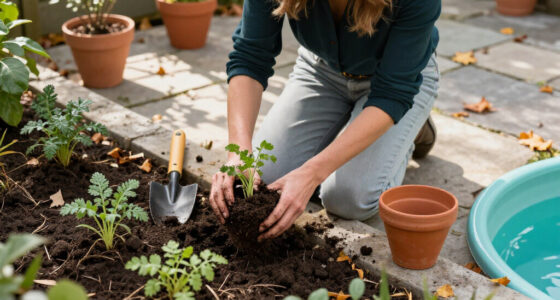
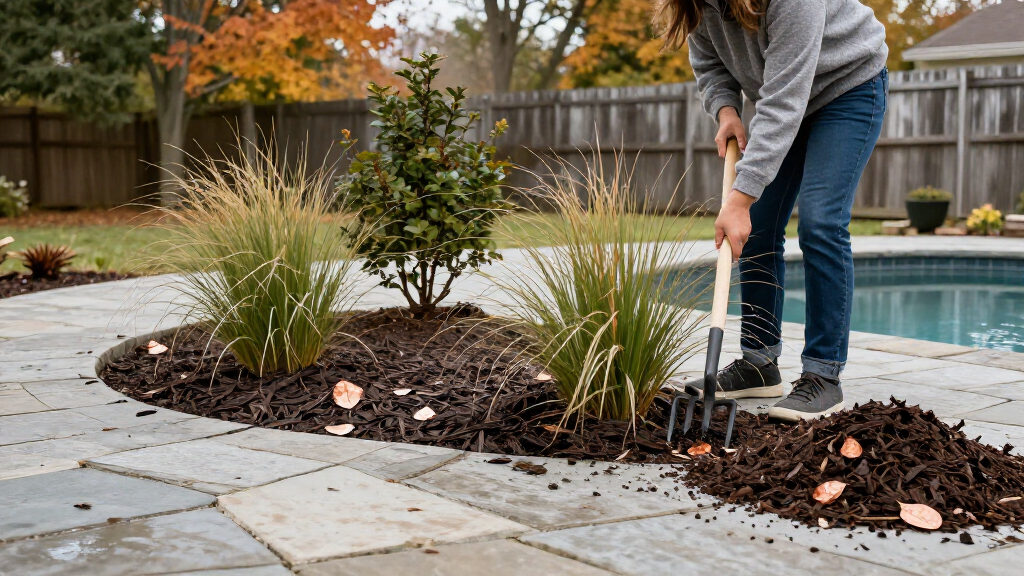
The report says a 2–3-inch layer of organic mulch, such as compost, chopped leaves, bark, or pine straw, can help protect perennial roots from frost and replenish soil nutrients as the material breaks down. Examples include hostas, coneflowers, daylilies, black-eyed Susans, peonies, salvias, and coral bells. It also notes that many perennial stems and seed heads can remain through winter, providing food and habitat for wildlife.
For shrubs, the report highlights shallow-rooted varieties such as azaleas, hydrangeas, spirea, and euonymus, as well as shrubs planted during the current season. It recommends wood chips or shredded bark, while warning against piling mulch against stems. Wendy Hanson Mazet, a plant diagnostician with the University of Nevada, Reno Extension, says mulch touching trunks or stems can shelter rodents and give them access to bark and cambium tissue.
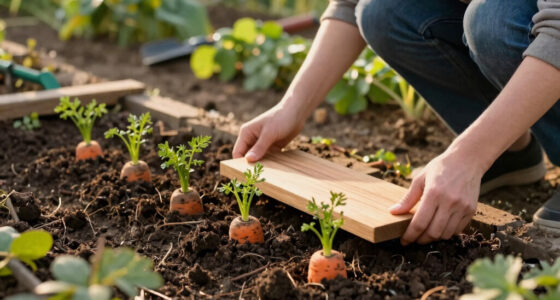
Strawberries are a more conditional case: the report recommends winter mulching in US hardiness zones 6 and below, after the plants become dormant. It advises removing dead or diseased foliage and covering the soil with a couple of inches of straw without covering the crown. For garlic planted in fall, it suggests a light covering of straw, chopped leaves, compost, or leaf mold to help limit cold exposure and frost heave.
Protect Roots Without Trapping Moisture
Fall mulch can help gardeners reduce winter damage by moderating soil temperature, limiting moisture loss, and lowering the chance that repeated freezing and thawing will push roots or crowns out of the ground. The recommendations are not a blanket instruction to mulch every bed: plant needs, drainage, and local winter conditions affect whether a covering helps or harms.
That distinction is especially relevant for herbs such as lavender, rosemary, sage, and oregano. Anna Fialkoff, a horticulturist at the Connecticut College Arboretum, warns that heavy mulch can trap moisture and humidity around them, increasing their susceptibility to rot. The report suggests horticultural gravel rather than organic mulch around these dry-soil plants. It also says succulents and cacti should not be surrounded by moisture-retaining mulch in colder months.
Products Worth Considering

Husqvarna 125B Gas Leaf Blower

EGO POWER+ 21 Cordless Electric Lawn Mower Kit, Self-Propelled

Blackstone 22-Inch Electric Griddle – 1600W Non-Stick Ceramic Titanium Coated Stainless Steel Tabletop Griddle with EZ-Touch Control Dial, L
As an affiliate, we earn on qualifying purchases.
How October Mulching Fits Fall Care
The report frames mulching as one part of seasonal garden preparation, alongside weeding beds and clearing dead or diseased strawberry foliage. It presents organic materials—including compost, bark, chopped leaves, and straw—as options, with the choice depending on the plant. Leaves can be collected and chopped before being spread over soil, according to the article.
Timing is also plant-specific. Strawberry mulch should go on only once plants are dormant, indicated in the report by fading green color, a reddish tint, and wilting. Garlic is planted in fall and establishes roots before winter, while established perennials and shrubs benefit from protection as temperatures drop. The report does not provide a single calendar date that applies to every region.
“When mulch is piled directly against trunks or stems, it provides both protection and easy access for rodents, which can ultimately lead to the decline or death of the plant.”
— Wendy Hanson Mazet, plant diagnostician for the University of Nevada, Reno Extension
Local Weather and Soil Still Matter
The recommendations are general guidance, not a guarantee for every garden. The report does not specify how much mulch is appropriate for every soil type, drainage condition, or local climate, and its strawberry advice is explicitly tied to colder areas, including US hardiness zones 6 and below. Gardeners should account for their own growing conditions and the needs of individual plants rather than applying the same depth and material everywhere.
The report also does not give a specific mulch depth for garlic or a precise date for applying it. Its central caution is to avoid trapping excess moisture around plants that need dry conditions and to keep mulch away from crowns, trunks, and stems where contact could create problems.
Check Plants Before Spreading Mulch
Before mulching, identify the plants in each bed, check whether strawberries have gone dormant, and remove diseased foliage where advised. Choose a suitable material and spread it around the root zone without burying plant crowns or piling it against stems. For perennials and shrubs, the report gives a 2–3-inch layer as a general recommendation; it calls for a couple of inches of straw on dormant strawberries in colder climates.
As temperatures fall, gardeners can adjust their approach to local weather and soil drainage. Mediterranean herbs and succulents should remain free of thick, moisture-retaining organic mulch, while dry gravel around Mediterranean herbs is offered as an alternative. The report provides seasonal guidance, but does not set region-specific application dates.
Key Questions
Which plants does the October report recommend mulching?
It recommends mulching perennials, shrubs, strawberries in colder climates, and garlic, with materials and timing suited to each plant.
How deep should mulch be around perennials and shrubs?
The report suggests a general layer of 2–3 inches for perennial beds and shrubs. Keep it away from trunks and stems rather than piling it against the plant.
When should strawberries be mulched for winter?
Wait until strawberry plants are dormant, then remove dead or diseased foliage and apply a couple of inches of straw around the plants. Do not cover the crowns. The report highlights this protection for colder climates, including US hardiness zones 6 and below.
Which plants should not get heavy organic mulch?
The report advises against heavy organic mulch around Mediterranean herbs such as rosemary, lavender, sage, and oregano, and around succulents and cacti. Trapped moisture can contribute to rot in plants that prefer dry conditions.
Source: rss