
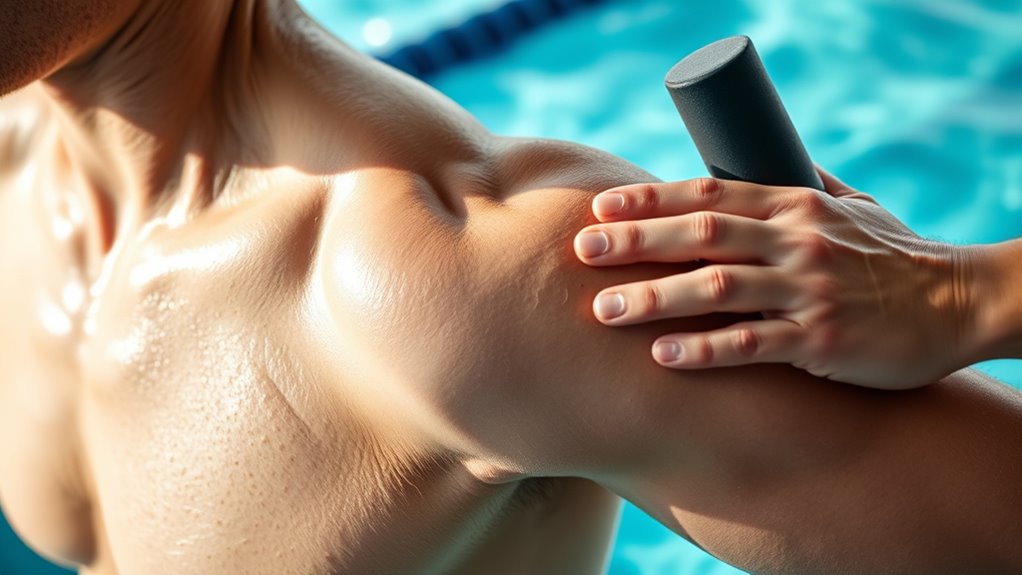

To prevent swimmer’s shoulder, focus on balancing your muscles by doing targeted shoulder and scapular stabilizer exercises, and avoid overusing specific muscles. Work on refining your stroke technique and breathing to reduce uneven strain. Stretch regularly to improve shoulder flexibility and mobility. Don’t forget to include proper warm-up, cool-down, and rest days to allow muscles to recover. Staying mindful of these strategies will help you swim pain-free and keep shoulder issues at bay.
Key Takeaways
- Strengthen rotator cuff and scapular stabilizer muscles to improve shoulder support and balance.
- Practice proper breathing techniques to reduce neck and shoulder tension during swimming.
- Focus on correct stroke form and technique to distribute load evenly across the shoulder joint.
- Incorporate regular flexibility exercises for pectorals, lats, and shoulder muscles to prevent tightness.
- Ensure adequate rest, warm-up, and cool-down routines to promote recovery and avoid overuse injuries.

Have you ever experienced lingering shoulder pain after a swim? If so, you’re not alone. Swimmer’s shoulder is a common overuse injury caused by repetitive motions and improper technique. One of the key factors behind this pain is muscle imbalances. When certain muscles around your shoulder become stronger or tighter while their counterparts weaken or stretch out, it creates uneven forces on your joint. This imbalance can lead to instability and increase the risk of injury. To prevent this, it’s essential to focus on strengthening the muscles that tend to be weaker, such as the rotator cuff and scapular stabilizers. Incorporating targeted exercises into your routine can help bring your muscles back into balance, providing better support for your shoulder during swimming.
Another critical aspect is mastering proper breathing techniques. Many swimmers hold their breath or breathe irregularly, which can lead to unnecessary strain on the shoulder muscles. When you breathe correctly—ideally, by turning your head smoothly to the side and exhaling fully—you reduce tension in your neck and shoulder region. Proper breathing also promotes better body alignment and reduces compensatory movements that can cause muscle fatigue and imbalance. By focusing on synchronized breathing, you guarantee your shoulder muscles aren’t overworked trying to stabilize your head and neck during each stroke. This not only improves your efficiency but also minimizes the risk of developing overuse injuries like swimmer’s shoulder.
It’s also essential to pay attention to your stroke technique. Poor form often results in uneven load distribution across your shoulder joint, leading to muscle imbalances over time. Keep your hand entry smooth and your pull consistent to avoid over-recruiting certain muscles. Regularly reviewing your technique with a coach or recording your strokes can help identify and correct inefficiencies that put unnecessary stress on your shoulders. Additionally, including flexibility exercises for your pectorals, lats, and shoulder girdle can prevent tightness that contributes to muscle imbalances. Recognizing the importance of muscle balance can help you maintain shoulder health and prevent injury.
Lastly, don’t ignore the importance of adequate rest and recovery. Overtraining without allowing your muscles to recover can exacerbate imbalances and lead to inflammation or pain. Incorporate rest days into your training schedule and listen to your body. When you feel discomfort or signs of fatigue, take a step back and focus on recovery. Proper warm-up and cool-down routines, emphasizing stretching and mobility work, also play a crucial role in maintaining muscle balance and preventing swimmer’s shoulder from taking hold. By paying attention to these factors—muscle imbalances, proper breathing, technique, and recovery—you’ll set yourself up for healthier, pain-free swimming for years to come.
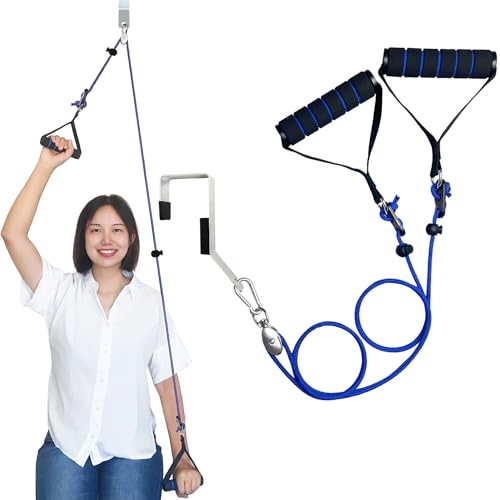
Shoulder Pulley for Physical Therapy, Pulleys for Shoulder Rehab Over Door, Shoulder Pulley Over The Door Physical Therapy, Door Pulleys For Physical Therapy, Arm Pulley, Over The Door Pulleys
RESTORE YOUR SHOULDER HEALTH- Phantawell shoulder pulley over the door physical therapy exerciser uses the force of gravity…
As an affiliate, we earn on qualifying purchases.
As an affiliate, we earn on qualifying purchases.
Frequently Asked Questions
Can Swimming Technique Adjustments Reduce Swimmer’s Shoulder Risk?
Yes, adjusting your swimming technique can reduce your risk of swimmer’s shoulder. Focus on proper breathing techniques to avoid over-rotating or straining your shoulder. Keep your arm positioning correct, ensuring a smooth, streamlined stroke that minimizes stress on the shoulder joint. By being mindful of these adjustments, you can swim more efficiently and protect your shoulders from injury, making your workouts safer and more enjoyable.
How Does Diet Influence Shoulder Injury Prevention?
Your diet impacts shoulder injury prevention considerably. Proper nutrition impacts muscle recovery and reduces inflammation, lowering injury risk. Dietary strategies like consuming anti-inflammatory foods, lean proteins, and omega-3 fatty acids support joint health. Staying hydrated also maintains tissue flexibility. By focusing on nutrition impact, you optimize your body’s resilience and healing capacity, helping prevent swimmer’s shoulder and ensuring you stay strong and injury-free during your training.
What Are Early Signs of Swimmer’s Shoulder to Watch For?
You should watch for swimmer’s shoulder warning signs like persistent pain, especially after swimming, or aching that worsens with activity. Early injury indicators include decreased shoulder mobility, weakness, or a sharp pain during strokes. If you notice these signs, don’t ignore them. Rest and seek professional advice promptly to prevent further damage and ensure a quicker recovery. Catching early injury indicators can make all the difference.
Are There Specific Stretching Routines for Shoulder Health?
Yes, you should incorporate stretching routines that focus on shoulder mobility. Dynamic stretches like arm circles and shoulder rolls help warm up your muscles, while static stretches such as cross-body shoulder stretches and doorway stretches improve flexibility. Regularly including these routines in your training can enhance shoulder health, prevent tightness, and reduce the risk of swimmer’s shoulder. Make sure to stretch gently and consistently for the best results.
How Often Should Swimmers Rest to Prevent Shoulder Injuries?
Think of your shoulders as a delicate garden; rest is the rain that helps it thrive. You should take at least one full rest day each week, especially if you train frequently. Balance your training frequency with proper pool hygiene, ensuring your muscles aren’t overworked or exposed to harmful bacteria. Rest allows your shoulders to recover, reducing injury risk and keeping your swimming game strong and healthy.

Baseball Softball Resistance Training Bands Arm Strength, Pitching Conditioning
Versatile Training Tool – Engineered for a wide spectrum of uses—from dynamic pitching stretches and pre‑game warm‑ups to…
As an affiliate, we earn on qualifying purchases.
As an affiliate, we earn on qualifying purchases.
Conclusion
Think of your shoulder as a delicate dance partner — when you listen and care for it, the dance flows smoothly. By staying mindful of your technique, strengthening your muscles, and resting when needed, you’re guiding your partner with gentle confidence. Neglect can cause a stumble, but with consistent care, you’ll keep your dance graceful and pain-free. Protect your shoulder like a treasured melody, and it’ll carry you through countless laps with ease and joy.

OPTP The Original Stretch Out Strap with Exercise Book, for Flexibility and Mobility Exercises. Stretch Out Straps for Physical Therapy, Yoga Stretching Strap and Knee Therapy Strap. Made in the USA
Top Choice Stretching Strap for Physical Therapy: The OPTP Stretch Out Strap was the first stretching strap on…
As an affiliate, we earn on qualifying purchases.
As an affiliate, we earn on qualifying purchases.
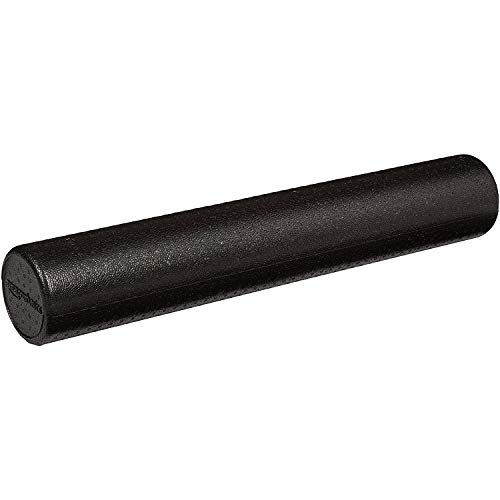
Amazon Basics High-Density Foam Roller for Exercise, Stretching and Muscle Recovery, 36 Inches, Black
High-density foam roller in Black
As an affiliate, we earn on qualifying purchases.
As an affiliate, we earn on qualifying purchases.