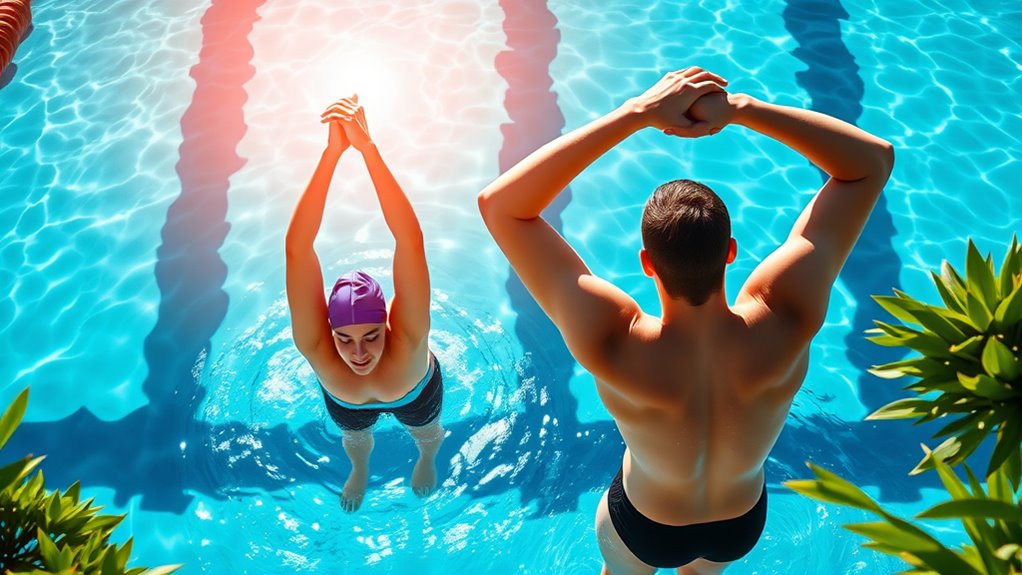

When stretching as a swimmer, do breathe steadily, inhale through your nose, and exhale deeply to stay relaxed. Always warm up your muscles first with light activity before stretching, and hold each stretch steadily for 15-30 seconds without bouncing or forcing pain. Stay well-hydrated to keep muscles flexible and listen to your body signals to avoid injury. To optimize your routine and learn more effective techniques, keep exploring trusted tips for safe stretching.
Key Takeaways
- Do warm up with light activity before stretching to prevent strains.
- Do breathe deeply and steadily during stretches to enhance relaxation and oxygen flow.
- Don’t bounce or jerk during stretches; hold each position steadily for 15-30 seconds.
- Do hydrate before, during, and after stretching to keep muscles supple and aid recovery.
- Don’t stretch to the point of pain; mild discomfort is normal, but stop if you experience sharp pain.
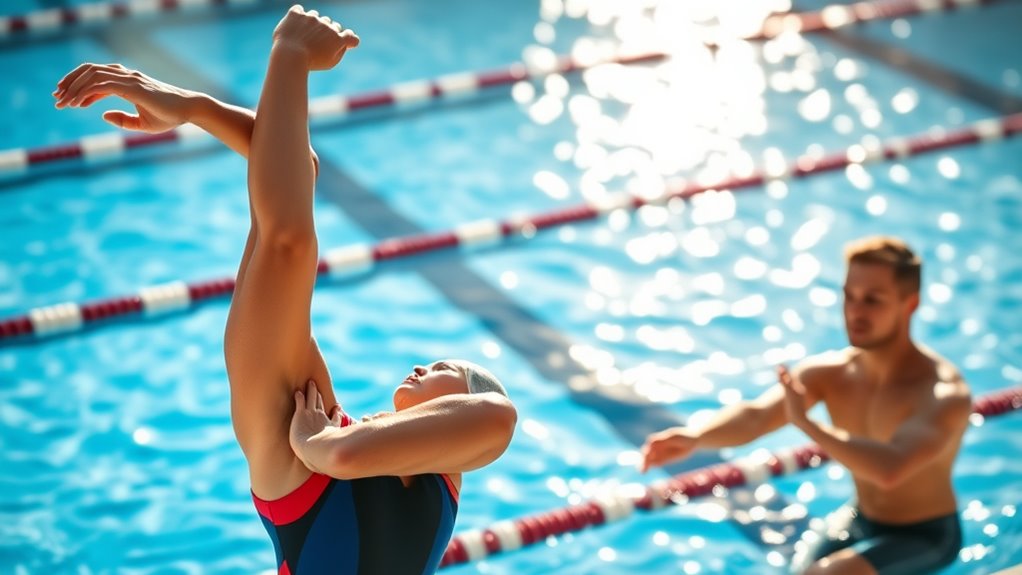
Stretching is an essential part of any swimmer’s routine, but doing it incorrectly can do more harm than good. If you want to maximize your flexibility and prevent injuries, you need to focus on proper techniques. One key aspect often overlooked is your breathing. When you stretch, breathe deeply and steadily. This helps relax your muscles, allowing for a more effective stretch. Avoid holding your breath, which can cause tension and reduce blood flow. Instead, inhale slowly through your nose as you prepare to stretch, and exhale fully as you deepen the stretch. Controlled breathing enhances relaxation and guarantees your muscles get the oxygen they need to recover and adapt. Incorporating proper breathing techniques into your routine can significantly improve your stretching effectiveness.
Hydration is equally indispensable during your stretching sessions. Dehydrated muscles are tight and more prone to strains. Before you start stretching, make sure you’re well-hydrated. Drinking water throughout the day keeps your muscles supple and responsive. If you’re stretching after a swim or workout, replenish lost fluids to prevent cramping and stiffness. Keep a water bottle nearby and take small sips regularly, especially if you notice your muscles feeling tight or if you’re stretching for an extended period. Proper hydration also improves circulation, helping nutrients reach your muscles and aiding in quicker recovery.
When it comes to your stretching routine, avoid bouncing or using jerky movements. This can overstretch or tear your muscles, leading to setbacks. Instead, hold each stretch gently and steadily for at least 15-30 seconds. This allows your muscles to lengthen gradually and safely. Don’t stretch to the point of pain; mild discomfort is okay, but sharp pain signals you should ease up. Focus on slow, controlled movements, and listen to your body’s signals. If your muscles feel tight, incorporate dynamic stretches like arm swings or leg swings before static stretches to warm up your muscles and improve flexibility.
Additionally, don’t forget to warm up properly before stretching. Stretching cold muscles increases the risk of injury. A quick warm-up, like light swimming or jogging in place for 5 to 10 minutes, gets your blood flowing and prepares your muscles for stretching. Remember, consistency is key. Regular stretching, combined with proper breathing and hydration, will improve your flexibility over time and enhance your overall swimming performance. Avoid shortcuts or rushing through your routine—invest in proper technique and listen to your body for the best results.

Ferok Pro – Swimming Resistance Band with Hand Paddles, Stretch Cord, Fitness Bands for Swimming, Training Equipment, Arm Strength Exercise, Powercord – Including Exercises – Medium Green
【True-to-Pool Swimming Simulation】Our resistance bands with paddles are designed to closely mimic the resistance and movement of pool…
As an affiliate, we earn on qualifying purchases.
As an affiliate, we earn on qualifying purchases.
Frequently Asked Questions
How Often Should Swimmers Stretch Before and After Workouts?
You should stretch before every workout with a proper warm-up routine, holding each stretch for about 15-30 seconds, to prepare your muscles and prevent injuries. After swimming, do gentle stretching to improve flexibility and aid recovery. Aim to stretch at least 5-10 minutes pre- and post-workout. Regular stretching helps maintain your range of motion and reduces the risk of injury, keeping you in peak condition for swimming.
Are There Specific Stretches for Different Swimming Strokes?
Yes, there are stroke-specific flexibility routines to help enhance your performance. For freestyle and backstroke, focus on shoulder and lat stretches to improve arm movement. Breaststroke requires hip and groin stretches, while butterfly benefits from chest and shoulder openers. Incorporate these targeted stretches into your routine to increase mobility, prevent injuries, and optimize your technique for each stroke. Customizing your flexibility routines guarantees you stay agile and perform at your best.
Can Stretching Improve a Swimmer’s Performance Significantly?
Yes, stretching can considerably improve your performance by enhancing flexibility training and reducing injury risk. When you regularly stretch, you increase your range of motion, allowing more efficient strokes and better form. This not only boosts speed but also prevents strains and injuries. Incorporate dynamic stretches before swimming and static stretches afterward to maximize benefits. Consistent flexibility training helps you stay agile, perform better, and recover faster.
What Are Common Mistakes to Avoid When Stretching?
You should avoid overstretching, as it risks injury and reduces muscle strength. Don’t rely solely on static stretching before swimming; instead, use dynamic stretches to warm up muscles properly. Remember, static stretches should be saved for post-swim to improve flexibility. Be mindful not to push too hard or hold stretches too long, which can cause overstretching risks. Balancing static and dynamic stretches helps prevent injury and enhances performance.
Is Stretching Necessary for Competitive Swimmers or Just Beginners?
If you skip stretching, you risk injury and miss out on flexibility benefits, even as a competitive swimmer. Imagine a teammate who ignored stretching before a race and pulled a muscle, losing valuable time. Stretching isn’t just for beginners; it helps prevent injuries and boosts your flexibility, enhancing your performance. Incorporate dynamic stretches into your routine to stay injury-free and reach your full potential in the pool.

Under Armour Squeeze Water Bottles, 32 oz Water Bottles, Sideline Sports Water Bottle with Quick-Shot Lid, Quick & Easy Hydration, Gym Water Bottles, Squeeze Bottle, 1 32oz Bottle
EASY HYDRATION: Under Armour's 32 oz squeeze water bottles hold liquid with a quick-shot lid and one-way valve…
As an affiliate, we earn on qualifying purchases.
As an affiliate, we earn on qualifying purchases.
Conclusion
Remember, proper stretching can boost your flexibility and prevent injuries, but avoid overdoing it to stay safe. Incorporate dynamic stretches before swims and static stretches afterward for best results. Did you know that studies show swimmers who stretch regularly improve their performance by up to 15%? By following these do’s and don’ts, you’ll enhance your swimming experience and stay injury-free. Stay consistent, listen to your body, and enjoy every splash in the pool!
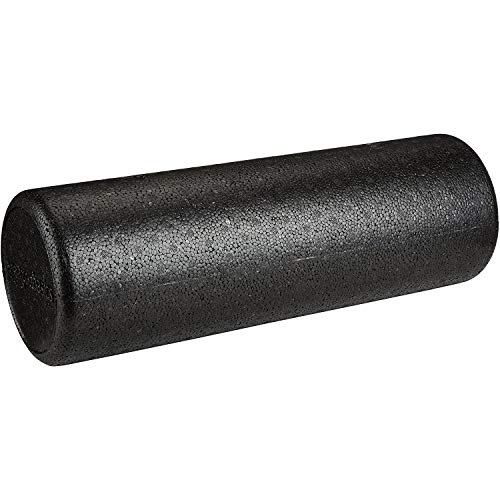
Amazon Basics High-Density Foam Roller for Exercise and Recovery, 18 Inches, Black
High-density foam roller in Black
As an affiliate, we earn on qualifying purchases.
As an affiliate, we earn on qualifying purchases.

Swim Ankle Strap Stationary Swimmer Swim Lap Swim Training Leash
Adjustable neoprene ankle straps keep you stationary while swimming laps
As an affiliate, we earn on qualifying purchases.
As an affiliate, we earn on qualifying purchases.