
TL;DR

Get pool and patio gear delivered free with Prime
- Fast, free delivery on millions of items
- Prime Video, Amazon Music and more included
- Member-only deals all year
An Ideal Home gardening report recommends cherry laurel, privet, viburnum tinus, photinia ‘Red Robin’ and escallonia for gardeners seeking screening. Horticultural experts say autumn’s warm soil and cooler, wetter weather can help shrubs establish, but growth rates, pruning needs and suitability vary.
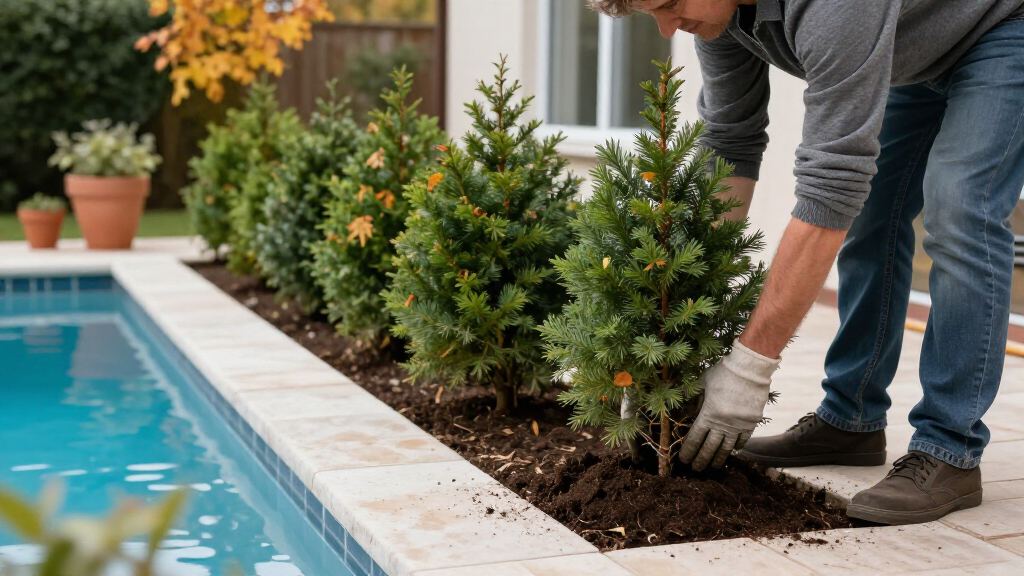
Ideal Home has recommended five shrubs for gardeners seeking faster privacy screening: cherry laurel, privet, viburnum tinus, photinia ‘Red Robin’ and escallonia. The report’s horticultural sources say autumn planting can help new shrubs establish because soil retains summer warmth while cooler temperatures and rainfall reduce heat stress; the plants’ growth rates and care requirements differ.
Cherry laurel is described in the report as dense and evergreen, with a potential height of 13 to 26 feet. Richard Barker, horticultural expert and commercial director at LBS Horticulture, says it can tolerate many conditions but warns against planting it near woodland or other natural areas because it may spread. The report advises regular watering during dry spells while it establishes and annual organic mulch.
Privet is presented as a flexible hedge choice for gardeners willing to trim it. Barker says it can grow in varied conditions, while the report advises moist, well-draining soil and watering during its first two years. It may need clipping two or three times a year to prevent a straggly appearance.
Viburnum tinus has evergreen foliage and clusters of pale flowers, which can appear from late autumn into spring in mild winters, according to Julian Palphramand, head of plants at British Garden Centres. Photinia ‘Red Robin’ offers red new growth in spring. Gardening and greenhouse expert Lucie Bradley says it can grow about 45 centimetres in height and spread each year; she recommends planting hedge specimens 30 to 60 centimetres apart and pruning regularly. Escallonia, particularly Escallonia rubra ‘Macrantha’, has glossy foliage and deep pink flowers. Bradley says it is better suited to milder southern parts of the UK.
Choosing a Shrub for Screening
The recommendations give gardeners several ways to add screening, but they are not interchangeable. Evergreen foliage is a feature of all five options in the report, while flowering, colour, mature size and maintenance vary. Those differences can affect whether a shrub suits a particular boundary, climate and amount of available space.
Fast growth comes with upkeep and placement considerations. Privet and photinia need repeated trimming for a dense, controlled hedge, and cherry laurel may spread into nearby natural areas. Checking the plant’s expected size and care needs before buying can help avoid a screen that becomes difficult to manage.
fast-growing privacy shrubs for garden
As an affiliate, we earn on qualifying purchases.
As an affiliate, we earn on qualifying purchases.
Why the Report Favors Autumn
The article frames autumn as a useful planting period rather than a guarantee of rapid screening. Lance Russell, a horticultural expert at Thompson & Morgan, says soil remains warm after summer, while cooler weather and autumn rain can help newly planted shrubs settle without the stress of summer heat.
Advice in the report is specific to each plant. Privet should be planted at the same depth it grew in its pot, or at the soil mark on a bare-root plant. For photinia, Bradley recommends regular pruning while it is growing to encourage side branches and a thicker lower hedge. For escallonia, she advises trimming after flowering and shaping it narrower at the top so light can reach the base.
“The soil is still holding warmth from summer, while cooler temperatures and autumn rainfall help newly planted shrubs establish without the stress of summer heat.”
— Lance Russell, horticultural expert at Thompson & Morgan
Growth Depends on Site Conditions
The report does not provide a controlled comparison of the five shrubs or specify how quickly each will create an effective screen in different gardens. Actual growth can depend on local conditions, including soil, climate, watering, pruning and the size of plants at purchase. Bradley’s estimate of about 45 centimetres a year applies to photinia, not to all five recommendations.
The report also does not state the publication date or provide independent measurements supporting each description of fast growth. Its plant prices and availability are listed as current in the original report, but may change. Gardeners should check with local horticultural or environmental authorities if they are unsure whether a species is suitable near natural areas.
Check Conditions Before Planting
Before buying, gardeners can compare each shrub’s mature size and maintenance needs with the space available, then check whether it suits their local climate and soil. Planting guidance should be matched to the specific species; the report advises watering during establishment and gives additional care instructions for privet, photinia and escallonia.
The article does not identify a further announcement or research milestone. The practical next step is to confirm current plant availability and prices with sellers and follow local advice on planting and management, particularly for cherry laurel near woodland or other natural areas.
Key Questions
Which five shrubs does the report recommend?
It lists cherry laurel, privet, viburnum tinus, photinia ‘Red Robin’ and escallonia.
Why does the report recommend autumn planting?
Horticultural expert Lance Russell says autumn soil can retain summer warmth, while cooler temperatures and rainfall can help shrubs establish with less heat stress than in summer.
Which option needs frequent trimming?
Privet may need clipping two or three times a year, according to the report. Photinia also benefits from regular pruning while it is growing to encourage denser branching.
Is cherry laurel suitable near woodland?
Barker advises against planting it close to woodland or other natural areas because it could spread. Check local guidance before planting where spread may affect nearby habitats.
Will these shrubs provide privacy immediately?
The report does not promise immediate screening. The time needed depends on the plant’s starting size and growing conditions; it gives an estimated annual growth rate only for photinia.
Source: rss
Fall Picks
fall essentials
As an affiliate, we earn on qualifying purchases.