
TL;DR

Get pool and patio gear delivered free with Prime
- Fast, free delivery on millions of items
- Prime Video, Amazon Music and more included
- Member-only deals all year
Country Living’s October gardening report recommends five steps to prepare roses for winter: leave some flowers to form hips, clear fallen leaves, tidy loose or damaged stems, mulch without feeding, and secure vulnerable plants. The advice is seasonal guidance from horticulturists and a garden designer; local conditions and rose varieties may affect what is appropriate.
Country Living has published five autumn tasks for gardeners preparing roses for winter, including removing fallen leaves, trimming vulnerable stems and adding mulch around roots. The checklist draws on advice from horticulturist Gail Pabst and garden designer Oliver Burgess, and cautions against hard pruning or feeding roses before spring.
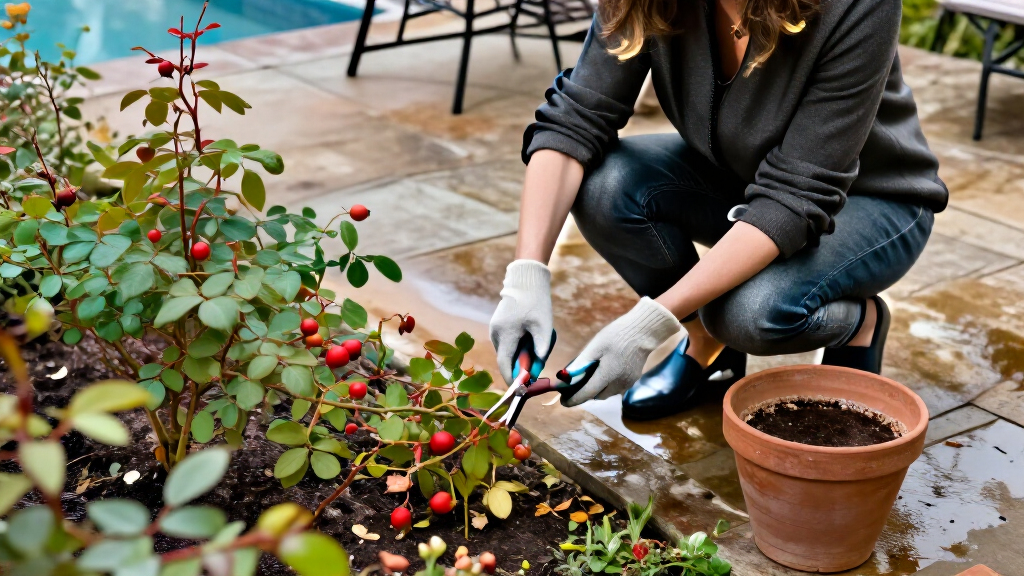
The first task is to leave some spent flowers on the plant so they can develop into rose hips. The report says hips can add color through autumn and winter. Pabst, marketing director for the National Garden Bureau, says they also provide a source of vitamin C for birds and can signal the rose to enter dormancy.
Gardeners are advised to clear fallen leaves from around the base, paying particular attention to leaves showing black spot. Pabst warns that fungal disease can survive in garden debris over winter. The report also recommends shortening long, loose stems that could move in strong winds and removing broken or damaged growth back to healthy tissue. It advises against a hard prune at this time, with Burgess saying the main pruning should wait until February or March.
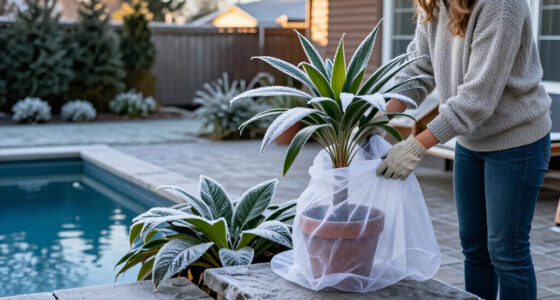
For the remaining tasks, Country Living recommends adding well-rotted manure or compost around the roots, while keeping it away from stems, and securing climbers and ramblers against wind. Burgess says potted roses can be moved to a sheltered wall, wrapped and raised on pot feet to reduce the risk of the pot freezing. He advises against feeding roses now because that could encourage soft growth before spring.
Protecting Roses Through Winter
The recommendations focus on reducing common seasonal risks: wind damage, cold around roots and disease-carrying debris. Clearing affected leaves may reduce the amount of fungal material left in the garden, while a layer of compost or well-rotted manure can help protect roots and retain moisture. Securing climbing growth and sheltering pots address exposure that can make those plants more vulnerable.
The timing advice also matters. The report’s sources caution that hard pruning and feeding now may encourage growth that is more susceptible to frost. For gardeners, the checklist distinguishes modest autumn tidying from the main pruning work recommended later in winter.
As an affiliate, we earn on qualifying purchases.
October Rose-Garden Timing
The report describes October as a period when temperatures fall, daylight shortens and flowering tails off, prompting roses to wind down toward winter dormancy. Its guidance is framed around jobs to do before winter sets in, rather than a single date that applies to every garden.
Country Living attributes the advice to Gail Pabst of the National Garden Bureau and London-based garden designer Oliver Burgess. Their comments cover different parts of the checklist: Pabst discusses rose hips and clearing diseased leaves, while Burgess addresses stem trimming, feeding, pruning timing and protection from wind.
“Fungal disease will overwinter in your garden and will be there to greet you if you don’t remove it.”
— Gail Pabst, as quoted by Country Living
Advice Depends on Garden Conditions
The report does not give region-specific dates or temperature thresholds for completing these tasks, and it does not address every rose variety or local climate. Its timing references—October for autumn jobs and February or March for the main prune—are presented as general seasonal guidance, not a guarantee that those months suit every location.
It is also not clear from the report how much mulch to apply or how best to wrap every type of potted rose. Gardeners’ specific needs may vary with their plants, containers and local winter conditions; the article does not provide a tailored assessment.
Complete Jobs Before Hard Frosts
The checklist points gardeners toward clearing leaves, tidying exposed stems and securing climbers as roses wind down for winter. Mulch can then be added around roots, while potted plants can be shifted to a sheltered position. The report does not specify a deadline, so the work is framed as preparation before winter rather than a fixed calendar date.
According to Burgess’s advice, gardeners should leave the main prune and feeding until spring, with the principal pruning scheduled for February or March. The report offers no further timetable beyond that seasonal guidance.
Key Questions
Should I deadhead roses before winter?
Country Living recommends leaving some spent blooms so they can form rose hips. The hips provide autumn and winter color; Pabst says they can also provide food for birds and signal dormancy.
Should I prune roses in October?
The report recommends shortening long, loose stems and removing damaged growth, but not giving roses their main hard prune. Burgess advises waiting until February or March for the main pruning.
Should I feed roses before winter?
No feeding is recommended in the report. Burgess says feeding now could encourage soft growth that may be vulnerable to frost.
How should I protect roses in pots?
Burgess advises moving potted roses to a sheltered wall, wrapping them and raising them on pot feet so the container is less likely to freeze. The report does not specify a wrapping material or method for every pot and climate.
Source: rss
Columbus Day / Indigenous Peoples' Day Picks
long weekend sales
As an affiliate, we earn on qualifying purchases.