
TL;DR

Get pool and patio gear delivered free with Prime
- Fast, free delivery on millions of items
- Prime Video, Amazon Music and more included
- Member-only deals all year
Gardening Know How published an eight-step fall plan for making frequently used garden areas less attractive to snakes, with October identified as a time to act. The recommendations include clearing cover, trimming vegetation, reducing food sources and sealing access gaps; they do not guarantee snakes will leave, and the report does not cite research proving October is the best month.
Gardening Know How has published an eight-step fall checklist for making frequently used garden areas less attractive to snakes, recommending action in October as temperatures fall and some snakes seek sheltered places to spend winter. The advice focuses on reducing cover, food and entry points, but the report does not provide research establishing October as the best month or show that these steps will keep snakes away.
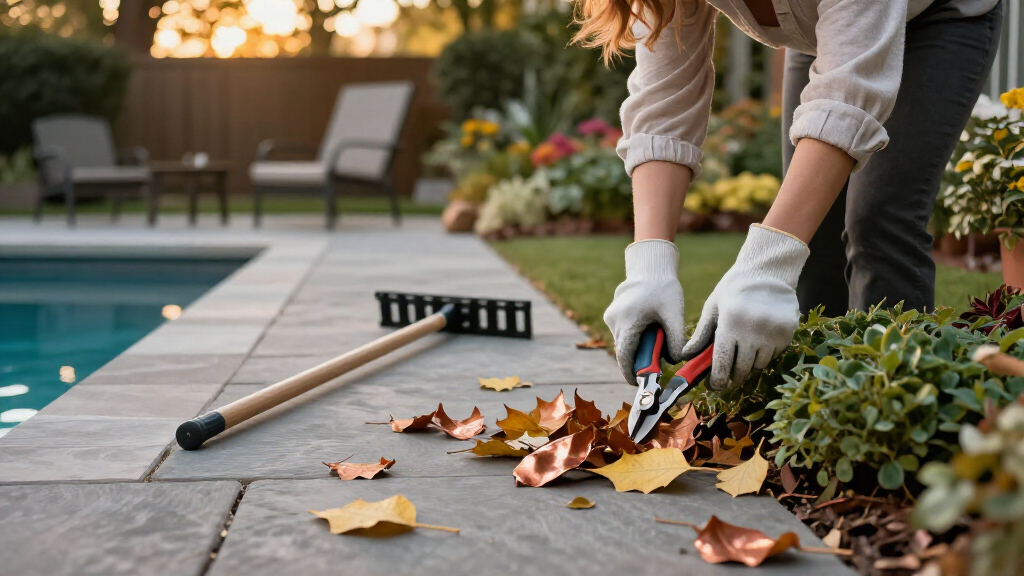
The guide says to look for cool, damp and undisturbed hiding places, then clear clutter, trim vegetation and remove fallen leaves from areas people regularly use. It suggests relocating firewood stacks or compost piles farther from the home where practical. For areas gardeners want to leave as wildlife habitat, the report says shelter can remain in unused parts of a yard. It also cautions readers to use tools rather than their hands when clearing possible snake cover.
Other recommendations are to keep grass short, trim lower shrub branches to expose the ground, and use fine compost rather than bark or straw mulch. The guide also advises limiting rodents and insects that may attract snakes, including by reducing spilled birdseed, and sealing gaps in sheds, outbuildings and homes. These are the article’s recommendations, not independently tested results presented in the source.
The report describes October as a period when falling temperatures can prompt snakes to seek winter shelter, while hunger may also lead them to forage. It says snakes may return to or breed in sheltering areas, but provides no cited study or local data to quantify how often this happens. Snake behavior varies by species, region and weather, so readers should not treat the timing as a universal rule.
Reducing Cover Around Busy Garden Areas
The checklist matters to homeowners who want to lower the chance of encountering a snake around patios, paths, sheds or other well-used parts of a yard. Removing convenient shelter and food can also reduce conditions that attract rodents and other pests. The approach is about managing a garden’s appeal and access, not eliminating snakes from the local environment.
The source notes that many snakes are nonvenomous and can eat rodents, slugs and insects. That makes the distinction between discouraging snakes from high-use areas and trying to remove all wildlife relevant: gardeners may choose to keep less-used habitat while taking precautions near homes and walkways. The article offers general advice, not a substitute for local wildlife guidance or professional help with a snake inside a building.
Products Worth Considering

EGO Power+ Cordless Electric Leaf Blower, 765 CFM, with Battery (LB7654)

Greenworks 48V Brushless 3-in-1 Leaf Blower, Vacuum, and Mulcher with Two 4.0Ah Batteries

Greenworks 40V Cordless Leaf Blower/Vacuum with 5.0 Ah Battery and Charger
As an affiliate, we earn on qualifying purchases.
Why the Guide Focuses on October
According to Gardening Know How, snakes may begin looking for frost-free places to overwinter as fall temperatures drop to around 60°F. The guide calls this period brumation, a winter slowdown that is similar to hibernation but not as deep. The temperature reference is presented as general guidance; the report does not explain how it varies by species or location.
The source’s advice is seasonal: tidy and inspect areas before they become winter shelter, and address gaps while snakes are active. Its headline calls October the “very best” time, but the article supplies no comparison with other months. That superlative should be understood as the publisher’s framing, rather than a demonstrated scientific finding.
““October is the very best time of the year to make your yard inhospitable to snakes.””
— Gardening Know How
Limits of the October Advice
The source does not identify the studies behind its “proven” wording, provide measured results for the eight steps, or compare October with other months. It also does not specify which snake species or regions its timing guidance applies to. Whether the recommendations reduce snake encounters will depend on local species, weather, habitat and the conditions of each property.
The article’s statements about snakes seeking winter shelter and breeding near brumation sites are presented as general guidance, without local figures or citations in the supplied report. Its claim that many U.S. native snakes are nonvenomous is not broken down by region. Readers should consult local wildlife or public-health authorities for species-specific advice, particularly if they find a snake indoors or cannot identify it.
Practical Steps for Gardeners
Gardeners following the report can start by inspecting the areas they use most, clearing clutter with tools, and trimming grass and low branches where appropriate. They can check for gaps around sheds and other structures, and reduce spilled birdseed that may attract rodents. Changes should be made cautiously; the guide specifically warns against reaching by hand into concealed spaces.
The source does not announce a follow-up study or formal evaluation of the advice. Its recommendations remain general seasonal guidance, so readers should check local wildlife agency information for relevant snake species and safety practices. If a snake is encountered, avoid handling it and seek local professional guidance when needed.
Key Questions
Why does the guide recommend October?
Gardening Know How says snakes may seek sheltered, frost-free places as temperatures fall in autumn. It presents October as a useful time to reduce shelter and food sources, but does not cite evidence comparing October with other months.
What are the main steps in the garden checklist?
The report recommends clearing clutter, mowing grass short, pruning lower shrub branches, choosing fine compost mulch, reducing food sources such as spilled birdseed, and sealing gaps in sheds and homes. It also advises identifying hiding spots and taking care when clearing them.
Does this advice guarantee snakes will leave?
No. The steps are presented as ways to make parts of a garden less attractive, not as a guarantee. Results may depend on local species, weather and the yard’s conditions.
Should I handle a snake while clearing my garden?
No. The source says to use tools rather than hands when clearing possible cover and warns that ordinary gardening gloves may not prevent a bite. Avoid handling snakes and seek local wildlife guidance if one is found in a building or poses an immediate concern.
Source: rss