
TL;DR

Get pool and patio gear delivered free — and shop member deals
- Fast, free delivery on millions of items
- Access to Prime Big Deal Days deals on October 6–7
- Prime Video, Amazon Music and more included
Bangkok is implementing a plan to become a green city by 2030, emphasizing accessible parks within 15 minutes’ walk across districts. This initiative aims to improve urban livability and environmental sustainability, though details remain preliminary.
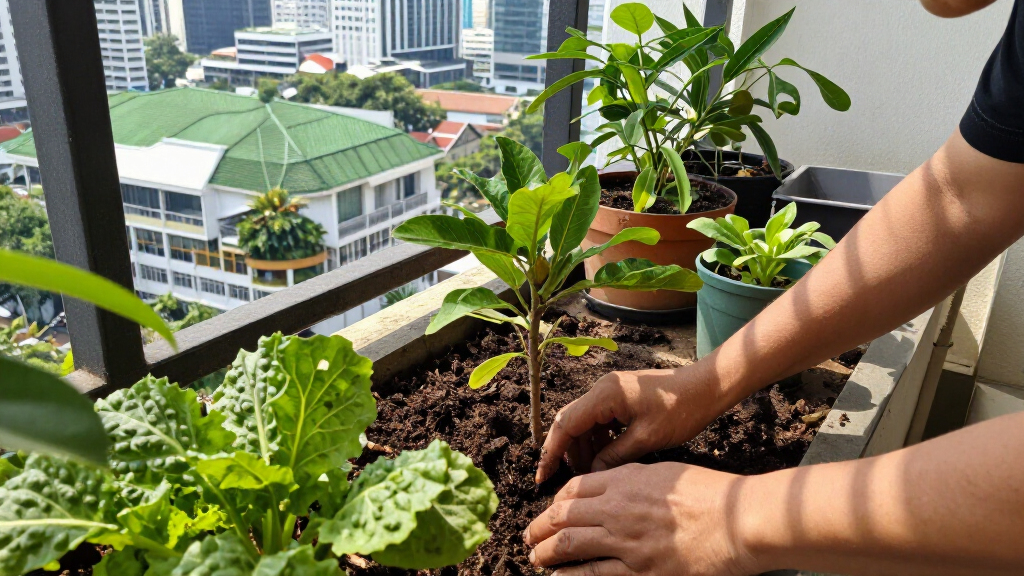
The Bangkok Metropolitan Administration (BMA) has unveiled a plan to transform the city into a green metropolis by 2030, emphasizing the development of accessible parks within a 15-minute walk for residents. This initiative aims to enhance urban livability, address environmental concerns, and promote sustainable city growth, according to reports from Salika.co. While the plan is still in its early stages, it marks a significant shift toward greener urban development.
The ‘Green Bangkok 2030’ initiative focuses on creating a network of parks and green spaces that are evenly distributed across all districts, ensuring residents can access nature within a 15-minute walk. This approach aligns with the ‘สวน 15 นาที’ concept, which has gained popularity as a strategy to improve quality of life in dense urban areas. The BMA has indicated that the plan will involve converting underused land, developing new parks, and integrating greenery into existing urban infrastructure.
According to officials, the goal is to increase Bangkok’s green cover from its current level, which is relatively low compared to other major Asian cities. The plan also emphasizes environmental sustainability, including initiatives for urban cooling, stormwater management, and promoting biodiversity. The government has signaled that funding and partnerships with private sector stakeholders will be key to implementing this vision, though specific budget allocations have not yet been disclosed.
While the concept has received positive reactions from environmental groups and urban planners, some critics have raised concerns about the feasibility of rapid implementation, potential displacement issues, and the need for comprehensive urban planning to avoid creating uneven green distribution. The official timeline aims for phased development over the next seven years, with pilot projects starting as early as 2024.
Implications for Urban Livability and Sustainability
This plan is significant because it represents a strategic shift toward making Bangkok more livable and environmentally resilient amid rapid urbanization. By prioritizing accessible green spaces, the city aims to reduce heat islands, improve air quality, and foster healthier communities. If successful, the initiative could serve as a model for other densely populated Asian cities seeking sustainable urban development.
Moreover, the plan aligns with global trends toward greener cities and climate resilience, potentially attracting eco-conscious residents and investors. However, the success of the project will depend on effective implementation, funding, and community engagement. The initiative could also influence Bangkok’s future policies on urban planning, transportation, and environmental management.
compact foldable picnic blanket for parks
As an affiliate, we earn on qualifying purchases.
As an affiliate, we earn on qualifying purchases.
Background on Bangkok’s Urban Green Initiatives
Bangkok has historically struggled with limited green spaces amid rapid population growth and urban sprawl. Existing parks are unevenly distributed, often concentrated in certain districts, leaving many residents with limited access to nature. Over the past decade, there has been increasing public and governmental interest in enhancing urban greenery as a way to combat heat, pollution, and quality-of-life issues.
The ‘สวน 15 นาที’ concept, inspired by global urban planning models like the ’15-minute city,’ has gained traction in recent years, emphasizing walkable access to amenities and parks. Prior efforts have included small-scale park developments and green infrastructure projects, but comprehensive city-wide strategies have been limited. The new plan signals a more ambitious approach, with a clear target for 2030.
While official details remain scarce, the initiative is part of broader sustainability goals announced by the BMA and aligns with Thailand’s national commitments to climate action and urban resilience. The plan’s success will depend on coordination among multiple agencies and stakeholders, as well as public support.
Unconfirmed Details and Implementation Challenges
Specific funding sources, detailed timelines, and the scope of land conversion remain unconfirmed. It is also unclear how the city will balance development pressures with green space preservation, or how community concerns will be addressed. The feasibility of rapidly creating a comprehensive network of accessible parks across all districts is still under discussion, and pilot projects are only in the planning phase.
Next Steps for Policy Development and Community Engagement
Official announcements from the BMA are expected in the coming months, including detailed urban planning strategies, budget allocations, and stakeholder involvement. Pilot projects may commence as early as 2024, providing models for wider implementation. Community consultations and environmental impact assessments will likely play a crucial role in shaping the final plan.
Key Questions
What is the ‘สวน 15 นาที’ concept?
The ‘สวน 15 นาที’ concept aims to ensure residents can access a park or green space within a 15-minute walk from their home, promoting walkability and urban greenery.
How will Bangkok fund this green transformation?
Funding details are not yet confirmed, but officials have indicated that a combination of government budgets, private partnerships, and possibly international grants will support the initiative.
Will existing parks be expanded or new ones created?
The plan includes both expanding existing green spaces and developing new parks, especially in underserved districts, to achieve even distribution across the city.
What challenges does the plan face?
Challenges include land acquisition, funding, urban development pressures, and ensuring community support for green space projects amid competing priorities.
When will residents start seeing results?
While initial pilot projects may begin in 2024, full implementation is targeted for 2030, with gradual development over the next several years.
Source: local
Fall Picks
fall essentials
As an affiliate, we earn on qualifying purchases.