
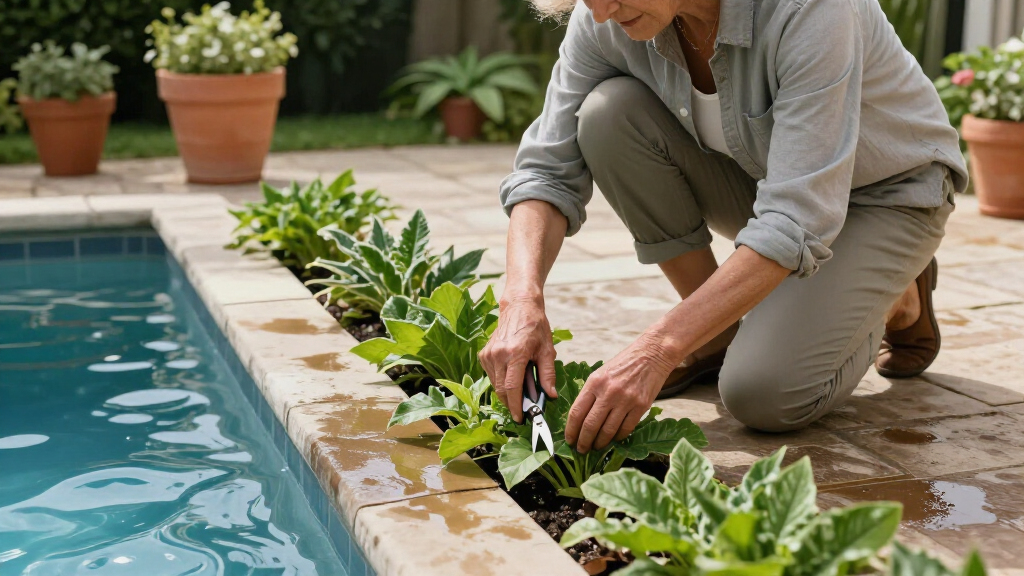

TL;DR

Get pool and patio gear delivered free with Prime
- Fast, free delivery on millions of items
- Prime Video, Amazon Music and more included
- Member-only deals all year
A Gardening Know How article says a professional gardener with more than 20 years of experience begins his October garden routine by cleaning and checking his tools, then sharpening and lubricating them as needed. The advice is the contributor’s account of her husband’s practice, not a universal rule, and the source does not specify a publication date.
A Gardening Know How contributor says her husband, a professional gardener with more than 20 years of experience, begins his October garden work by cleaning and inspecting his tools, then sharpening blades where needed. The account challenges the impulse to start autumn by clearing every leaf or cutting back plants, arguing that tool maintenance can prepare gardeners for work later in the season.
The writer says her husband first removes dirt, dried plant material and sap from garden tools. He washes especially dirty tools and dries them thoroughly before checking blades for dullness, rust or damage, and checking that fittings are secure and moving parts work properly. He sharpens tools when required and lightly lubricates metal parts, particularly if they will be stored.
The article presents those steps as the gardener’s personal routine and recommendation. Its practical rationale is that clean, functional tools are less likely to be rusty or blunt when needed for pruning, cutting back and other seasonal jobs. The source does not provide a product test, measured results or a claim that every gardener should follow the same schedule.
The contributor also explains why her husband does not begin by making the garden look completely tidy. He leaves some leaf litter in place because it can shelter overwintering insects and other wildlife and eventually add organic matter to soil. Some perennials may also remain standing: the article says their seedheads can feed birds, while hollow stems can shelter insects and the plants can provide structure through winter.
Why Tool Care Comes First
The advice offers a manageable starting point for gardeners facing a long list of October tasks. Rather than trying to tidy the entire garden at once, the routine focuses on equipment that will be used for maintenance in the coming weeks and months. Checking for loose parts, rust and dull blades can alert a gardener to tools that need attention before a job depends on them.
The article also pushes back against treating a neat, leaf-free garden as the only sign of good autumn care. Leaving some leaves and standing plants can support wildlife, according to the source, while still allowing gardeners to remove material where needed. What makes sense depends on the plants, local conditions and the gardener’s aims; the piece does not offer region-specific instructions.
Products Worth Considering

EGO POWER+ 21 Cordless Electric Lawn Mower Kit, Self-Propelled
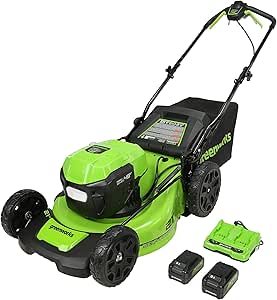
Greenworks 48V (24V x 2) 21-inch Self-Propelled Lawn Mower, Battery Kit

Rachio 3 Smart Sprinkler Controller (16-Zone)
As an affiliate, we earn on qualifying purchases.
An Alternative to Autumn Cleanup
The report is a first-person gardening advice article, not an announcement of new research or a formal industry guideline. Its central detail is the writer’s observation that her husband’s October routine starts with tool care, despite the more visible seasonal jobs of raking leaves and cutting back perennials.
The source frames the routine as preparation for winter storage and future garden work. It also cautions against assuming every leaf or perennial must be cleared immediately, describing possible benefits for wildlife and soil. The piece notes that other October jobs—including planting bulbs and protecting tender plants—vary with a garden’s climate and conditions.
“He cleans his garden tools, and then he sharpens them.”
— The Gardening Know How contributor, describing her husband’s routine
Limits of the Gardening Advice
The supplied report does not identify the contributor or her husband by name, give the article’s publication date, or say where the garden is located. It also does not specify tool-cleaning products, sharpening techniques, or how often tools should be maintained. The advice is an account of one professional gardener’s practice, not evidence from a comparative study.
How much leaf litter or plant material to leave will depend on the garden and local conditions. The source describes potential benefits for wildlife and soil but does not give a rule for every plant, pest concern or climate. It is also unclear whether the husband uses this exact sequence every year or adjusts it for particular tools and seasonal demands.
Preparing Tools for Winter Work
The article describes no scheduled follow-up or formal next milestone. Its practical sequence is to clean and dry tools, inspect blades and fittings, sharpen when needed, and protect metal parts before storage. Gardeners can then move on to other seasonal tasks according to their own plants and conditions.
The source’s broader point is to avoid treating October as a single large cleanup project. Some leaves and perennials may be left in place, while other jobs—such as protecting tender plants or planting bulbs—may be appropriate depending on the local climate. The report does not provide a region-specific calendar, so readers would need to adapt those tasks to their own gardens.
Key Questions
What does the gardener do first in October?
According to the Gardening Know How contributor, he cleans and inspects his garden tools, then sharpens blades if needed and lubricates metal parts before storage.
What does cleaning the tools involve?
The article says to remove dirt, dried plant material and sap; wash tools that are especially dirty; and dry them thoroughly. It then recommends checking blades, fittings and moving parts.
Should every leaf be raked away in October?
The article’s gardener does not aim to clear every leaf. It says leaf litter can offer shelter to overwintering wildlife and eventually add organic matter to soil. The source does not say this is suitable for every garden or situation.
Does the source say to cut back all perennials?
No. It says some perennials can remain standing through winter, particularly those with seedheads or hollow stems. The article presents those as possible food and shelter for wildlife and as structure for the winter garden.
Source: rss