

TL;DR

Get pool and patio gear delivered free with Prime
- Fast, free delivery on millions of items
- Prime Video, Amazon Music and more included
- Member-only deals all year
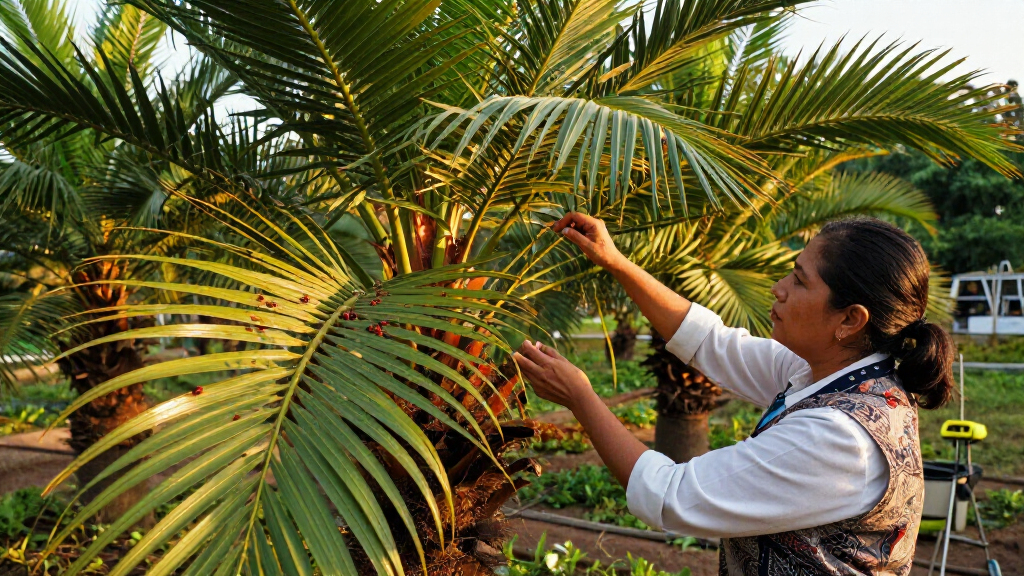
Authorities in Buenos Aires are maintaining preventive monitoring at nurseries to detect the Red Palm Weevil. No outbreaks have been confirmed, but vigilance remains high. The effort aims to prevent widespread damage to local palm populations.
Preventive monitoring for the Red Palm Weevil continues at nurseries across Buenos Aires, with authorities reporting no confirmed cases of infestation so far. This ongoing effort aims to safeguard local palm populations from potential damage caused by this invasive pest.
According to official sources from Argentina.gob.ar, authorities in Buenos Aires have intensified surveillance measures at multiple nurseries to detect early signs of Red Palm Weevil presence. These measures include regular inspections, trapping, and monitoring of palm trees, which are the primary hosts for the pest.
While no confirmed infestations have been reported, officials emphasize that the pest remains a significant threat due to its capacity to cause extensive damage to palm trees, which are valued both economically and aesthetically in the region. The monitoring process is part of a broader regional strategy to prevent the pest’s spread from neighboring areas where outbreaks have been suspected or reported.
Local nursery operators have been cooperating with authorities, with some implementing additional preventive measures such as chemical treatments and physical barriers to protect their stock. The Argentine government has also issued guidelines for early detection and reporting of suspected cases, emphasizing the importance of rapid response to prevent establishment of the pest.
Implications of Ongoing Monitoring for Local Palm Ecosystems
The continued preventive monitoring in Buenos Aires is crucial for avoiding the establishment of Red Palm Weevil populations in the region. If unchecked, the pest can cause widespread destruction of palm trees, affecting urban landscapes, commercial plantations, and biodiversity. Early detection and swift response are key to preventing large-scale outbreaks, which could lead to significant economic losses and ecological impacts.
Moreover, maintaining strict surveillance helps protect the region’s horticultural industry and preserves the aesthetic and environmental value of palms in Buenos Aires. The effort also demonstrates regional commitment to biosecurity measures against invasive pests.
Products Worth Considering

EGO POWER+ 21 Cordless Electric Lawn Mower Kit, Self-Propelled

Husqvarna Power Axe 350i 18-Inch Cordless Chainsaw Kit

Greenworks 48V (24V x 2) 21-inch Self-Propelled Lawn Mower, Battery Kit
As an affiliate, we earn on qualifying purchases.
Background and Regional Pest Control Efforts
The Red Palm Weevil (Rhynchophorus ferrugineus) is an invasive pest native to South and Southeast Asia, now spreading across parts of the Middle East, North Africa, and Europe. It has been detected in neighboring countries, raising concerns about its potential entry into Argentina. The pest is known for its destructive larval stage, which burrows into palm trunks, causing structural damage and eventually death.
In recent years, regional authorities have increased surveillance efforts to monitor for early signs of infestation, especially at nurseries and urban landscapes where palms are cultivated. The current focus in Buenos Aires is part of a broader national strategy to prevent the pest’s establishment, which includes public awareness campaigns and strict quarantine measures.
While no confirmed cases have been reported in Argentina, the pest’s presence in nearby regions keeps the threat imminent, prompting continued vigilance and preventive actions.
Unconfirmed Reports and Future Threat Levels
It is not yet clear whether the pest has entered Buenos Aires or neighboring regions. While no cases have been confirmed, the possibility of undetected early infestations remains, and surveillance continues to be a priority. The effectiveness of ongoing measures in preventing establishment is still being evaluated, and regional pest movements are difficult to predict.
Next Steps in Pest Surveillance and Response
Authorities plan to continue and possibly expand monitoring efforts, including increased inspections and public awareness campaigns. They also intend to review and update response protocols based on surveillance results. The region will likely remain vigilant for the coming months, with regular reporting on any suspected or confirmed cases.
Key Questions
Has the Red Palm Weevil been confirmed in Buenos Aires?
No, there have been no confirmed cases reported in Buenos Aires so far, but preventive monitoring is ongoing as a precaution.
What measures are being taken to prevent the pest’s spread?
Authorities are conducting regular inspections, using traps, and providing guidelines for early detection and reporting. Nurseries are also implementing chemical and physical preventive measures.
Why is this monitoring important?
Preventive monitoring helps detect early signs of infestation, which is critical for avoiding widespread damage to palms and protecting the local horticultural industry and urban landscapes.
Could the pest still enter the region undetected?
Yes, it remains a possibility, which is why ongoing surveillance and strict quarantine measures are essential to prevent establishment.
What should nursery operators do if they suspect an infestation?
They should immediately report their suspicions to local authorities and follow recommended protocols for inspection and treatment.
Source: local