
TL;DR

Get pool and patio gear delivered free with Prime
- Fast, free delivery on millions of items
- Prime Video, Amazon Music and more included
- Member-only deals all year
A Homes & Gardens report recommends prioritizing lawns when clearing fallen leaves, rather than removing every leaf from the yard. Turf experts quoted in the report say thick leaf cover can block light and air, trap moisture and contribute to damaged grass; finely mulched leaves and leaves in beds can be left to break down.
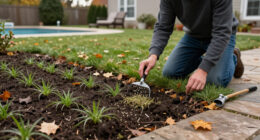
A Homes & Gardens report advises homeowners to clear thick piles of fallen leaves from lawns, where they can block light and airflow and leave damaged or bare patches by spring. The report distinguishes lawn care from clearing the entire yard: leaves in beds and natural areas may be left to break down, while a thin layer finely chopped by a mower can return nutrients to the soil.
The report’s author describes leaving leaves in a corner of a lawn beneath an overhanging tree and finding bare soil the following spring, after the grass had died. That is a personal account, not a controlled test, but it illustrates the larger maintenance problem the article highlights: damaged patches may need repair after winter rather than routine leaf removal in fall.
Brian Feldman of TruGreen says a light layer can be beneficial if mulched finely, but thick piles should not remain on turf. He says heavy leaf coverage can smother grass, restrict light and air, and contribute to matting and disease. Hillary Thompson of Super-Sod says leaves can hold moisture over the lawn, creating conditions in which lawn diseases may thrive.
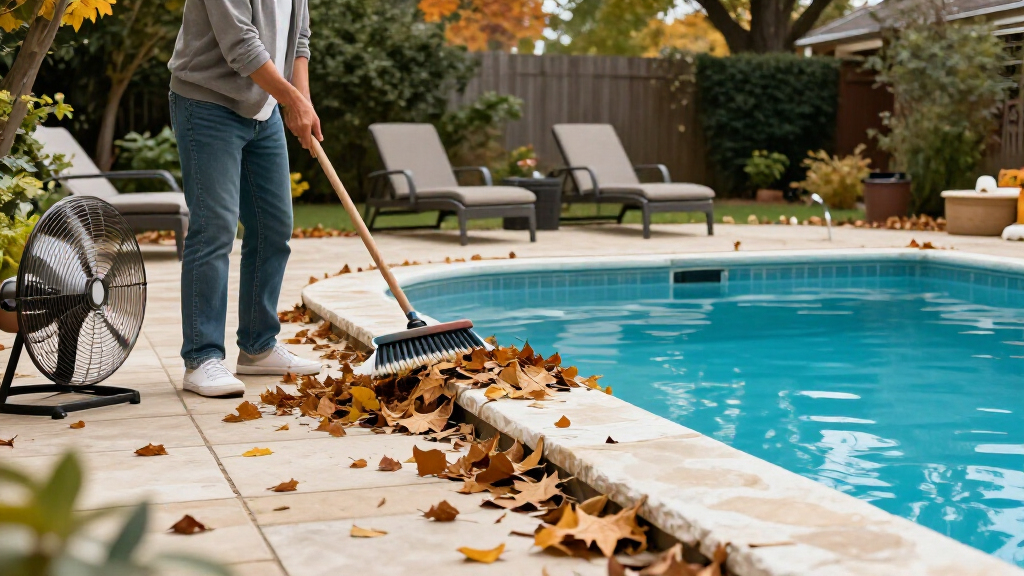
For removal, Feldman recommends mowing leaves into small pieces, roughly dime-sized, so they can return nutrients to the soil. Raking or blowing leaves off the turf are other options. Thompson advises moving them into beds or natural areas on the property, where they can decompose; the report says that approach can also reduce yard waste and retain organic matter on site.
Protecting Turf Before Winter
The advice gives homeowners a target for fall cleanup without requiring them to remove every leaf from their property. Thick cover on grass can turn a seasonal chore into spring lawn repair, while keeping leaves in planting beds or natural areas allows them to decompose there.
The distinction matters because the same leaves can have different effects depending on where they land and how they are handled. The experts cited do not recommend stripping the yard bare: they distinguish between unbroken piles on turf and finely chopped leaves or leaf cover in beds. That can help readers balance lawn maintenance with keeping organic material on the property.
As an affiliate, we earn on qualifying purchases.
Leaves on Turf and in Beds
The Homes & Gardens report is a seasonal gardening advice piece, not a new scientific study or a report of a policy change. Its guidance is based on the experiences of the article’s author and comments from two gardening and lawn-care professionals. Feldman is identified as a turfgrass agronomist at TruGreen; Thompson works with Super-Sod and has a horticulture background.
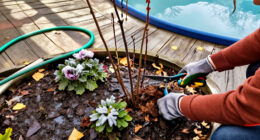
The report does not say all leaf cover is harmful. It says thin, finely mulched leaves can be useful on a lawn, whereas thick, intact piles are the concern. In beds and natural areas, leaves can decompose over time and contribute organic matter. The article describes this as a way to cycle nutrients on the property rather than remove the material as waste.
“A light layer of leaves can be beneficial when it is mulched finely, but thick piles should not be left on the lawn.”
— Brian Feldman, TruGreen
Limits of the Available Evidence
The report does not provide a study, measurements or a specified threshold for how many leaves make a lawn’s covering too thick. Its discussion of bare patches includes the author’s personal experience, while the risks are explained through expert comments. The source also does not quantify how likely disease or grass loss is under different weather, grass or leaf conditions.
It is therefore not possible from the report to determine a universal cleanup schedule or to say that every lawn will suffer damage if leaves remain. The central advice is narrower: avoid leaving thick piles on grass, and consider mowing leaves finely or relocating them to beds and natural areas.
Fall Cleanup Choices
Homeowners following the report’s advice can check lawns as leaves accumulate, especially areas beneath trees, and clear heavy piles before they remain through winter. Options cited include mowing leaves into small pieces, raking, or using a leaf blower; the report also mentions a push lawn sweeper for larger areas.
The source gives no follow-up study or scheduled update. Its practical next step is to keep leaves on the property where appropriate—such as in beds or natural areas—while preventing thick, intact cover from sitting on turf. Whether a particular lawn needs additional treatment in spring will depend on the condition of the grass after winter.
Key Questions
Where does the report recommend clearing fallen leaves?
It recommends prioritizing lawns, particularly where thick piles have accumulated. It says leaves can remain in beds or natural areas to decompose.
Do all leaves need to be removed from a lawn?
No. The report says a light layer finely mulched by a mower can be beneficial. The concern is thick, unbroken leaf cover that may smother grass or trap moisture.
What can homeowners use to clear leaves from grass?
The options described include mowing leaves into small pieces, raking, using a leaf blower, or using a push lawn sweeper on a larger area. Leaves can be moved into beds or natural areas to break down.
What does the report say may happen if thick leaves stay on a lawn?
The experts quoted say thick leaf cover can block light and air, mat down grass, and hold moisture. The article’s author also recounts finding a bare patch after leaving leaves over a lawn area through winter; the report does not quantify how often this happens.
Source: rss
Columbus Day / Indigenous Peoples' Day Picks
long weekend sales
As an affiliate, we earn on qualifying purchases.