TL;DR

Get pool and patio gear delivered free with Prime
- Fast, free delivery on millions of items
- Prime Video, Amazon Music and more included
- Member-only deals all year
Homes & Gardens published a shopping guide featuring 16 wildlife cameras for observing animals in gardens. The options described include cameras built into bird feeders and nest boxes, as well as general-purpose models, but the source does not provide independent testing results or evidence that any particular camera is best.
Homes & Gardens has published a guide to 16 wildlife cameras for recording animals in gardens, including smart bird feeders, a camera-equipped owl nest box and general-purpose models. The report presents the devices as ways to observe visitors people may not otherwise see and, in some cases, identify animals damaging crops; it is a product guide, not a report of new research or a verified product test.
The article describes several camera formats for different uses. Smart bird feeders incorporate cameras to capture close views of visiting birds, while purpose-built smart hummingbird feeders are aimed at people who regularly see hummingbirds. A camera-equipped owl nest box is presented as an option for observing birds using a nesting or shelter space.
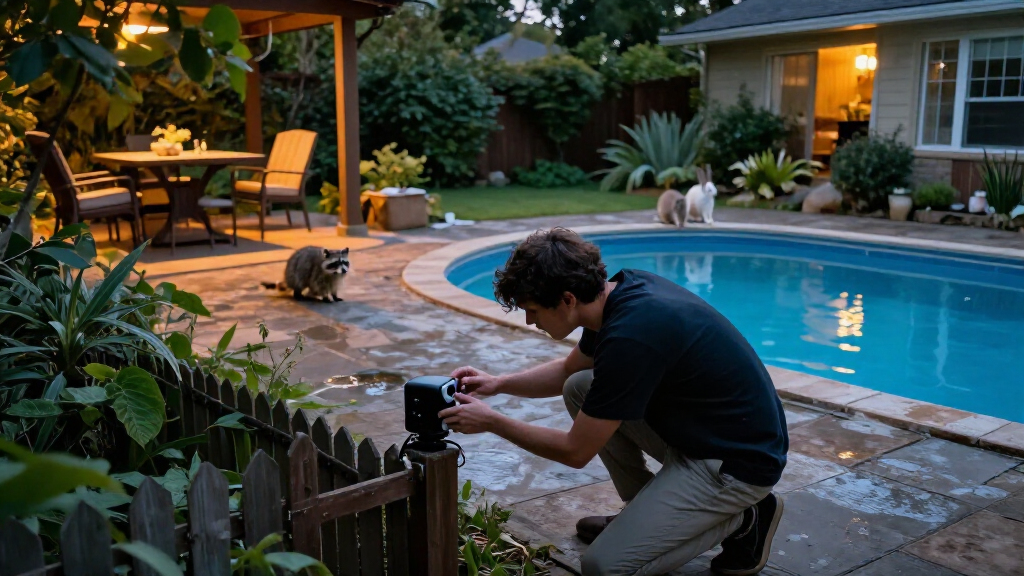
For wider garden monitoring, the source points to general-purpose wildlife cameras, including models that can be attached to a pole or post. It says some have night vision to record activity after dark, and that smaller cameras can be placed to monitor particular areas. The article suggests this could help gardeners identify animals such as deer, rabbits and rodents that may be affecting plantings.
The guide says footage can inform garden choices, such as which food to provide, which native plants to grow and what shelters to create. It also mentions brush piles as a shelter that can benefit birds, mammals and insects, particularly when set up in fall. These are recommendations in the source; it does not report measured effects on wildlife or garden damage.
How Camera Footage Can Guide Garden Choices
Gardeners may not know which animals visit when people are absent or after dark. Recorded footage can help identify visitors before a homeowner decides how to respond to feeding, digging or damage to crops. That information may also help people tailor habitat choices to the species actually using their yard, rather than relying on guesswork.
The article also frames cameras as a way to watch wildlife without remaining nearby. That can make observation more accessible, though the supplied report does not evaluate whether particular cameras disturb animals, how well they perform, or whether a specific intervention improves wildlife outcomes. Its practical value is therefore in describing available product types and possible uses, not establishing their effectiveness.
Products Worth Considering

Rachio 3 Smart Bundle: 16 Zone Smart Sprinkler Controller & Weatherproof Outdoor Enclosure

Rachio 3 Smart Sprinkler Controller (16-Zone)

Yardenaler 6 x 10 ft Wooden Walk-In Greenhouse with 6 mm Polycarbonate Panels
As an affiliate, we earn on qualifying purchases.
A Range of Camera Designs
The report distinguishes cameras integrated into a specific feature, such as a feeder or nest box, from standalone units that can be positioned around a yard. A feeder camera is designed to record birds at a predictable feeding point; a general wildlife camera can instead be aimed at a garden boundary, planting bed or other area of interest. Device choice depends on the intended subject and location, according to the article.
Homes & Gardens also presents the products as serving more than one purpose: wildlife observation and, potentially, garden security. The source gives the example of using footage to find out which animal is eating crops. It does not provide prices, detailed technical specifications, independent comparisons or a complete explanation of how the 16 products were selected.
““wildlife cameras have more use than one in the garden.””
— Homes & Gardens
Product Testing and Camera Effects
The supplied source does not state when the guide was published, provide a methodology for choosing the 16 products, or present independent testing data. It also does not give enough detail to compare image quality, detection range, battery life, storage costs, connectivity or weather resistance across the devices. No product ranking or performance result can be confirmed from the material provided.
It remains unclear how the cameras might affect particular animals in different settings, and the article offers no measured evidence about whether the suggested garden changes improve wildlife outcomes or prevent crop damage. Readers should treat product descriptions and proposed uses as information from the guide, not as independently verified findings.
Check Specifications Before Choosing
The source does not announce a follow-up study, testing program or future update. Anyone considering a camera can compare the device’s intended use with its published specifications, including night recording, mounting options, power and data storage. Check current product details and availability with retailers, since the guide’s examples and listings may change.
For garden decisions, camera footage can offer a record of which animals appear, but it does not by itself establish why they visit or what intervention is appropriate. The next step described by the article is to use observations to guide choices such as native planting, food and shelter, while recognizing that the source does not assess the results of those choices.
Key Questions
What did Homes & Gardens publish?
It published a guide featuring 16 wildlife cameras for observing animals in gardens, including feeder-integrated devices, a camera-equipped owl box and general-purpose cameras.
Can a wildlife camera help identify animals damaging plants?
The article says a camera may show which animal is eating crops or disturbing plantings. The source does not report a controlled test of how accurately the listed products identify garden visitors.
What kinds of cameras are covered?
The guide discusses smart bird feeders, a smart hummingbird feeder, an owl nest box with a camera, and standalone cameras, some described as having night vision or pole-mounting options.
Does the report name a best-performing camera?
The supplied material does not provide independent test results or establish a best-performing model. It describes product types and potential uses rather than confirming comparative performance.
How does the article suggest using the footage?
It says observations could help gardeners decide what food to provide, which native plants to grow and what wildlife shelters to create. These are recommendations in the guide, not measured outcomes.
Source: rss