

As a pool owner, learning CPR is vital because it enables you to act quickly if someone is drowning or stops breathing. Immediate chest compressions and rescue breaths can prevent brain damage and save lives while waiting for emergency responders. Being prepared with lifesaving skills boosts your confidence and guarantees you’re ready to handle emergencies effectively. Keep going to discover essential tips that can help you protect your loved ones and others at your pool.
Key Takeaways
- Learning CPR enables quick response during a drowning incident, significantly increasing the chances of saving a life.
- Certified CPR skills ensure effective rescue efforts, reducing the risk of brain damage or death.
- Being trained boosts confidence to act calmly and correctly in emergency situations.
- CPR knowledge helps create a safer pool environment for family and guests.
- Regular CPR training keeps skills current and enhances overall emergency preparedness.

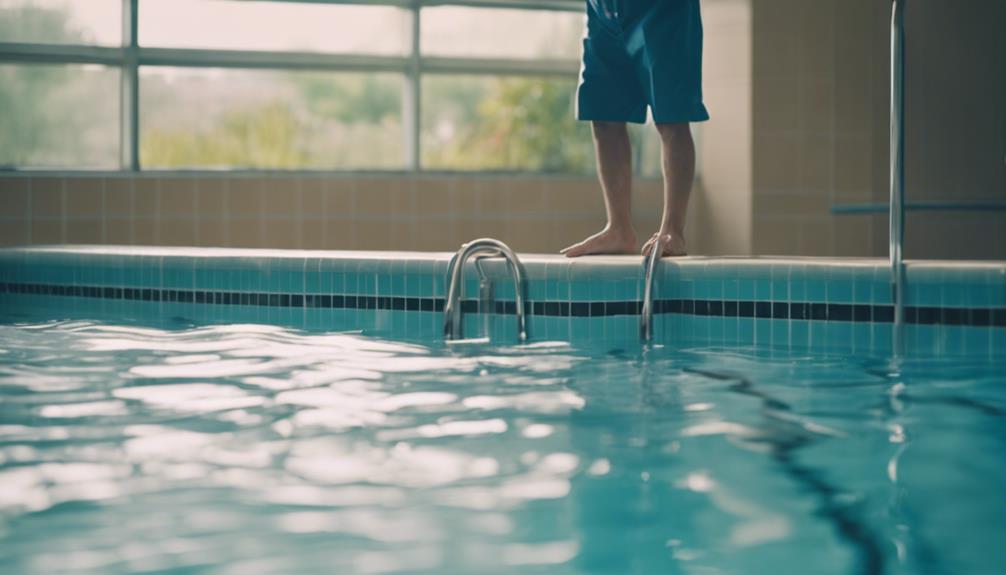
Have you ever wondered what to do if someone starts drowning in your pool? It’s a frightening thought, but being prepared can make all the difference. As a pool owner, ensuring pool safety isn’t just about maintaining cleanliness or keeping kids away from the deep end—it’s about knowing how to respond quickly and effectively in an emergency. Learning CPR is a critical part of emergency preparedness that can save lives. When a swimmer is in distress, every second counts, and your ability to act swiftly can determine the outcome.
Being prepared with CPR can make all the difference in a drowning emergency.
Understanding basic CPR allows you to provide essential help immediately, especially when professional responders might take precious minutes to arrive. In a drowning scenario, the victim often isn’t breathing or has no pulse, making immediate chest compressions and rescue breaths necessary. By mastering CPR, you guarantee you’re ready to step in confidently, reducing the risk of brain damage or death. This skill becomes even more indispensable because many pool accidents happen unexpectedly, and during those moments, your quick action is the only thing standing between life and tragedy.
Pool safety extends beyond barriers and alarms—it includes being mentally prepared for emergencies. Knowing CPR boosts your confidence, helping you stay calm and focused under pressure. It also underscores the importance of having emergency preparedness plans in place. For example, having a phone nearby to call emergency services, keeping rescue equipment within reach, and ensuring everyone in your household knows how to respond can greatly improve safety outcomes. Regularly practicing rescue drills with family members helps reinforce these responses, making sure everyone knows their role if the worst happens.
Learning CPR isn’t just about individual preparedness; it’s about creating a safer environment for everyone who uses your pool. It shows a commitment to safety that can prevent tragedy and provide peace of mind. As a responsible pool owner, you should consider taking certified CPR and first aid courses. These classes teach you how to perform life-saving techniques correctly and confidently, and they often include practical demonstrations and hands-on practice. The more familiar you are with emergency procedures, the better equipped you’ll be to respond effectively, should the need arise.
Ultimately, becoming trained in CPR is an investment in safety that pays off when it matters most. It’s about being proactive, prepared, and capable of acting decisively in a crisis. When you understand the importance of pool safety and emergency preparedness, you’re not just protecting others—you’re also empowering yourself to handle a potentially life-threatening situation. That knowledge can mean the difference between tragedy and rescue, making it an essential skill every pool owner should have. Additionally, staying informed about Frictional unemployment can help you understand economic shifts that might impact your community or industry, reinforcing the importance of being prepared for unforeseen circumstances.
CPR training kit for pool safety
As an affiliate, we earn on qualifying purchases.
As an affiliate, we earn on qualifying purchases.
Frequently Asked Questions
Can CPR Be Performed Underwater?
You can’t perform traditional CPR underwater, as it involves chest compressions and rescue breaths that require the person to be out of the water. Underwater resuscitation isn’t practical, so you should focus on safe retrieval and then perform CPR on land. Learning breath hold techniques can help you hold your breath if needed, but for effective lifesaving, get the person out of the water first, then administer CPR promptly.
How Often Should Pool Owners Update Their CPR Skills?
Like a well-tuned instrument, your skills need regular practice to stay sharp. You should update your CPR skills with a refresher course every one to two years to maintain skill retention. This guarantees you’re prepared for emergencies and can act confidently. Consistent CPR refreshers keep your response quick and effective, making a real difference during critical moments. Stay proactive—regular training is the key to being a confident and capable lifesaver.
What Equipment Is Needed to Perform Effective CPR?
To perform effective CPR, you’ll need essential rescue equipment and safety gear like a barrier mask to prevent infections, gloves for hygiene, and a CPR face shield. Having a defibrillator nearby is also vital if available. Make sure your equipment is easily accessible, well-maintained, and ready to use in emergencies. Properly trained in using this gear, you can confidently act quickly and effectively to save a life.
Are There Age-Specific CPR Techniques for Children or Seniors?
Ever wondered if you should use different CPR techniques for kids or seniors? Absolutely. Child CPR involves gentler compressions and using fewer breaths, while senior CPR might require modifications based on health conditions. Knowing these age-specific skills guarantees you give effective aid during emergencies. Are you prepared to adjust your approach? Learning child CPR and senior CPR helps you respond confidently and save lives, regardless of the age of the person in need.
How Do I Recognize When CPR Is Necessary in a Pool Emergency?
In a pool emergency, you recognize when CPR is necessary by spotting drowning signs like unresponsiveness, gasping, or a lack of breathing. If someone shows these signs, immediately initiate emergency response by calling 911 and starting CPR. Quick action can save lives, so stay alert for any signs of distress, and remember that prompt CPR keeps oxygen flowing until professional help arrives.
rescue breathing CPR mannequin
As an affiliate, we earn on qualifying purchases.
As an affiliate, we earn on qualifying purchases.
Conclusion
Learning CPR is like having a secret superpower that could save a life when seconds count. As a pool owner, you’re the first line of defense against emergencies, turning you into a lifeline in a moment’s notice. Don’t wait for a tragedy to strike—equip yourself with these lifesaving skills now. Remember, knowing CPR isn’t just a skill; it’s your safety net, catching someone when they’re at their most vulnerable.
pool emergency rescue equipment
As an affiliate, we earn on qualifying purchases.
As an affiliate, we earn on qualifying purchases.
certified CPR and first aid course online
As an affiliate, we earn on qualifying purchases.
As an affiliate, we earn on qualifying purchases.