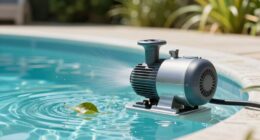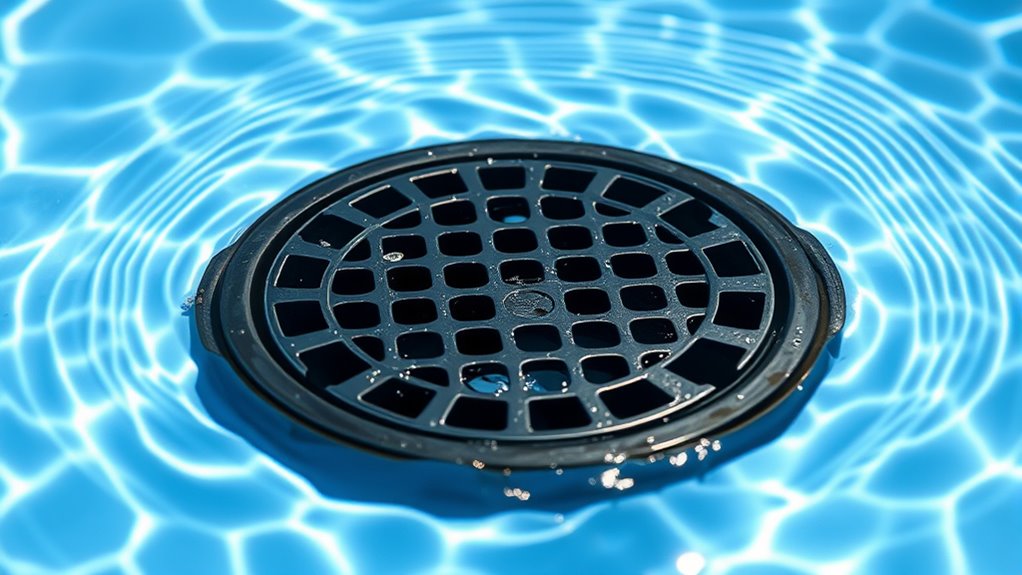

Pool drain dangers can pose serious risks if your drain covers aren’t properly maintained or fail to meet safety standards. Powerful suction can trap hair, limbs, or even entire bodies, leading to injuries or drownings. Regularly inspect and secure covers, and replace damaged or outdated ones to reduce entrapment hazards. Proper maintenance and awareness are key to keeping everyone safe—if you want to know how to prevent these dangers, continue exploring essential safety tips and standards.
Key Takeaways
- Properly installed, ANSI/ASME-approved drain covers prevent hair, limb, or body entrapment in pools.
- Regular inspections for cracks, corrosion, or damage are essential to maintain drain safety.
- Powerful pool suction can trap individuals; using compliant covers minimizes this risk.
- Neglecting maintenance or using makeshift solutions increases the likelihood of drain failure.
- Follow safety standards and manufacturer guidelines for chemical handling and drain system upkeep.
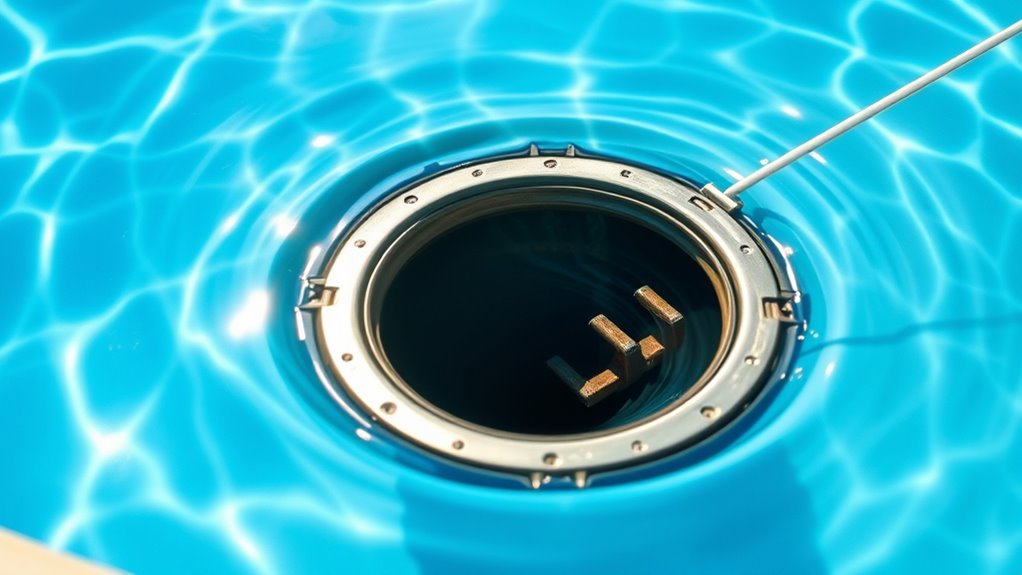
Swimming pools can be fun, but they also pose serious risks if drains are not properly maintained. One of the most dangerous hazards involves drain entrapment, which can cause severe injuries or drownings. To protect yourself and others, it’s essential to understand the potential risks and how to prevent them. The first thing to recognize is that drain covers and maintenance play a crucial role in safety. If drains aren’t up to code or are damaged, they can create powerful suction that can trap a person’s hair, limbs, or even entire bodies. This is why regular inspection and proper installation of drain covers are non-negotiable.
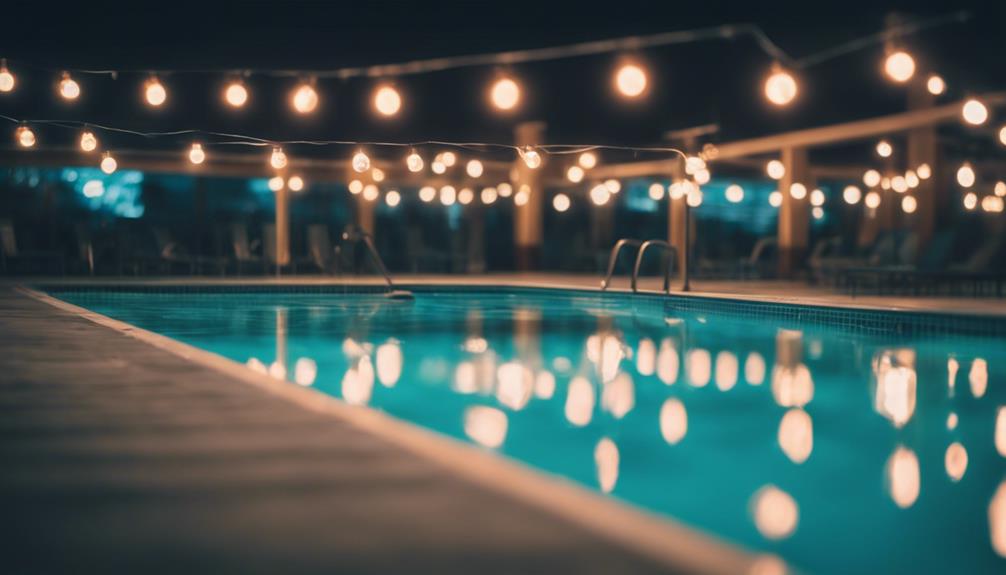
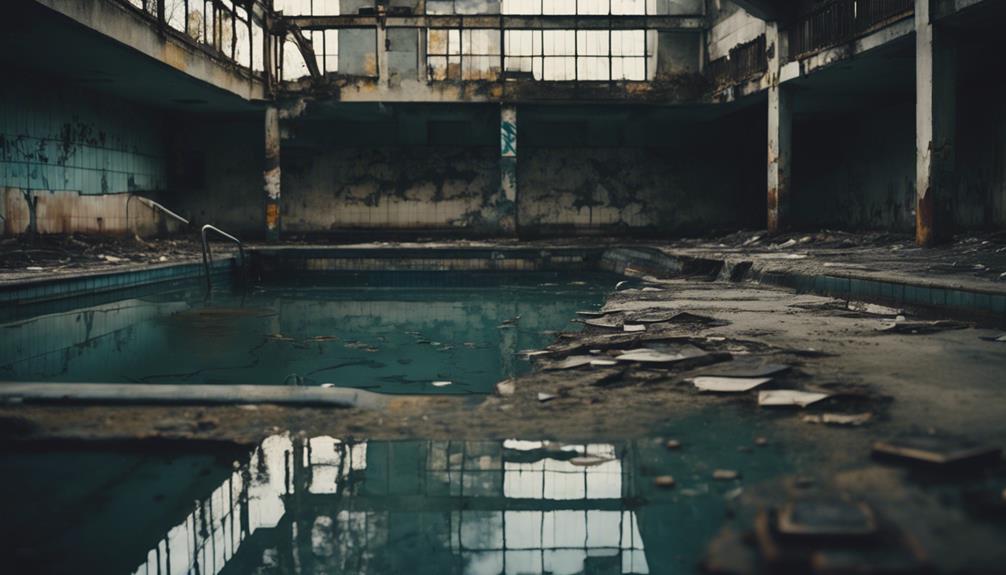
Proper drain maintenance and covers are essential to prevent dangerous entrapment in swimming pools.
Many pool owners fall prey to maintenance myths, believing that certain DIY fixes or outdated practices are sufficient. For example, some think that replacing a broken drain cover with a makeshift solution is acceptable, but this can increase the risk of entrapment. Always use covers approved by safety standards agencies, such as the ANSI/ASME A112.19.8/CSA B125.8, and ensure they are securely fastened. Proper maintenance isn’t just about replacing covers; it also involves checking for cracks, corrosion, or any signs of damage that could compromise the cover’s effectiveness. Neglecting these steps can turn a seemingly minor issue into a major safety hazard.
Chemical hazards are another concern linked to pool drain safety. When chemicals like chlorine or algaecides are improperly handled or stored, they can create dangerous fumes or reactions that compromise pool equipment, including drains. Over time, chemical buildup or corrosion can weaken drain components, making them more prone to failure. That’s why following manufacturer instructions and safety guidelines for chemical use is vital. Regular water testing and proper chemical balancing help prevent corrosion and ensure the longevity of your pool’s drainage system.
You should also be aware that many accidents happen because of a false sense of security. Just because your pool has a cover or a safety alert system doesn’t mean you can neglect routine checks. Pool drains require ongoing attention to prevent entrapment risks. Keep an eye out for signs of wear, and don’t hesitate to consult professionals for inspections if you’re unsure. Remember, the goal is to keep the pool environment safe and enjoyable for everyone. Proper maintenance, awareness of hazards, and adherence to safety standards are your best defenses against drain-related accidents. Additionally, understanding the importance of proper drain cover installation can significantly reduce the risk of entrapment incidents.

Little Giant APCP-1700 115-Volt, 1/3 HP, 1745 GPH, Automatic, Submersible, Swimming Pool Cover Pump with 25-Ft. Cord, Light Blue, 577301
APPLICATIONS: designed for automatic removal of water from pool covers, boat covers or rooftops - pump activates in...
As an affiliate, we earn on qualifying purchases.
Frequently Asked Questions
How Can I Identify if My Pool Drain Is Entrapment-Prone?
To identify if your pool drain is entrapment-prone, start with a thorough drain cover inspection, checking for cracks or missing parts. Then, perform suction outlet testing to ensure proper functionality and that no obstructions are present. If you notice any damage or irregularities during these checks, it’s best to substitute the drain cover with a safety-approved one and consult a professional to evaluate the system’s safety.
What Are the Latest Safety Standards for Pool Drain Covers?
They say safety first, and that’s especially true for pool drain covers. The latest standards, like those from the ANSI/ASME and ASTM, require strong, durable drain cover materials that resist corrosion and breakage. You should check that your pool complies with pool cover regulations, ensuring covers are securely installed and rated for safety. Staying updated helps prevent accidents, giving you peace of mind while enjoying your pool responsibly.
Are There Specific Signs Indicating a Drain Is Malfunctioning?
You should watch for visual cues like cracks, corrosion, or loose fittings on the drain cover, which could indicate malfunction. Unusual noises such as humming or banging might also signal issues with the drain system. If you notice any of these signs, avoid using the pool and have a professional inspect the drain immediately. Regular maintenance helps prevent entrapment risks and keeps your pool safe for everyone.
How Often Should Pool Drain Systems Be Inspected or Maintained?
You should perform routine inspections on your pool drain system at least once a year, but more frequent checks are recommended if your pool is used heavily or after any repairs. Establish a maintenance schedule that includes checking for signs of wear or damage, and guarantee your system complies with safety standards. Regular maintenance helps prevent malfunctions and reduces entrapment risks, keeping your pool safe and enjoyable.
Can DIY Repairs Improve Pool Drain Safety Effectively?
DIY repairs can improve pool drain safety if you follow proper DIY safety guidelines and avoid risky drain modifications. While minor fixes like replacing covers or tightening fittings are often manageable, complex drain modifications should be left to professionals. If you’re confident and cautious, your DIY efforts can help prevent entrapment risks. However, always prioritize safety, use appropriate tools, and consult experts for any significant drain system changes.
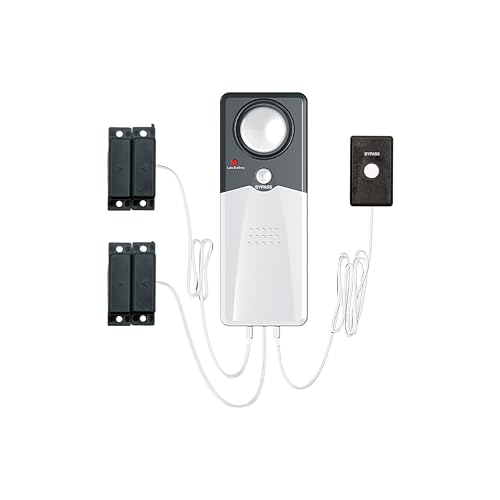
Techko S189 Ultra Slim Safe Pool Alarm for Kids, ETL Listed UL 2017 Compliant, Indoor/Outdor Weather Resistant, 110db Loud Alarm with 2X Bypass Buttons, Gray, 1Count
Pass Pool Inspections: Compliant with UL 2017 safety standards & Child Pool Safety Law
As an affiliate, we earn on qualifying purchases.
Conclusion
By understanding the dangers of pool drains, you protect yourself and loved ones from potential entrapment. Prevention isn’t just about awareness; it’s about action. Respect the power of the water, but don’t let fear stop you from enjoying your pool. Stay vigilant, install safety devices, and educate others. Because in a world where danger lurks beneath the surface, safety becomes your greatest safeguard—reminding you that awareness is your strongest defense against unseen risks.

(2025 Upgrade) Beatbot AquaSense 2 Cordless Robotic Pool Vacuum Cleaner, Smart Surface Parking, Double-Pass Waterline Scrubbing, Cleans Floor, Walls and Waterline
【Effortless Retrieval with Auto Surface Parking & One-Click App Parking】No heavy lifting! AquaSense 2 pool vacuum automatically parks...
As an affiliate, we earn on qualifying purchases.

Intex 28051E Solar Cover Reel
Keep your pool water warmer with this Environmentally friendly heating method!
As an affiliate, we earn on qualifying purchases.