
Many believe saltwater pools are maintenance-free, but they still need regular water chemistry checks. Salt alone doesn’t keep water balanced or prevent algae and bacteria growth. Some think saltwater pools never require shock treatments, but heavy use or storms still demand extra sanitation. Neglecting proper maintenance can cause equipment damage and swimmer discomfort. To keep your pool safe and sparkling, it’s important to understand the facts behind these common myths—continue to discover more essential tips.
Key Takeaways
- Saltwater pools require regular water chemistry management; they are not maintenance-free.
- Salt levels alone do not ensure water clarity or prevent problems; proper chemical balance is essential.
- Automatic chlorine generation does not eliminate the need for shock treatments or chemical adjustments.
- Neglecting water chemistry can cause equipment corrosion, cloudy water, and swimmer skin irritation.
- Maintaining proper salt levels and regular testing maximize pool safety, longevity, and swimmer comfort.
Many people believe that saltwater pools are completely maintenance-free or completely safe, but these assumptions aren’t entirely accurate. While saltwater pools do require less chemical management than traditional chlorine pools, they still demand consistent attention to pool maintenance, especially when it comes to water chemistry. You might think that adding salt automatically keeps the water balanced, but that’s not the case. Salt alone isn’t enough to prevent problems; you need to monitor and adjust pH levels, alkalinity, and calcium hardness regularly to maintain a healthy pool environment. You should also be aware that unique and wicked planters are available to help you organize and enhance your pool area decor. If you ignore these aspects, your water can become corrosive or cloudy, and equipment could suffer damage over time.
Saltwater pools require ongoing water chemistry management for safe, clear, and healthy swimming conditions.
Many assume that because saltwater pools produce their own sanitizer through the salt cell, you don’t need to worry about chemical balance. However, the reality is that the process of sanitizing the water depends heavily on proper water chemistry. If the pH is too high or too low, the salt generator won’t work efficiently, leading to inadequate sanitation. This can cause algae growth or bacteria buildup, which defeats the purpose of having a pool in the first place. You need to test your water frequently and make adjustments with chemicals like pH increasers or reducers, alkalinity adjusters, and calcium hardness modifiers. Neglecting these steps can lead to corrosion of pool equipment, skin irritation, or swimmer discomfort.
Another myth is that saltwater pools are maintenance-free because they don’t use traditional chlorine tablets or shock treatments. While it’s true that saltwater pools generate chlorine automatically, they still require occasional shocking or chlorination boosts, especially after heavy use or storms that introduce debris. It’s also crucial to keep an eye on salt levels, which can fluctuate due to evaporation or dilution from rain. If salt levels get too high or too low, your system won’t produce the right amount of sanitizer, risking unsafe water conditions.
In essence, maintaining a saltwater pool isn’t a set-it-and-forget-it task. It involves regular testing of water chemistry, adjusting chemical levels, and keeping the salt levels within the ideal range. Proper pool maintenance ensures your water stays crystal clear, safe for swimmers, and free from damage to your equipment. Understanding these facts helps you avoid costly repairs and enjoy your pool without surprises. Saltwater pools can be a fantastic, low-chemical alternative, but they still demand your attention to detail and routine upkeep to truly thrive.
saltwater pool water chemistry test kit
As an affiliate, we earn on qualifying purchases.
As an affiliate, we earn on qualifying purchases.
Frequently Asked Questions
Can Saltwater Pools Be Safer for Children Than Traditional Pools?
Yes, saltwater pools can be safer for children because they often have lower chemical exposure compared to traditional pools. You’re less likely to worry about harsh chlorine burns or eye irritation, which enhances child safety. However, you should still supervise children closely and maintain proper water chemistry. Salt levels are generally safe, but ensuring proper maintenance helps minimize any potential risks, making saltwater pools a healthier option for kids.
Do Saltwater Pools Require Less Maintenance Than Chlorine Pools?
Think of saltwater pools as a well-tuned orchestra needing fewer instruments. They typically require less maintenance than chlorine pools because salt generation continuously produces chlorine, maintaining balanced pool chemistry. You don’t have to juggle chemical levels as often, and there’s less handling of harsh chemicals. This steady symphony means fewer surprises, saving you time and effort while keeping your pool sparkling clean and ready for a splash whenever you want.
Are Saltwater Pools More Environmentally Friendly?
Yes, saltwater pools are generally more eco-friendly because they produce fewer chemical byproducts, reducing environmental impact. The eco-friendliness benefits include less chemical runoff and a gentler swimming experience. However, consider the salt production impact, which can have environmental consequences if not managed sustainably. Overall, a saltwater pool can be a greener choice, especially when you choose eco-conscious salt suppliers and maintain the pool properly.
How Do Saltwater Pools Affect Pool Equipment Longevity?
Jumping into the 21st century, saltwater pools can impact your equipment lifespan more than you might expect. Salt creates corrosion risks that can wear down pool equipment faster if not properly maintained. Over time, this shortens equipment lifespan, leading to costly repairs or replacements. To protect your investment, regularly check and maintain salt levels, and use corrosion-resistant equipment to guarantee your pool stays in top shape longer.
Can Saltwater Pools Cause Skin or Eye Irritation?
Yes, saltwater pools can cause skin or eye irritation if chlorine levels are too high or if you have skin sensitivity. The salt generates chlorine, which helps keep the water clean, but if your pool’s chlorine isn’t balanced, you might notice irritation. To prevent this, regularly check and maintain proper chlorine levels, and consider your skin sensitivity when choosing pool chemicals or wearing protective gear during swimming.
automatic pool chlorinator for saltwater pools
As an affiliate, we earn on qualifying purchases.
As an affiliate, we earn on qualifying purchases.
Conclusion
Don’t let the myths sink your confidence! Saltwater pools aren’t magic, but they’re close enough to change your swimming game forever. Remember, the truth is more powerful than rumor, and with the facts on your side, you’ll conquer any pool challenge. So plunge in boldly—myth busting is your new superpower! Get ready to splash, relax, and enjoy your pool like never before. Because once you know the truth, nothing can stop you from making every swim legendary!
pool shock treatment for saltwater pools
As an affiliate, we earn on qualifying purchases.
As an affiliate, we earn on qualifying purchases.
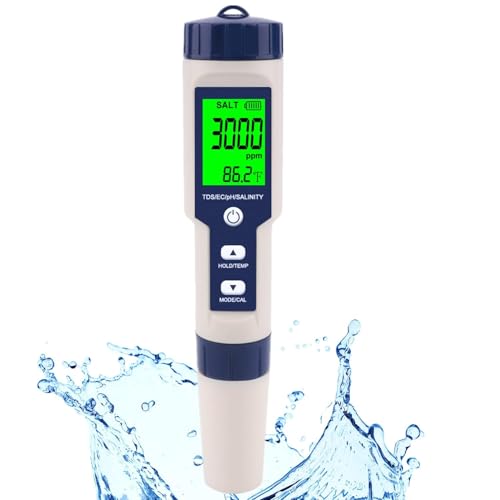
Pool Salt Tester & PH Meter, Hofun Digital Salinity Meter and PH Tester for Aquarium and Pool Saltwater Water, 5 in 1 Salinity PH Temp EC and TDS Meter, Aquarium Swimming Pool Hot Tub, High Accuracy
Wide Usage PH Meter : Hofun ph meter is an essential tool to improve your life quality. This…
As an affiliate, we earn on qualifying purchases.
As an affiliate, we earn on qualifying purchases.