

To guarantee your pool water is safe, regularly test chlorine and pH levels using reliable kits. Watch for cloudy water, strong chlorine odors, or skin and eye irritation, which indicate imbalance. Low chlorine or pH can allow bacteria and algae to thrive, while high levels cause discomfort. Adjust chemicals gradually, retest, and keep your pool clean. Staying vigilant helps avoid dangerous conditions, and you’ll discover more tips to keep your water perfectly balanced.
Key Takeaways
- Regularly test chlorine (1.0-3.0 ppm) and pH (7.2-7.8) levels to ensure water safety.
- Look for cloudy water, strong odors, or skin/eye irritation as signs of imbalanced chemistry.
- Low chlorine indicates bacteria and algae risk; high chlorine can cause irritation and reduce effectiveness.
- Adjust pH with appropriate chemicals: sodium carbonate to raise, muriatic acid to lower levels.
- Maintain proper chemical balance through gradual adjustments and consistent testing to keep water safe.
Are you confident that your pool water is safe for swimmers? Ensuring your pool is properly maintained isn’t just about making it look inviting; it’s about protecting everyone who takes a dip. One of the most critical aspects of pool safety is maintaining the right chlorine balance and pH levels. When these are off, your water can become a breeding ground for bacteria, algae, and other harmful contaminants. If you haven’t checked these regularly, you could unknowingly be putting swimmers at risk. Chlorine acts as a disinfectant, killing germs and keeping the water clean, but it needs to be in the right range—too little, and it won’t do its job; too much, and it can cause skin and eye irritation. Similarly, pH levels influence how effective the chlorine is. If the pH is too high or too low, the disinfectant won’t work properly, and your water can become cloudy or develop a foul smell.
To spot dangerous water conditions, start by testing your water regularly using reliable testing kits or strips. Check the chlorine levels first—ideally, they should be between 1.0 and 3.0 parts per million (ppm). If it’s below this, bacteria and algae can thrive, making your pool unsafe. If it’s above, swimmers might experience skin and eye irritation, and the chlorine may lose its effectiveness. Next, examine the pH levels, which should be maintained between 7.2 and 7.8. If the pH drops below 7.2, the water becomes acidic, causing corrosion of pool equipment and irritation to eyes and skin. If it rises above 7.8, the water turns alkaline, leading to cloudy water and decreased effectiveness of chlorine. Keep in mind that even small deviations can lead to problems; that’s why consistent testing and adjustments are essential. Additionally, understanding water chemistry can help you better interpret test results and prevent issues before they arise.
Fixing these issues is straightforward once you identify the problem. If chlorine is low, add the appropriate amount of chlorine or sanitizer to bring it to the recommended range. For high chlorine levels, you might need to wait for it to dissipate naturally or use a chlorine neutralizer. Adjust the pH by adding pH increasers or decreasers—sodium carbonate or muriatic acid, respectively. Always add chemicals gradually and retest after each adjustment to avoid overshooting. Regular maintenance, including skimming debris and cleaning filters, also supports balanced water chemistry. By staying vigilant and proactive about chlorine balance and pH levels, you ensure your pool remains a safe, healthy environment for everyone who swims in it.
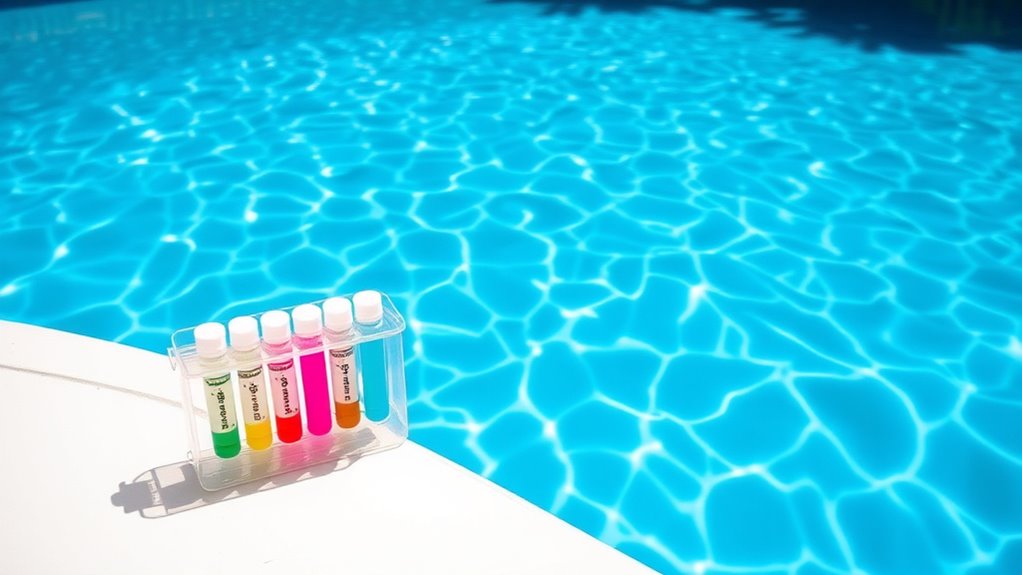
pool water test kit
As an affiliate, we earn on qualifying purchases.
As an affiliate, we earn on qualifying purchases.
Frequently Asked Questions
How Often Should I Test My Pool Water?
You should test your pool water at least twice a week to keep it safe and clear. Regular testing helps you monitor your pool’s filtration system and make certain proper pH balancing. If you notice any changes in water clarity or smell, test more often. Maintaining a consistent testing schedule helps prevent problems and keeps your pool inviting, clean, and safe for everyone to enjoy.
What Chemical Levels Indicate Unsafe Pool Water?
Picture perfect pool water begins with balanced chemicals. If your pH imbalance rises above 7.6, your water becomes corrosive, risking skin and eye irritation. An overdose of chlorine, exceeding 3 ppm, can cause eye stinging and respiratory issues. Low chlorine levels below 1 ppm allow bacteria to breed, while high levels indicate unsafe water. Regular testing helps keep your pool pristine, preventing dangerous conditions before problems pop up.
Can Algae in the Pool Be Harmful to Health?
Algae in your pool can pose health risks, mainly due to algae toxicity and algae skin irritation. When algae grow unchecked, they can harbor bacteria and other harmful microorganisms, increasing the chance of skin rashes or infections. Additionally, some algae produce toxins that may cause allergic reactions or respiratory issues. To keep your pool safe, regularly clean and treat the water, and promptly address algae growth to prevent these health hazards.
How Do I Prevent Pool Water Contamination?
You might wonder how to prevent pool water contamination from sneaking in. The secret lies in your pool filtration and water circulation. Regularly run your filter, especially during peak usage, to trap debris and bacteria. Keep water moving to prevent stagnation, which invites contaminants. By maintaining proper filtration and circulation, you create a barrier that keeps your pool clean and safe, so every swim feels invigorating and worry-free.
Are There Natural Methods to Improve Water Safety?
You can improve water safety naturally through methods like natural filtration, which uses biological or physical systems to clean your pool without chemicals. Additionally, mineral balancing helps maintain water clarity and safety by adding minerals that inhibit bacteria growth and reduce algae. These approaches support healthier water, minimize chemical use, and create a safer swimming environment, making your pool safer and more enjoyable without harsh chemicals.
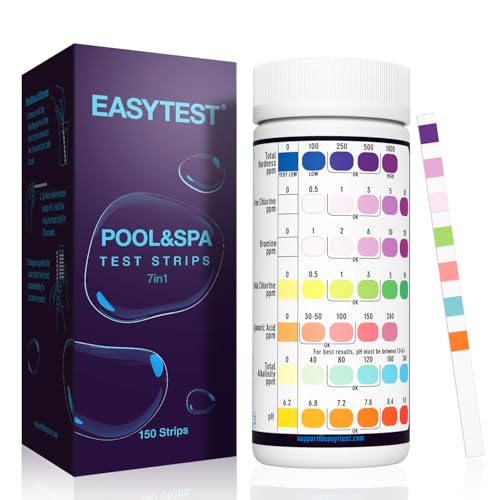
EASYTEST 7-Way Pool Test Strips, 150 Strips Water Chemical Testing for Hot tub and Spa, Accurate Test Bromine, Total Alkalinity, pH, Free Chlorine, Total Hardness, Cyanuric Acid, and Total Chlorine
AFFORDABLE 150 STRIPS: This water chemical testing kit contains 150 test strips. Enough balanced for your swimming pool,…
As an affiliate, we earn on qualifying purchases.
As an affiliate, we earn on qualifying purchases.
Conclusion
So, next time you’re relaxing by your pool, remember that keeping an eye on water safety is just like spotting a hidden treasure. Sometimes, a simple test or quick fix can turn a potentially dangerous situation into a safe, invigorating escape. Coincidentally, the same care you take to enjoy your pool can also protect your loved ones. Stay vigilant, and your pool will remain a safe haven for countless sunny days ahead.
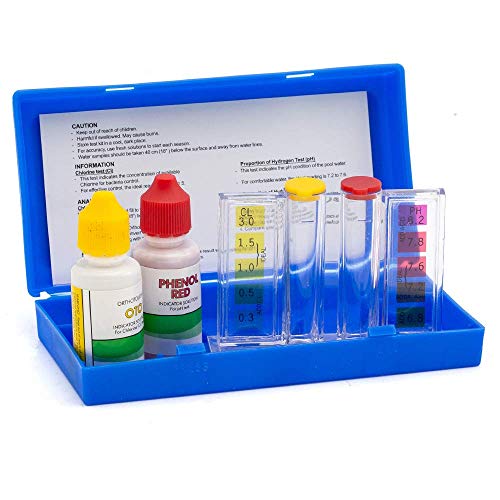
WWD POOL Swimming Pool Spa Water Chemical Test Kit for Chlorine and Ph Test (2 Way Test Kit)
2 Way Pool Water Test Kit For Test For OTO, CL, and PH Level
As an affiliate, we earn on qualifying purchases.
As an affiliate, we earn on qualifying purchases.

ARM & Hammer Clear Balance Swimming Pool Alkalinity pH Maintenance Tablets, White, 1 Pack, 24 Count
Clear Balance Pool Maintenance Tablets use the power of pure ARM & HAMMER Baking Soda in one simple…
As an affiliate, we earn on qualifying purchases.
As an affiliate, we earn on qualifying purchases.