
To compare swim current strength at home, try using a small buoy or plastic bottle filled with water to measure how quickly it drifts downstream. Mark a starting point and time how long it takes to travel a set distance. You can also observe leaves or twigs for real-time feedback on current speed. Practicing resistance swimming in a pool can build your strength. There’s much more you can experiment with to improve your skills!

Get pool and patio gear delivered free — and shop member deals
- Fast, free delivery on millions of items
- Access to Prime Big Deal Days deals on October 6–7
- Prime Video, Amazon Music and more included
Key Takeaways
- Use a small buoy or plastic bottle filled with water to measure current drift speed in a nearby body of water.
- Observe leaves or twigs floating downstream to gauge current speed and identify obstacles.
- Conduct resistance training in a pool using a current machine to simulate open water conditions.
- Check local swimming forums for current conditions reported by other swimmers for real-time insights.
- Monitor local weather and water conditions online to stay informed about changes affecting swim safety.
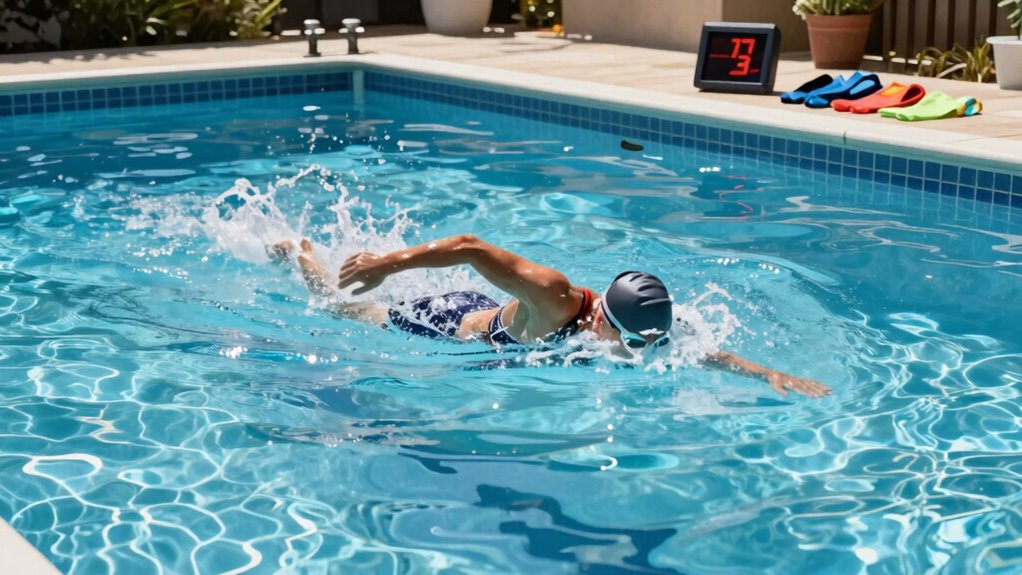
When you’re diving into a new swimming spot, understanding the strength of the current can make all the difference. It’s essential to gauge how strong that current is before you jump in. This knowledge not only keeps you safe but also helps you plan your swim effectively. You can compare swim current strength right at home using some straightforward current measurement methods, making it easier to prepare for your next adventure.
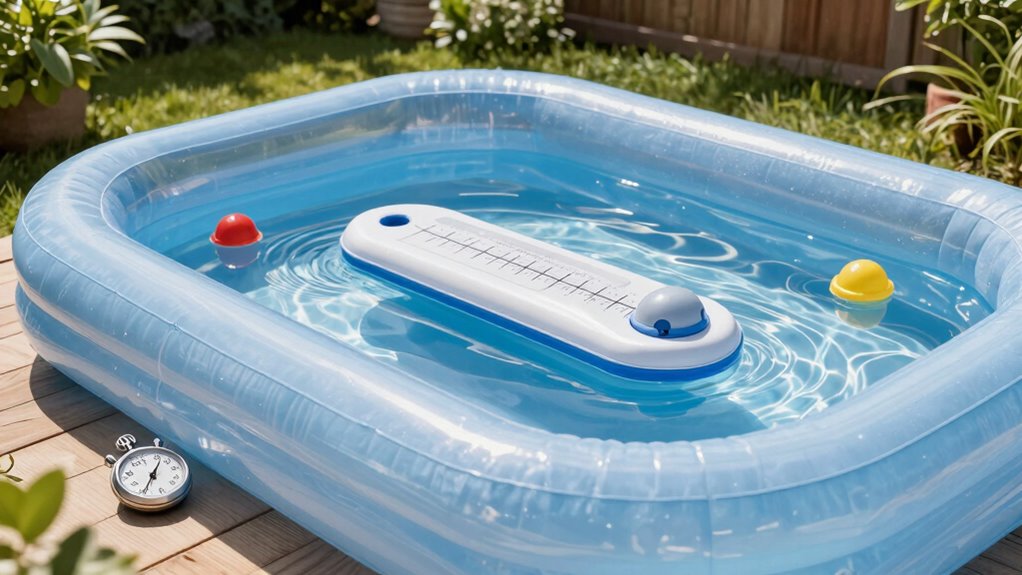
First, consider using a simple floating object, like a small buoy or even a plastic bottle. You can fill it with water and let it float in the current. This method allows you to observe how quickly it drifts downstream. The faster it moves, the stronger the current is. To make your measurements more precise, mark the starting point and then time how long it takes for the object to travel a certain distance. You’ll have a clearer idea of the current’s strength based on these observations.
Another effective way to assess swim current strength is by observing natural elements, such as the way leaves or twigs float on the water surface. By watching how quickly these items are carried away by the current, you’ll get a sense of its speed. This method can also help you identify any potential obstacles in the water that could affect your swim.
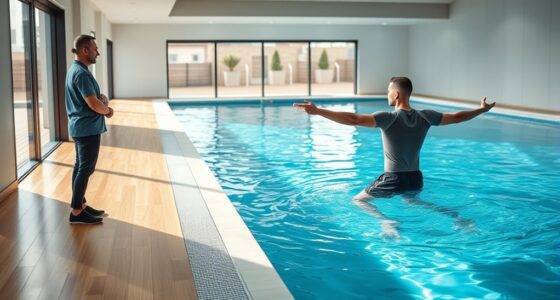
Incorporating swim resistance techniques can also be beneficial during your preparation. If you know the current is strong, you can practice swimming against it in a controlled environment, like a pool with a current machine. This way, you build your strength and endurance, making it easier to handle challenging conditions when you’re out in the open water.
Additionally, understanding primitive survival techniques can help you better prepare for unexpected water conditions, ensuring you’re equipped with both knowledge and skills for safe swimming in various environments.
Lastly, you can check online resources or local swimming forums for information about current conditions. Many places have local swimmers who regularly report on the water’s strength and changes. This data can give you insights into what to expect when you arrive.
swimming current measurement kit
As an affiliate, we earn on qualifying purchases.
As an affiliate, we earn on qualifying purchases.
Frequently Asked Questions
What Equipment Do I Need to Measure Swim Current Strength?
To measure swim current strength, you’ll need some current measurement devices and swim resistance tools. A flow meter can help you quantify the current’s speed, while resistance bands or swim parachutes create varying resistance levels. You might also consider a waterproof stopwatch to time your swims and gauge performance against the current. With these tools, you’ll accurately assess how strong the swim current is and how it affects your training.
Can I Compare Current Strength in Different Pools?
Yes, you can compare current strength in different pools. Think of each pool as a unique river, with its own twists and turns. The pool design impacts how currents flow, creating current variations that can differ greatly. By measuring these currents, you’ll discover how the water dances around you. Just like steering a stream, understanding these differences helps you enhance your swimming experience, making each stroke more purposeful and powerful.
How Does Water Temperature Affect Swim Current Strength?
Water temperature notably impacts current strength. When the water’s warmer, you might find the current feels less intense, as your body’s buoyancy increases. Conversely, colder water can make currents feel stronger due to increased density. You’ll notice that your energy levels might also drop in colder temperatures, affecting your performance. So, when you’re evaluating swim currents, keep temperature effects in mind to fully understand their current impact on your swimming experience.
Is There an Ideal Swim Stroke for Testing Current Strength?
Yes, there are ideal strokes for testing current strength. Freestyle and backstroke are great options, as they allow you to maintain speed and control against the current. You can experiment with technique variations, like changing your kick intensity or arm movements, to see how they affect your performance. By focusing on these strokes, you’ll get a clearer picture of how strong the current really is and how it impacts your swimming.
How Often Should I Test My Swim Current Strength?
You should test your swim current strength every few weeks to monitor your progress. This testing frequency allows you to identify changes in your swim performance over time. By regularly evaluating your strength, you can adjust your training regimen and focus on areas that need improvement. Consistent testing helps you stay motivated and guarantees that you’re making the most of your training sessions in varying conditions.
Conclusion
In summary, comparing swim current strength at home is like tuning a musical instrument; it takes practice and the right tools. By using simple methods, like measuring water flow and timing your swims, you can develop a keen sense of your environment. Remember, consistent evaluation helps you adapt and improve. So, plunge in, embrace the challenge, and let each stroke lead you to greater confidence in your swimming journey. You’ve got this!
Halloween Picks
halloween
As an affiliate, we earn on qualifying purchases.