
TL;DR

Get pool and patio gear delivered free with Prime
- Fast, free delivery on millions of items
- Prime Video, Amazon Music and more included
- Member-only deals all year
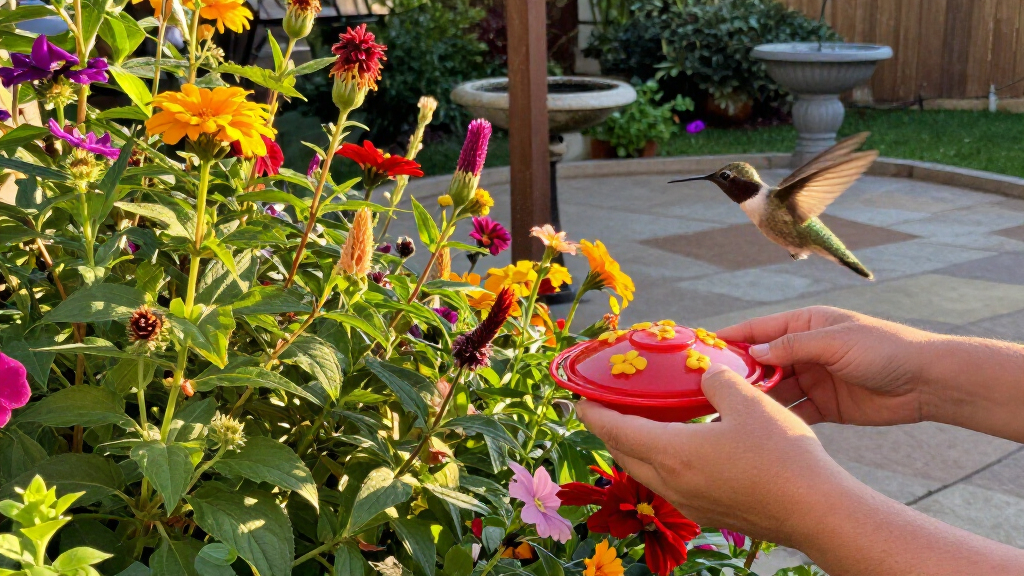
A gardening initiative encourages homeowners to create stop-and-fuel gardens for hummingbirds this August. The project emphasizes three key elements to support migrating hummingbirds. This effort aims to help conserve hummingbird populations during their migration season.
Community members and gardening enthusiasts are being encouraged to create stop-and-fuel gardens for hummingbirds this August, using just three simple elements. The initiative aims to support migrating hummingbirds by providing essential food and habitat during their seasonal journey, highlighting a practical way for individuals to contribute to bird conservation efforts.
The project emphasizes three key components: providing nectar-rich plants, ensuring a water source, and offering safe perching spots. Organizers suggest that planting native, nectar-producing flowers such as trumpet vine, bee balm, and salvia can attract hummingbirds. A shallow water source, like a birdbath with fresh water, is also recommended to support hydration and bathing needs. Additionally, adding perches such as small branches or specialized hummingbird hooks can give birds resting spots during their stopover.
According to the initiative’s coordinators, these simple steps can be implemented by homeowners, community gardens, and local parks to create vital stopover points during hummingbirds’ migration periods. The effort is being promoted through social media campaigns and local gardening groups, emphasizing that even small gardens can make a meaningful difference.
Why Supporting Migrating Hummingbirds Matters
This initiative highlights the importance of habitat conservation during migration seasons, which are increasingly threatened by habitat loss and climate change. Hummingbirds play a key role in pollination and maintaining healthy ecosystems. By creating stop-and-fuel gardens, individuals can directly contribute to the survival of these birds during their long journeys. This effort also raises awareness about the broader need for habitat preservation and the impact of human activity on migratory species.
As an affiliate, we earn on qualifying purchases.
Hummingbird Migration and Conservation Efforts
Hummingbirds migrate thousands of miles annually between Central America and North America, with peak migration occurring in late summer, including August. Conservation groups have noted declines in hummingbird populations, attributed to habitat destruction, pesticide use, and climate change. Previous campaigns have focused on planting native flowers and reducing pesticide use to support these birds. This new initiative builds on these efforts by promoting specific, actionable steps for individuals to create supportive environments during critical migration periods.
Unconfirmed Details About the Initiative’s Reach
It is not yet clear how widely the campaign will be adopted beyond initial social media outreach or whether specific regions will see more participation. The long-term impact on hummingbird populations remains to be studied, and organizers have not yet released data on the number of gardens created or birds supported.
Next Steps for Promoting and Evaluating the Gardens
Organizers plan to monitor the initiative’s reach through community reports and social media engagement. They also intend to provide additional resources and guidance to encourage more participants. Future efforts may include collaboration with local wildlife agencies to assess the impact on hummingbird migration success and survival rates during this season.
Key Questions
What are the three key elements for creating a hummingbird stop-and-fuel garden?
The three elements are planting nectar-rich native flowers, providing a shallow water source, and adding safe perching spots.
When is the best time to create these gardens for hummingbird migration?
The optimal time is during August, as it coincides with peak hummingbird migration in North America.
Can small gardens make a difference for migrating hummingbirds?
Yes, even small gardens can serve as vital stopover points, providing necessary resources during migration.
Are there specific plants recommended for attracting hummingbirds?
Native, nectar-producing plants such as trumpet vine, bee balm, and salvia are highly recommended.
Will this initiative have a measurable impact on hummingbird populations?
The long-term effects are still being studied, but supporting stopover habitats can improve migration success and survival rates.
Source: rss
Halloween Picks
halloween
As an affiliate, we earn on qualifying purchases.