
TL;DR

Get pool and patio gear delivered free with Prime
- Fast, free delivery on millions of items
- Prime Video, Amazon Music and more included
- Member-only deals all year
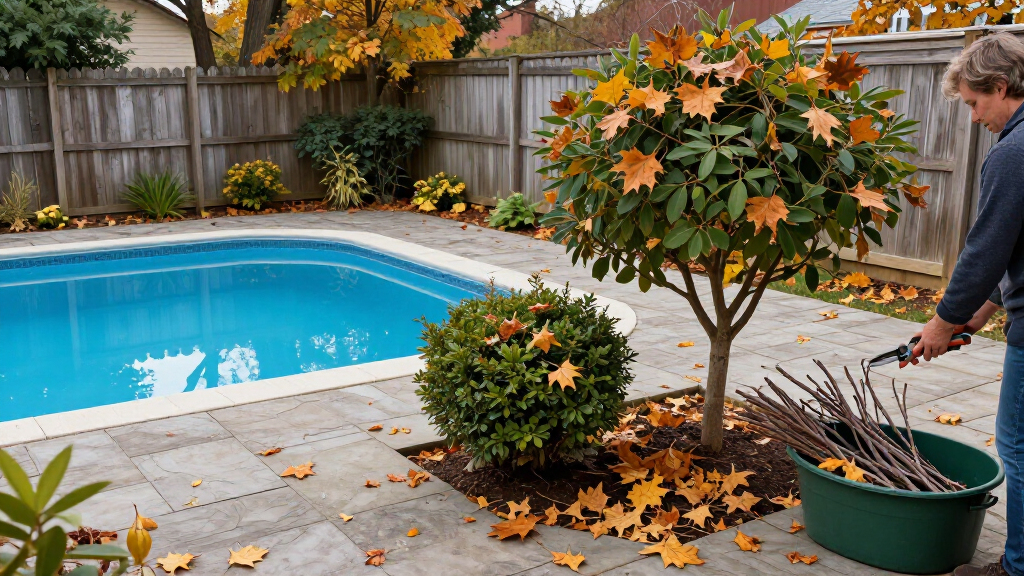
An Ideal Home report advises against routine tree pruning in October because most trees have not yet entered dormancy. It identifies acers, birches and newly planted trees as exceptions that may need a light trim to remove dead, damaged or crowded growth.
Most trees should not be pruned in October, according to an Ideal Home gardening report, which says the month is generally too early for routine cutting because many trees have not yet reached dormancy. The report identifies acers, birches and newly planted trees as exceptions that may need a light trim to remove dead, damaged or crowded branches.
The report says the appropriate time for most tree pruning is during the dormant season, usually from late autumn to late winter. Cutting earlier may put trees under unnecessary stress. Apple trees, cited as an example, are generally best pruned in winter rather than October, the report says.
Gareth Mitchell, gardening expert and founder of Tree2MyDoor, advises keeping any October work limited. He says a light prune can maintain a tree’s shape and remove dead or diseased wood, but timing matters because pruning at the wrong point in the year can lead to excessive sap loss or increase exposure to disease.
For acers, including Japanese maples, the suggested task is a check for dead, damaged or crossing branches, not substantial reshaping. Birches can have small dead or damaged branches removed, as can branches that rub against one another. Newly planted trees may need minor corrective pruning to remove broken growth or address an uneven shape. The report does not recommend heavy pruning for any of the three categories.
Why October Cuts Need Restraint
The advice matters to gardeners planning autumn maintenance because pruning at the wrong time can create avoidable stress for a tree. A quick seasonal tidy may seem harmless, but the report distinguishes limited removal of problem branches from routine or heavy shaping, which it says should generally wait until the dormant season.
For readers, the practical point is to inspect trees before reaching for pruning tools. Removing a small broken or diseased branch is different from cutting back healthy growth. Keeping the work selective may reduce unnecessary cuts while helping gardeners address branches that are damaged, crossing or rubbing.
The recommendations are general gardening guidance, not a diagnosis of an individual tree. Tree species, local conditions and the extent of damage can affect what work is appropriate. Where a tree is large, unstable or near buildings or public areas, the report does not provide a substitute for qualified assessment.
tree pruning shears for dead branches
As an affiliate, we earn on qualifying purchases.
As an affiliate, we earn on qualifying purchases.
The Seasonal Pruning Window
October falls in early autumn in the report’s seasonal framing. Although deciduous trees may already be losing leaves, that change alone does not mean they have entered dormancy or are ready for their annual pruning. The report places the usual dormant period between late autumn and late winter.
The timing varies by species and by the reason for pruning. The article singles out apple trees as an example for which winter is generally the preferred pruning period. It also notes that birches can lose sap when heavily pruned in late winter and early spring, when sap flow is at its peak; Mitchell says October can be a safer time for removing small damaged or dead branches from birches.
Mitchell’s advice, as quoted by Ideal Home, is to focus on the tree’s needs rather than carry out a broad seasonal cut. Acers are naturally shaped trees and, he says, typically need little pruning. The shared approach across the three exceptions is limited work, not a general October pruning schedule.
“Timing really matters when it comes to pruning.”
— Gareth Mitchell, gardening expert and founder of Tree2MyDoor, quoted by Ideal Home
Limits of the October Advice
The report does not set out a species-by-species pruning calendar, define precise cut sizes or give regional guidance for different climates. It also does not specify how long a newly planted tree should be established before corrective pruning, or how to assess whether a particular branch is diseased or unsafe.
The advice is attributed to Mitchell through Ideal Home, but the source material does not cite a separate study or official horticultural standard supporting the recommendations. It is general guidance, and the right timing may depend on the tree’s condition and local growing conditions. The report’s wording supports light, selective pruning for the listed exceptions, not heavy cutting.
Check Before Making Cuts
Gardeners considering October work should first identify the tree and inspect it for dead, damaged, diseased, broken or rubbing branches. If pruning is warranted, the report’s advice is to keep cuts limited, particularly on acers and newly planted trees, and to avoid routine shaping of most species until the dormant period.
The article gives no date for a follow-up or further guidance. Anyone unsure about a tree’s health, the safety of a branch or the correct pruning season for a specific species may need advice from a qualified arborist or local horticultural service before cutting.
Key Questions
Can you prune trees in October?
According to the Ideal Home report, most trees should not receive routine pruning in October because they may not yet be dormant. It says limited trimming may be appropriate for acers, birches and newly planted trees when there are specific problem branches to remove.
Which trees does the report list as October exceptions?
The three categories are acers, birches and newly planted trees. The advice is for a light trim, not heavy pruning.
What should be removed from an acer in October?
The report suggests checking Japanese maples and other acers for dead, damaged or crossing branches. It says acers have a naturally attractive shape and generally need little pruning.
Why does the report advise against heavy October pruning?
Gardening expert Gareth Mitchell says pruning at the wrong time can risk excessive sap loss or expose a tree to disease. The report says most trees should wait until the dormant season, generally late autumn to late winter.
When should apple trees be pruned?
The report says winter is generally the best time to prune apple trees and warns that cutting them too early may cause unnecessary stress. It does not provide a more specific date or regional schedule.
Source: rss
Fall Picks
fall essentials
As an affiliate, we earn on qualifying purchases.