
TL;DR

Get pool and patio gear delivered free with Prime
- Fast, free delivery on millions of items
- Prime Video, Amazon Music and more included
- Member-only deals all year
Interest in the harlequin cabbage bug is rising among gardeners due to its impact on brassicas. This report confirms identification methods and organic control options, highlighting ongoing research and uncertainties.
Gardening enthusiasts and organic farmers are increasingly seeking information on the harlequin cabbage bug, a pest known for damaging brassica crops. Recent spikes in online searches suggest growing concern about managing this pest using organic methods, though detailed research remains ongoing.
The harlequin cabbage bug (Murgantia histrionica) is a brightly colored insect characterized by its distinctive harlequin pattern of orange, black, and white markings. It primarily feeds on cruciferous plants such as cabbage, broccoli, and kale, causing damage by piercing plant tissues and sucking sap. Confirmed identification involves noting its vivid coloration and shield-shaped body, typically measuring around 12-15 millimeters in length.
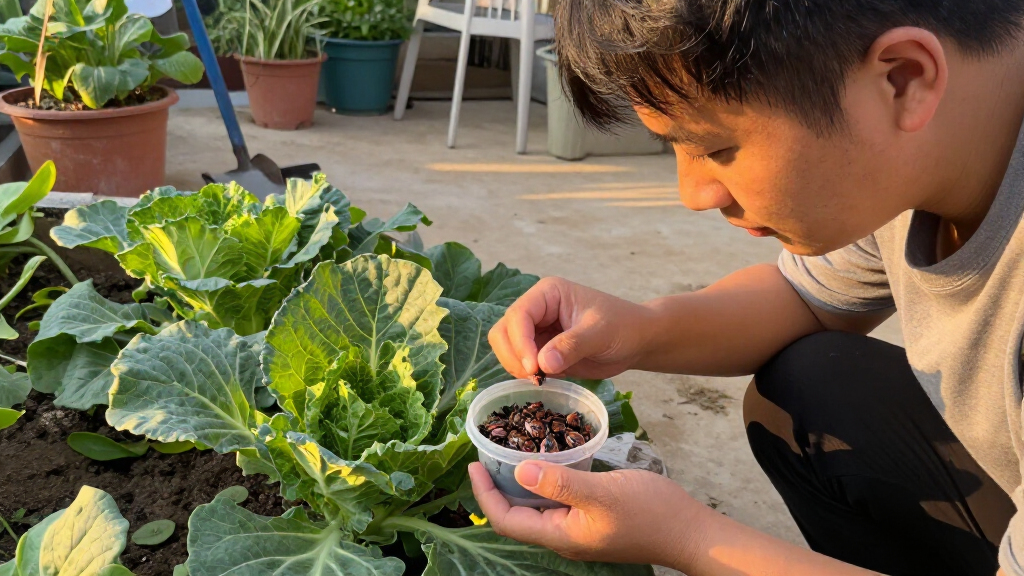
Organic control strategies currently recommended include manual removal, use of insecticidal soaps, neem oil applications, and encouraging natural predators like ladybugs and parasitic wasps. These methods have been validated through pest management guides, although their effectiveness can vary depending on infestation levels and environmental conditions. The recent surge in coverage and search interest appears linked to reports of increased sightings in certain regions, but no formal outbreak has been officially declared.
Researchers and extension services emphasize that early detection and integrated pest management (IPM) are crucial for controlling the harlequin cabbage bug organically. However, detailed studies on the pest’s lifecycle and most effective control timings are still underway, leaving some uncertainties about the best practices for large-scale or persistent infestations.
Impacts of the Harlequin Cabbage Bug on Organic Gardening
The rising interest in the harlequin cabbage bug reflects growing concern among organic gardeners and farmers about pest damage to brassicas, which are staple crops in many home gardens and local markets. Effective identification and management are essential to prevent crop loss without resorting to chemical pesticides. The pest’s distinctive appearance makes early detection feasible, but understanding organic control options is vital for sustainable pest management. As search interest spikes, awareness about organic methods could influence gardening practices and pest control policies in affected regions.
organic insecticidal soap for cabbage pests
As an affiliate, we earn on qualifying purchases.
As an affiliate, we earn on qualifying purchases.
Background on the Harlequin Cabbage Bug and Its Growing Attention
The harlequin cabbage bug has been known to entomologists as a pest affecting cruciferous crops for decades. Its vivid coloration and distinctive markings make it easily recognizable, but recent reports of increased sightings have prompted heightened attention. The surge in online coverage and gardener inquiries appears to be a trend signal rather than an official outbreak, with some experts attributing the increased interest to localized reports or seasonal activity. Currently, there are no confirmed large-scale infestations, but the pest’s potential for crop damage has kept it on the radar of organic growers.
Historically, control of this pest has relied on manual removal and natural predators, with chemical options avoided in organic systems. Recent research focuses on refining organic control methods and understanding the pest’s lifecycle to improve timing and effectiveness. The exact cause of the recent spike in coverage remains unconfirmed, but it coincides with the pest’s active season in many regions.
Unconfirmed Factors in the Pest’s Recent Activity Surge
While search interest has spiked, it is not yet clear whether this reflects a true increase in pest populations or heightened awareness and reporting. No official outbreaks have been confirmed by agricultural authorities, and the reasons behind the recent attention remain speculative. Researchers are still studying the pest’s lifecycle and environmental factors influencing its activity, leaving some uncertainty about the severity and spread of potential infestations.
Monitoring, Research, and Organic Control Advancements
Experts plan to continue monitoring pest reports and conducting studies on organic control efficacy. Extension services are expected to release updated guidelines on timing and methods for organic management. Growers are advised to stay vigilant, implement early detection practices, and participate in local pest reporting networks to help track any emerging trends. Further research will clarify the pest’s lifecycle and optimize organic control strategies, but current recommendations emphasize early action and biological controls.
Key Questions
How can I identify the harlequin cabbage bug in my garden?
The harlequin cabbage bug is easily recognizable by its bright orange, black, and white pattern and shield-shaped body, typically measuring 12-15 mm. Look for these markings on plants like cabbage, broccoli, and kale.
What are effective organic methods to control this pest?
Manual removal, application of insecticidal soaps or neem oil, and encouraging natural predators such as ladybugs and parasitic wasps are recommended organic control strategies. Early detection enhances effectiveness.
Is there a risk of a large-scale outbreak?
Currently, there are no confirmed large-scale outbreaks of the harlequin cabbage bug. Most reports are localized, but ongoing monitoring is necessary to detect any potential spread.
When should I start applying control measures?
Control measures should begin as soon as you observe the first signs of infestation, ideally early in the pest’s active season to prevent significant damage.
Are chemical pesticides recommended for organic gardening?
No, chemical pesticides are not permitted in organic gardening. Focus on physical removal and biological controls to manage the pest sustainably.
Source: rss
Halloween Picks
halloween
As an affiliate, we earn on qualifying purchases.