
To build a swim habit that sticks, set specific goals and visualize your progress to stay motivated. Create a routine by choosing consistent days and times, while preparing your gear in advance to make it easier to jump in. Use triggers like environmental cues and positive self-talk to reinforce behavior. Celebrate small wins and stay flexible when setbacks occur. Keep these strategies in mind, and you’ll discover more ways to make swimming a lasting part of your life.
Key Takeaways
- Set specific, achievable swimming goals and schedule regular sessions to create a consistent routine.
- Use mental strategies like visualization and positive self-talk to reinforce motivation and commitment.
- Prepare your gear in advance and associate cues with swimming to develop automatic triggers.
- Celebrate small victories and reflect on progress to boost confidence and maintain motivation.
- Be patient, flexible, and view setbacks as opportunities to strengthen your commitment and integrate swimming into daily life.
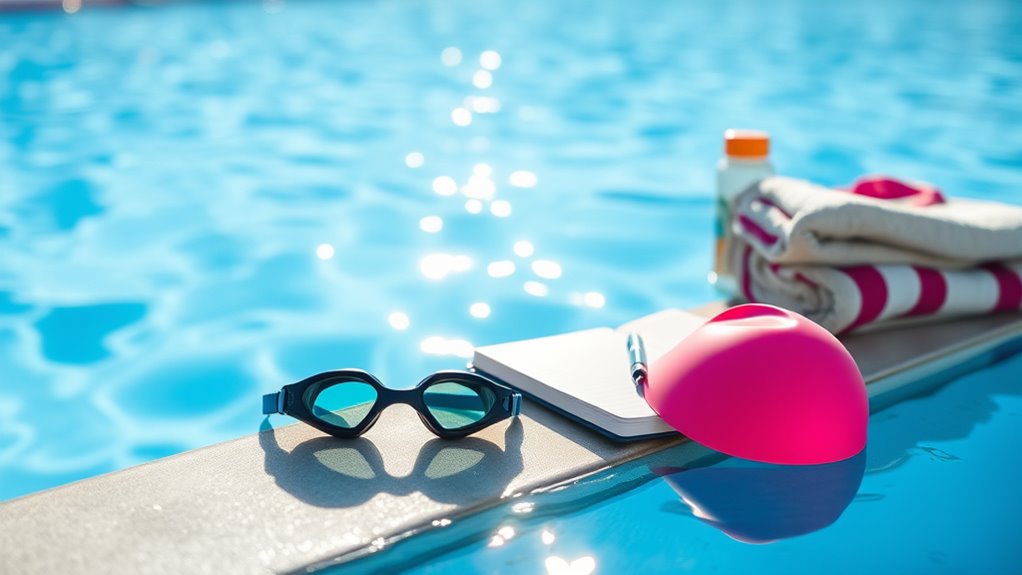
Have you ever wondered how to make swimming a regular part of your routine? The key lies in developing mental strategies that reinforce your commitment and establishing routine consistency. When you approach your swimming practice with a clear mental framework, it becomes easier to stay motivated and overcome obstacles that might otherwise derail your progress. To start, visualize your goals and remind yourself why you want to build this habit. Whether it’s improving your fitness, relieving stress, or training for a race, keeping those reasons front and center helps you stay focused. Mental strategies like positive self-talk and setting small, achievable milestones can make the process feel less overwhelming and more manageable. For example, tell yourself, “I only need to swim for 15 minutes today,” and gradually increase your time as your confidence grows. This approach instills a sense of accomplishment and prevents burnout. Incorporating filtration efficiency into your routine can also ensure a cleaner swimming environment, supporting your health and motivation.
Routine consistency plays an essential role in cementing your swim habit. Decide on specific days and times for your swims and stick to that schedule as much as possible. Creating a routine helps your brain associate certain cues—like preparing your gear or stepping into the pool—with the act of swimming. Over time, these cues become automatic triggers, reducing the mental effort needed to get started. It’s helpful to plan your swims in advance, perhaps even laying out your gear the night before or scheduling your sessions on your calendar. The more predictable your routine, the more ingrained the habit becomes. Consistency doesn’t mean perfection; if you miss a session, don’t get discouraged. Instead, think of it as a temporary setback and commit to resuming your routine as soon as possible.
Building mental resilience is also essential. When motivation dips or unforeseen challenges arise, remind yourself of your progress and the benefits you’ve already gained. Celebrate small victories to reinforce positive feelings about your swimming practice. Over time, these mental strategies help you develop an internal motivation that sustains your habit, even when external motivation wanes. Remember, creating a sustainable swim routine is about making it an integral part of your lifestyle, not a chore. By combining mental strategies with routine consistency, you’ll find it easier to stay committed and enjoy the process. With patience and perseverance, your new habit will become second nature, transforming swimming from an occasional activity into a lifelong practice.

Aegend 2 Pack Snorkeling Gear for Adults, Dry Snorkel Set Panoramic View Enhanced Anti-Leak and Anti-Fog Technology, Adjustable Strap for Snorkeling Scuba Diving Swimming with Mesh Bag
ONE SIZE FITS ALL – With the adjustable elastic silicone strap, the snorkeling gear for adults can give…
As an affiliate, we earn on qualifying purchases.
As an affiliate, we earn on qualifying purchases.
Frequently Asked Questions
How Do I Stay Motivated to Swim Consistently?
To stay motivated to swim consistently, use motivational strategies like setting clear goals and tracking your progress. Find accountability partners—friends or fellow swimmers—who encourage you and hold you accountable. Remind yourself of your reasons for swimming and celebrate small victories. Keep your routine enjoyable by varying your workouts. By staying connected to your purpose and sharing your journey, you’ll find it easier to stay committed and motivated over time.
What Equipment Do I Need as a Beginner?
Think of your beginner swimming gear like a trusty sidekick. You’ll need a well-fitting swimsuit, goggles to see clearly underwater, and a swim cap to protect your hair. Don’t forget pool safety essentials like a kickboard or pull buoy to build your skills. These items help you stay comfortable and safe, making your swim sessions more enjoyable. Remember, starting with the right equipment sets a solid foundation for your swim habit.
How Can I Improve My Swimming Technique?
To improve your swimming technique, focus on refining your breathing techniques and stroke efficiency. Practice exhaling fully underwater and timing your breaths with your strokes to maintain rhythm. Work on streamlined body positioning and controlled movements to maximize efficiency. Consider taking lessons or watching tutorials to identify and correct form issues. Consistent practice with these tips helps you swim more smoothly, conserve energy, and build confidence in the water.
What Are Common Injuries and Prevention Tips?
Injuries can strike like lightning if you’re not careful, so injury prevention is key. Common ailments include shoulder pain, swimmer’s ear, and tendinitis. To avoid these, stretch thoroughly, practice proper technique, and wear ear protection. Rest adequately and listen to your body. Staying vigilant and proactive dramatically reduces your risk, helping you enjoy endless, pain-free swimming sessions. Remember, prevention beats cure—protect yourself and keep swimming strong!
How Do I Balance Swimming With Other Fitness Routines?
You can balance swimming with other fitness routines by scheduling your swim sessions alongside your workouts, ensuring you have waterproof gear ready for seamless shifts. Incorporate pool safety practices to prevent injuries during swimming. Mix your routines by alternating swimming days with strength or flexibility workouts. This approach keeps your fitness balanced, prevents burnout, and helps you enjoy all activities without overtraining, making your overall fitness journey more sustainable and enjoyable.
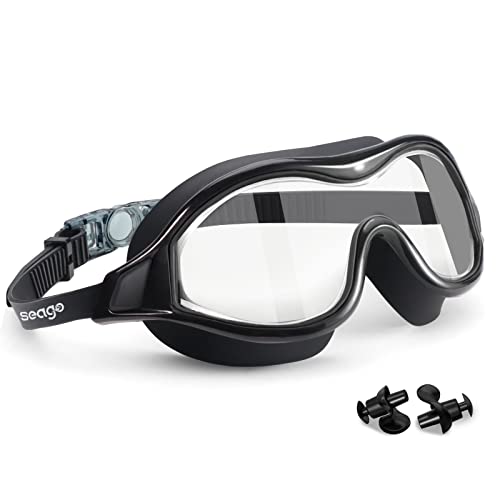
Seago Swim Goggles No Leaking Anti-Fog Swimming Goggles for Adult Men Women Youth Junior with Soft Silicone Gasket, UV Protection Waterproof 180° Clear Vision, Triathlon Pool Goggles Swim Glasses
➡️COMFORTABLE FIT & SOFT SILICONE SEALS: The Wide & Thick Silicone Eye sockets with the newest technology are…
As an affiliate, we earn on qualifying purchases.
As an affiliate, we earn on qualifying purchases.
Conclusion
Building a swim habit takes consistency and patience. Remember, just 30 minutes of swimming three times a week can improve your cardiovascular health and reduce stress. Did you know that establishing a routine increases the likelihood of sticking with it by 80%? So, stay committed, set realistic goals, and enjoy the journey of becoming a confident swimmer. Before long, swimming will feel like a natural part of your life, bringing both health benefits and joy.

Speedo Unisex-Adult Swim Cap Silicone
Protect your hair from chlorine with this durable swim cap made from pliable silicone and designed to fit…
As an affiliate, we earn on qualifying purchases.
As an affiliate, we earn on qualifying purchases.

Yungyan Pool Towel Storage Basket Bin and Organizer Large Pool Towel Storage Basket Waterproof Canvas Cube with Handle Beach Gift for Outdoor Summer Seaside Home Clothes Books Toys Organization
Stylish Storage Basket: our pool towel storage basket features a refreshing blue and white color scheme, with "Pool…
As an affiliate, we earn on qualifying purchases.
As an affiliate, we earn on qualifying purchases.