
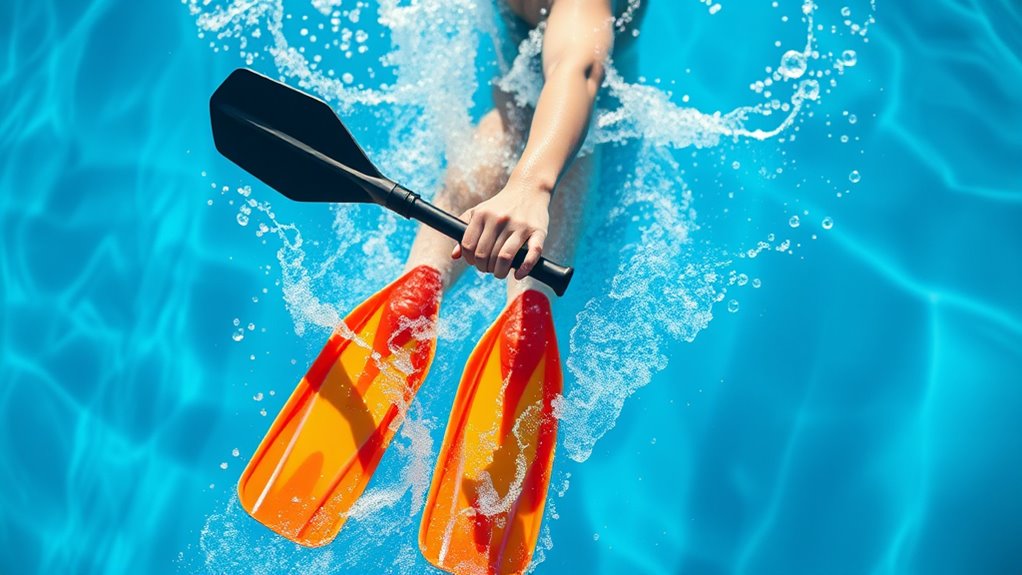

To use fins and paddles safely in training, make sure they fit comfortably without restricting circulation and use proper technique to prevent strain and injury. Warm up first, start with shorter sessions, and gradually increase intensity. Focus on controlled movements and avoid over-gripping to protect your shoulders and joints. Regularly check your equipment for damage and maintain it properly. Keep these tips in mind to maximize your workout and stay safe—more guidelines can help you further improve your routine.
Key Takeaways
- Ensure fins and paddles fit snugly without causing discomfort or restricting circulation.
- Use proper technique with controlled, smooth movements to prevent shoulder and joint injuries.
- Warm up thoroughly before using fins or paddles and limit training duration to avoid strain.
- Hold paddles lightly and maintain a high elbow to reduce wrist and forearm stress.
- Regularly inspect equipment for wear and perform maintenance to ensure safety and optimal performance.

Using fins and paddles in training can greatly enhance your swimming skills, but it’s essential to prioritize safety to prevent injuries. Proper fitting is the foundation of safe and effective use. When choosing fins, ensure they fit snugly without causing discomfort or restricting circulation. Ill-fitting fins can lead to blisters, chafing, or even sprained ankles. Similarly, paddles should fit comfortably in your hands, allowing you to maintain a natural grip without excessive strain. Proper fitting not only prevents injuries but also guarantees that you get the most benefit from your training tools.
Properly fitted fins and paddles maximize safety and training benefits in swimming.
Focusing on technique optimization is equally important. When using fins, you want to maintain a smooth, controlled kick that feels natural and efficient. Fins can help you develop a more powerful kick by engaging your muscles more effectively, but over-reliance on them can lead to poor habits if you’re not mindful of your form. Keep your ankles flexible and avoid kicking from your hips with stiff legs. Concentrate on small, quick kicks to maximize propulsion without wasting energy. This approach improves your overall technique and builds strength that transfers to regular swimming without fins.
Paddles demand particular attention to technique as well. Because paddles increase the surface area of your hands, improper use can cause shoulder strain or fatigue. To optimize your technique, focus on maintaining a high elbow and a balanced stroke. Avoid over-gripping the paddles, which can cause tension in your wrists and forearms. Instead, hold them lightly and concentrate on pulling through the water with your entire arm and shoulder. This not only improves your stroke efficiency but also minimizes the risk of injury. Using paddles correctly helps you develop better timing and body positioning, essential for more powerful and efficient swimming.
Always start with a gentle warm-up before incorporating fins or paddles into your routine. This prepares your muscles and joints, reducing the risk of strain. Limit the duration of your training sessions with these tools, especially when you’re just starting out. Gradually increase intensity and time as your body adapts. Pay close attention to any discomfort or pain—if you notice shoulder or joint pain, stop immediately and reassess your fit and technique. Consulting with a coach or experienced swimmer can help you refine your form and select the right equipment, ensuring you stay safe while gaining maximum benefit. Additionally, understanding the importance of proper maintenance of your equipment can extend its lifespan and keep it functioning safely and effectively.
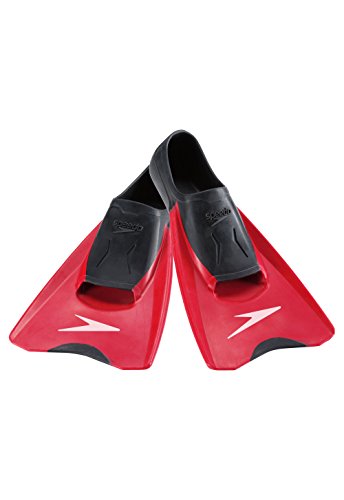
Speedo Unisex-Adult Swim Training Fin Rubber Medium Blade
This innovative rubber fin offers a whole new angle on training
As an affiliate, we earn on qualifying purchases.
As an affiliate, we earn on qualifying purchases.
Frequently Asked Questions
Can Fins and Paddles Cause Long-Term Joint Damage?
Fins and paddles can cause long-term joint damage if you push too hard or use them improperly. They increase joint strain and muscle fatigue, especially if you overtrain or ignore pain signals. To protect your joints, start with lower resistance, limit training duration, and listen to your body. Proper technique and rest are key to avoiding long-term issues and maintaining healthy joints over time.
Are There Specific Techniques for Beginners Using Fins and Paddles?
As a beginner, focus on proper technique by keeping your movements controlled and relaxed to avoid strain. Use lightweight fins and paddles that match your skill level and body size for equipment selection. Start with short sessions, gradually increasing intensity. Remember, maintaining good form and choosing the right gear helps prevent injury and builds confidence, making your training both safe and effective.
How Do I Choose the Right Size of Fins and Paddles?
Imagine you’re in a time machine, choosing fins and paddles isn’t any different. To pick the right size, start with your foot size for fins—go slightly smaller for comfort and better control. For paddles, match them to your swimming level; beginners should select smaller paddles to avoid strain. Always try them on and make sure they fit snugly without causing discomfort, so your training remains effective and safe.
Are There Age Restrictions for Training With Fins and Paddles?
There are generally age limits for training with fins and paddles, especially for young or beginner swimmers. Safety guidelines recommend that kids under a certain age, usually around 8-10 years old, should use age-appropriate equipment under supervision. Always verify the manufacturer’s recommendations and consult with a coach to guarantee safety. Following these guidelines helps prevent injuries and ensures a safe, enjoyable training experience for swimmers of all ages.
What Are Signs of Overuse or Injury From Fins and Paddles?
You might notice muscle fatigue in your arms or legs, or wrist strain if you’re overusing fins and paddles. These signs indicate you’re pushing too hard or not resting enough. Pay attention to persistent pain or soreness that doesn’t improve with rest. If you experience these symptoms, reduce your training intensity, take breaks, and consider consulting a trainer or healthcare professional to prevent injury.

Contour Swim Paddles Hand, Swim Training Hand Paddles with Adjustable Straps, Swimming Hand Paddles for Women and Men
Premium Quality: The swim hand paddles are made of PC Material, they are light weight, does not impose…
As an affiliate, we earn on qualifying purchases.
As an affiliate, we earn on qualifying purchases.
Conclusion
By following these safety tips, you can confidently incorporate fins and paddles into your training. For example, imagine you’re pushing your limits with paddles, but notice shoulder discomfort early. If you stop and adjust your technique or take a break, you prevent injury and keep improving. Always listen to your body, stay aware of your surroundings, and don’t push beyond your limits. With caution and proper use, fins and paddles can boost your swimming skills safely.

MELUMILU Snorkel Fins, Swim Fins Travel Size Short Adjustable for Snorkeling Diving Adult Men Women Open Heel Swimming Flippers (Black)
𝐍𝐨𝐭𝐞: 𝐎𝐧𝐥𝐲 𝐬𝐮𝐢𝐭𝐚𝐛𝐥𝐞 𝐟𝐨𝐫 𝐋/𝐗𝐋 (𝐔𝐒 𝟖.𝟓-𝟏𝟏.𝟓), 𝐧𝐨𝐭 𝐬𝐮𝐢𝐭𝐚𝐛𝐥𝐞 𝐟𝐨𝐫 𝐒/𝐌 (𝐔𝐒 𝟒.𝟓-𝟖.𝟓)
As an affiliate, we earn on qualifying purchases.
As an affiliate, we earn on qualifying purchases.
Contour Swim Paddles Hand, Swim Training Hand Paddles with Adjustable Straps, Swimming Hand Paddles for Women and Men
Premium Quality: The swim hand paddles are made of PC Material, they are light weight, does not impose…
As an affiliate, we earn on qualifying purchases.
As an affiliate, we earn on qualifying purchases.