TL;DR

Get pool and patio gear delivered free with Prime
- Fast, free delivery on millions of items
- Prime Video, Amazon Music and more included
- Member-only deals all year
Amateur Gardening has highlighted rhododendrons, hydrangeas and camellias as options for north-facing gardens that receive little direct sunlight. The report says their flowering seasons and evergreen foliage can provide interest at different times of year, while noting that rhododendrons need acidic soil and all three still require suitable care.
Rhododendrons, hydrangeas and camellias are three plants recommended for shady, north-facing gardens in a report by Amateur Gardening. The selection offers gardeners options for seasonal flowers and year-round foliage, although success depends on matching each plant to local soil and growing conditions.
The report attributes its recommendations to Calogero Scanella, managing director of Surrey-based CS Gardens. He told Amateur Gardening that north-facing or shady gardens can limit the range of plants available, but that some flowering plants prefer shade and shelter. The three suggestions can be grown in the ground or in containers, depending on the garden and the gardener’s maintenance preferences.
Rhododendrons are described as shade-tolerant woodland plants, but they need acidic soil. Scanella advises gardeners to consider their soil before planting; where it is not acidic, the report suggests growing a rhododendron in a pot with acidic soil. Hydrangeas can manage with a few hours of sunlight, Scanella says, and he cautions that too much sun can fade their flower colours. In shadier conditions, their blooms may last further into late summer and autumn.
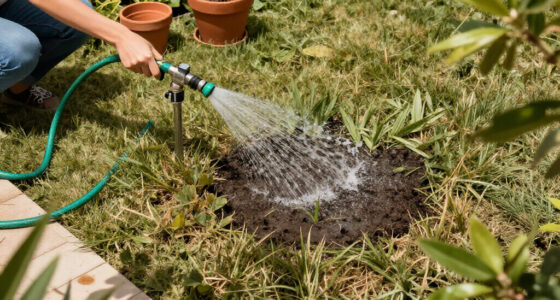
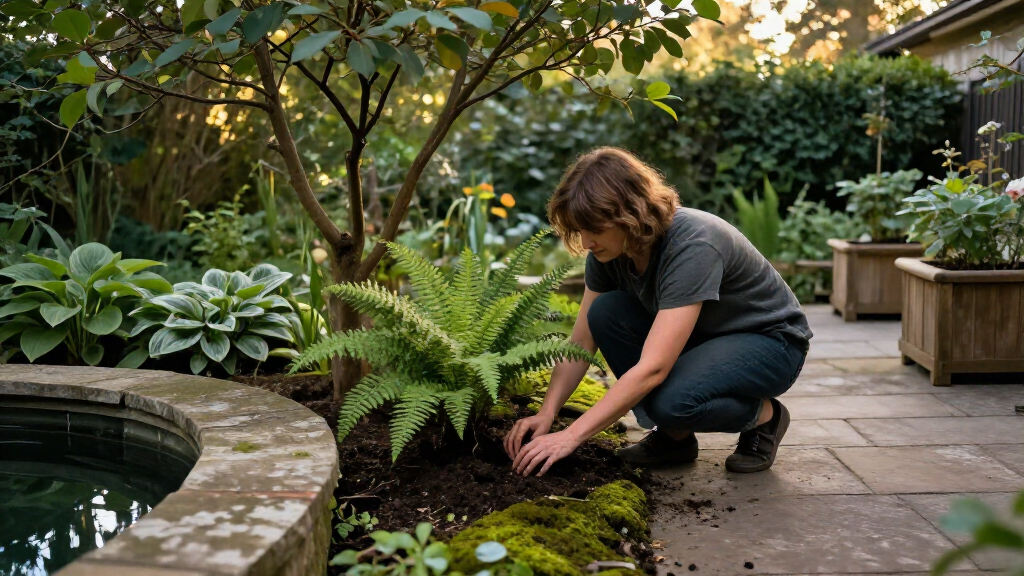
Camellias bring glossy evergreen leaves to a garden when they are not flowering. According to the report, they flower in late winter or early spring, when fewer other plants may be in bloom. Amateur Gardening also recommends adding compost when planting near trees, watering plants during warm, dry periods and using mulch to help retain soil moisture.
Seasonal Colour in Low Light
The recommendations address a common constraint for gardeners: limited direct sunlight can rule out plants that need brighter conditions, but it does not mean outdoor space must remain without flowers or foliage. A mix of plants with different flowering periods can spread visual interest across the year, rather than relying on one summer display.
The plants also serve different roles. Camellia foliage can add greenery outside its flowering period, while hydrangeas and rhododendrons offer blooms at other points in the growing calendar. These are practical suggestions, not a guarantee of results: the report does not identify specific cultivars or provide a planting plan for every region, and site conditions still matter.
Products Worth Considering

Greenworks 60V Cordless Leaf Blower with 2.5 Ah Battery and Charger

EGO POWER+ Cordless Electric Leaf Blower 530 CFM with Battery (LB5302)

Husqvarna 460 Rancher Gas Chainsaw, 24-Inch Bar
As an affiliate, we earn on qualifying purchases.
Choosing Plants for Shade
A north-facing garden often receives less direct sunlight than a south-facing one, but shade can also result from fences, buildings or tree cover. The report says shade-tolerant plants can be used along borders, near tall fences and trees, or in window boxes, pots and patio containers. Their placement can also soften hard boundaries and add height to darker areas.
Shade itself does not describe every growing condition. Soil, shelter, moisture and competition from nearby tree roots can affect how a plant establishes. The report’s advice reflects that distinction: it singles out acidic soil for rhododendrons and recommends compost where tree roots make planting difficult. It also warns against assuming shaded plants never need watering.
“There are plenty of varieties that are perfectly happy with just a few hours a day.”
— Calogero Scanella, speaking to Amateur Gardening
Local Conditions Still Matter
The report does not specify which hydrangea or camellia varieties suit particular climates, nor does it give a planting schedule or detailed care requirements for each cultivar. It also provides no measurements for how much shade or direct sunlight the plants can tolerate beyond Scanella’s general comment that some hydrangeas manage with a few hours of sun.
Gardeners’ soil type, drainage, local weather and the amount of competition from tree roots may affect results. The report’s guidance is general advice rather than a site-specific assessment; it does not establish that all three plants will thrive in every north-facing garden.
Check Soil Before Planting
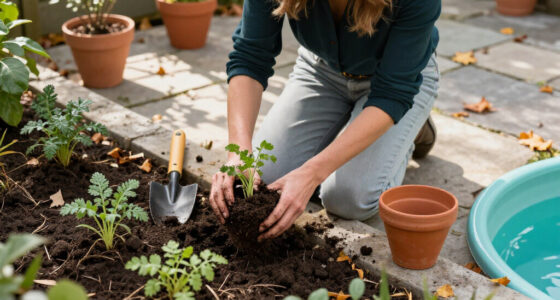
Gardeners considering the recommendations can first check the light and soil conditions in the proposed planting spot. For rhododendrons, the report says to provide acidic soil, either in the garden where conditions suit or in a container with acidic growing medium. A container may also offer more control over placement and maintenance.
After planting, the report advises adding compost near trees, watering during warm and dry weather and applying mulch such as shredded bark or suitable organic matter. The article does not announce a forthcoming test or follow-up; practical outcomes will depend on individual gardens and the plants selected.
Key Questions
Which three plants does the report recommend?
Amateur Gardening names rhododendrons, hydrangeas and camellias for shady, north-facing gardens.
Do rhododendrons need special soil?
Yes. The report says rhododendrons need acidic soil. It suggests using an acidic growing medium in a pot if the garden soil is unsuitable.
Can hydrangeas grow with little direct sunlight?
According to garden expert Calogero Scanella, some hydrangea varieties can do well with a few hours of sunlight a day. He says excessive sun can fade flower colours, but the report does not name specific varieties.
Do shade-loving plants still need watering?
Yes. Amateur Gardening advises watering shade-tolerant plants during warm, dry periods. Shade does not remove their need for moisture.
Source: amateurgardening.com