
TL;DR

Get pool and patio gear delivered free with Prime
- Fast, free delivery on millions of items
- Prime Video, Amazon Music and more included
- Member-only deals all year
A Country Living gardening report outlines four mistakes that can hinder newly planted trees and shrubs: leaving circling roots, planting too deeply, failing to check soil moisture and piling mulch against the trunk. It recommends exposing the root flare, spreading healthy roots, watering according to soil conditions and keeping mulch away from bark.
A Country Living gardening report identifies four fall planting mistakes that can leave newly planted trees and shrubs struggling: untreated circling roots, planting too deeply, inadequate establishment watering and mulch piled against the trunk. The advice matters because problems with roots, moisture and bark can develop below the surface even when a plant initially appears healthy.
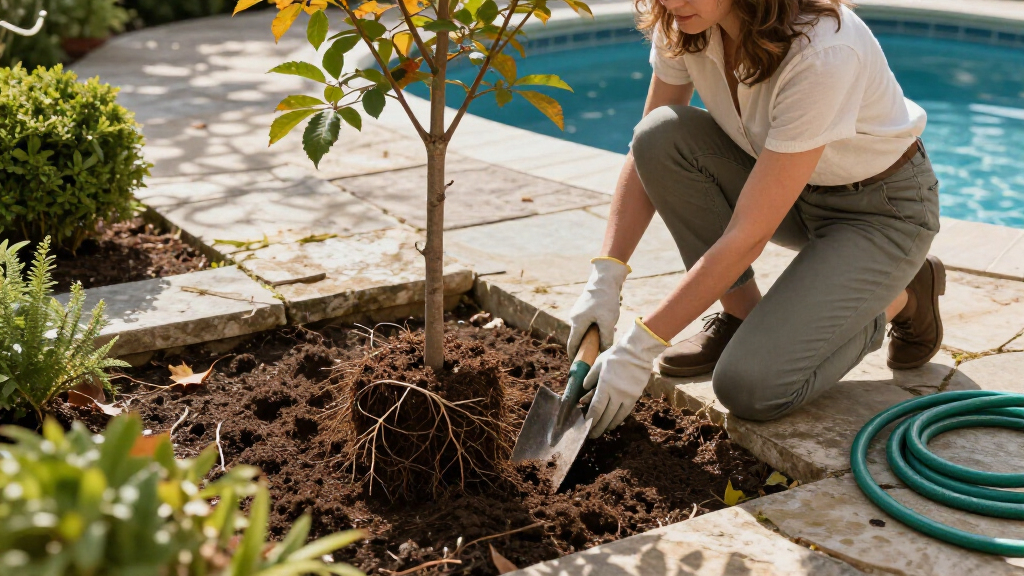
The report says roots that grow around the inside of a nursery pot may keep circling after planting if they are not loosened and redirected. Over time, that pattern can contribute to stunted growth, reduced access to nutrients or roots constricting the trunk, a condition known as girdling. It recommends checking the root system before planting, loosening soil around the roots and spreading healthy roots outward. Large, tightly circling roots may need to be cut, according to the report.
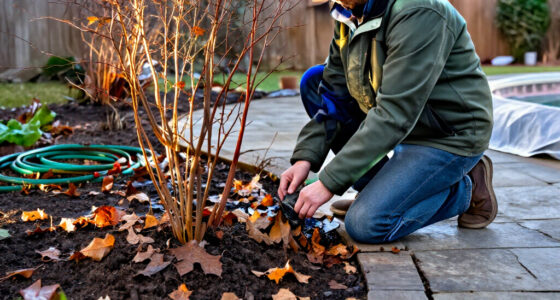
A second risk is burying the plant too deeply. The root flare—where the trunk widens into the roots—should remain visible at or slightly above ground level. The report advises clearing away soil and mulch at the base to locate the flare, then digging a hole that is wider than the root ball but not deeper. Firm soil beneath the plant can help prevent it from settling lower over time.
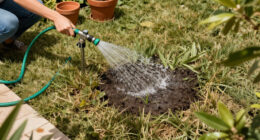
New trees and shrubs also need thorough watering at planting and regular checks while roots establish. Rather than assuming rainfall is sufficient or following an unvarying schedule, the report says to check soil near the root ball and water slowly and deeply if it is drying. Soil should be moist, not waterlogged. For mulch, it recommends a two- to three-inch layer spread over the root zone, with a gap around the trunk so mulch does not cover the flare or touch the bark.
How Planting Choices Affect Establishment
These errors can affect a plant long after the planting itself is finished. Roots left circling may fail to spread normally or may eventually constrict the trunk. A buried root flare can leave bark exposed to unsuitable conditions and make it harder to recognize planting depth problems. Too little or too much water can also interfere with establishment, while mulch against bark can retain moisture and provide shelter for pests, the report says.
The practical point is that early inspection and care can reduce avoidable stress: check the roots before planting, locate the flare, monitor soil moisture and keep mulch clear of the trunk. The report offers general gardening guidance, not a guarantee that following these steps will prevent every later plant problem.
Products Worth Considering

AMERLIFE 34 x 10 x 7 ft Walk-In Tunnel Greenhouse with Watering System

Husqvarna Automower 550 Commercial Robotic Lawn Mower

Traeger Pro 22 Wood Pellet Grill and Smoker, 572 sq. in.
As an affiliate, we earn on qualifying purchases.
Why Fall Can Suit New Plantings
The report describes fall as a potentially suitable planting season because cooler weather can make outdoor work more comfortable and warm soil may give roots time to settle before winter. Those conditions do not remove the need for correct planting depth and ongoing care. In particular, the report cautions against treating rain as a substitute for checking moisture at the root ball.
Its recommendations center on four specific practices rather than a single seasonal schedule: prepare roots that are circling, keep the root flare visible, water according to soil condition, and apply mulch in a shallow, even layer. The article does not provide region-specific planting dates or instructions for particular tree and shrub species.
“The root flare should be visible at or slightly above the soil line.”
— Country Living report
Limits of the Planting Guidance
The supplied report does not specify a publication date, geographic region, climate conditions or tree and shrub species. It also does not quantify how often these mistakes occur or how many years a plant might be affected. Its guidance is general; the right planting and watering approach can vary with local conditions and the plant.
The report describes possible consequences, not outcomes that will occur in every case. It does not establish that any one mistake inevitably causes long-term damage, nor does it provide a diagnostic method for plants already showing stress.
Checks to Make After Planting
For gardeners planting this fall, the report’s next steps are hands-on: inspect roots before setting the plant in the ground, find the root flare, keep the hole no deeper than necessary, and check soil moisture near the root ball after planting. Apply mulch over the root zone while leaving the trunk and flare uncovered.
As plants establish, gardeners can continue checking soil conditions rather than relying only on rainfall or a calendar. For questions about a particular species, site or struggling plant, the report does not give tailored advice; readers may need guidance from a local horticulture service or qualified arborist.
Key Questions
What are the four fall planting mistakes in the report?
They are leaving circling roots untreated, planting too deeply, not providing enough water during establishment and piling mulch against the trunk.
How should mulch be placed around a newly planted tree?
The report recommends spreading a two- to three-inch layer over the root zone and leaving a gap between the mulch and trunk. The root flare should remain visible.
How can I tell when a new tree or shrub needs water?
Check the soil near the root ball. According to the report, water slowly and deeply if it is drying out, and wait if it is still wet. The aim is moist soil, not waterlogged soil.
How deep should the planting hole be?
The report says to dig a hole wider than the root ball but not deeper, with the root flare visible at or slightly above the soil line. It also recommends firm, undisturbed soil at the bottom so the plant does not sink.
Source: countryliving.com