
TL;DR

Get pool and patio gear delivered free with Prime
- Fast, free delivery on millions of items
- Prime Video, Amazon Music and more included
- Member-only deals all year
Amateur Gardening reports that the Royal Horticultural Society is encouraging gardeners to plant some trees, shrubs, climbers and woody perennials in autumn rather than waiting for spring. The seven suggestions include lavender, common yarrow and field maple, but their suitability depends on local conditions, and the source does not establish that planting them will guarantee resilience to future heat.
The Royal Horticultural Society (RHS) is urging gardeners to consider planting some trees, shrubs, climbers and woody perennials in autumn rather than waiting until spring, according to a report by Amateur Gardening. The advice comes amid concern about hotter, drier summers; seven suggested plants include ferns, lavender, common yarrow and field maple, though the list is guidance rather than a guarantee that any plant will withstand future extremes.
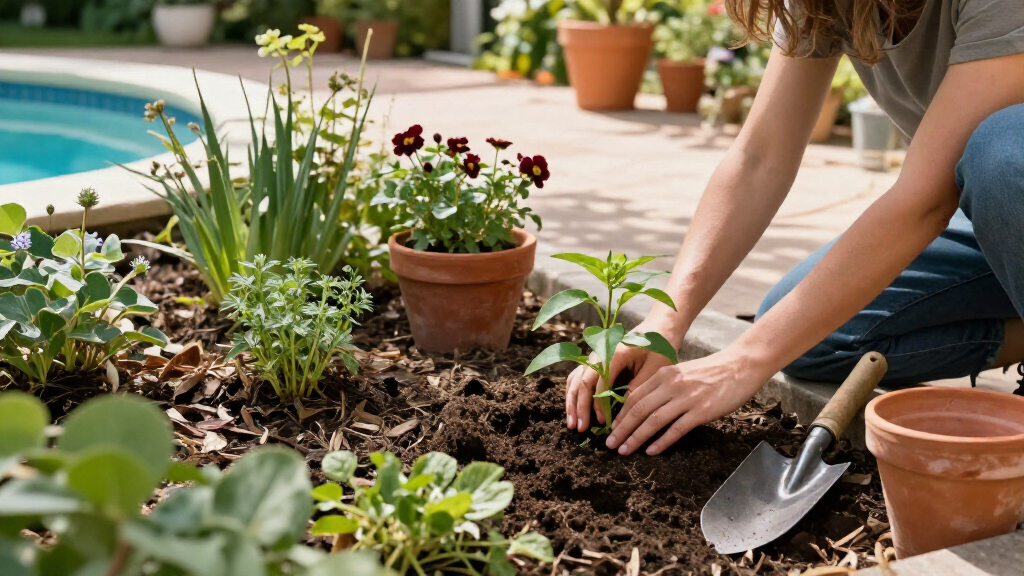
The report says autumn can give plants time to develop roots while soil is still warm and temperatures are cooler. It describes autumn rainfall as more reliable than summer conditions and says established roots may help plants cope with later heat. Planting conditions vary, however, and the report does not provide comparative trial results or a watering plan for newly planted specimens.
The seven recommendations are hardy outdoor ferns, wisteria, English lavender, Achillea millefolium (common yarrow), garden geraniums, verbena and field maple. The report describes lavender and yarrow as drought-tolerant, while noting that lavender needs sun and well-drained soil, much like other plants suited to fall gardens. It says field maple prefers fertile, well-drained soil and can grow in sun or light shade.
Other plants on the list have distinct requirements. Wisteria is a vigorous climber suited to full sun and well-drained soil; verbena can reach about 2 metres and provides nectar for pollinators in autumn. The report says the geranium variety ‘Orion’ can grow in a range of soils, including heavy clay. Gardeners should check the needs of a specific variety and their local conditions before planting.
Why Autumn Planting May Help
The recommendation changes the timing of garden preparation: instead of making spring the default planting season, gardeners are being encouraged to use autumn for plants that can establish before the next summer. If roots develop while conditions are cooler and soil moisture is available, plants may be better placed to cope with heat later. That is the report’s rationale, not a stated guarantee of survival.
The advice also points to a practical pressure on gardeners: prolonged heat and dry spells can stress plants and reduce soil moisture. Choosing species suited to a site may help reduce dependence on frequent watering, but the article does not quantify water savings or claim that these seven plants will remove the need to irrigate. Newly planted plants still need appropriate care, especially if autumn is dry.
Products Worth Considering

14 Pcs Polycarbonate Greenhouse Panels, 6' x 2' x 0.24'' Twin-Wall Panels, Polycarbonate Sheet for All Weather Outdoor Garden and Greenhouse

Orbit B-hyve XR 16-Zone Indoor/Outdoor Smart Sprinkler Timer

Husqvarna 130L Gas String Trimmer, 18-Inch
As an affiliate, we earn on qualifying purchases.
The Case for Planting Before Spring
Amateur Gardening frames the recommendations around a shift in planting habits as extreme heat and drought become more common. It reports that the Met Office described summer 2026 as the UK’s hottest summer on record to that date, and says the season reduced soil moisture and stressed plants. Those statements are attributed to the report; the supplied material does not include the Met Office data or a separate RHS statement.
Autumn planting is presented as a way to use cooler weather and rainfall to support root establishment before spring growth. The report’s list ranges from flowering perennials and a climber to a medium-sized tree, so it is not a one-size-fits-all planting plan. Local climate, soil drainage, available space and the needs of each species remain relevant.
“The RHS believes Autumn might be a better time to start planting some species of plants.”
— Amateur Gardening, summarising the RHS position
Limits of the Planting Advice
The material does not specify which regions or garden conditions the recommendations are intended for, nor does it give evidence comparing autumn-planted plants with spring-planted ones. It also does not quantify how much heat or drought any of the seven species can tolerate. The claim that autumn establishment may help plants withstand hot weather should be treated as general advice, not a measured outcome for every garden.
Some details need care: the list groups plants with different soil, light and space requirements, and the report’s broad resilience framing does not mean all seven are suitable everywhere. The supplied text also does not include direct comments from the RHS or the underlying Met Office figures. How future weather will affect particular gardens remains uncertain.
Plan for Local Autumn Conditions
Gardeners considering the list can check the planting requirements of each species against their soil, sunlight, drainage and available space, then plant when local conditions are suitable. The report’s advice is to allow time for roots to establish before the first frost; it does not give a precise planting date or guarantee adequate rainfall. Newly planted specimens may still need watering if conditions turn dry.
The next relevant test will be how plants perform through winter and the following summer. The source provides no scheduled follow-up, trial results or additional RHS guidance. Readers seeking site-specific advice should consult current RHS guidance and local gardening specialists.
Key Questions
Which seven plants does the report recommend?
The list is hardy outdoor ferns, wisteria, English lavender, common yarrow, garden geraniums, verbena and field maple. Their growing conditions differ, so the list is not a recommendation to plant all seven in every garden.
Why plant in autumn instead of waiting for spring?
The report says cooler temperatures, remaining soil warmth and autumn rainfall may give roots time to establish before spring growth. Conditions vary by place and year, and the advice does not guarantee that plants will cope with later heat.
Are all seven plants drought-tolerant?
No. The report specifically describes lavender and common yarrow as drought-tolerant, but does not make the same claim for every plant on the list. Even drought-tolerant plants need suitable growing conditions and may need care while establishing.
What should gardeners check before planting?
Check each plant’s requirements for sunlight, soil, drainage and space. For example, the report says lavender prefers sunny, well-drained conditions, while field maple can grow in sun or light shade in fertile, well-drained soil.
Source: amateurgardening.com