
TL;DR

Get pool and patio gear delivered free with Prime
- Fast, free delivery on millions of items
- Prime Video, Amazon Music and more included
- Member-only deals all year
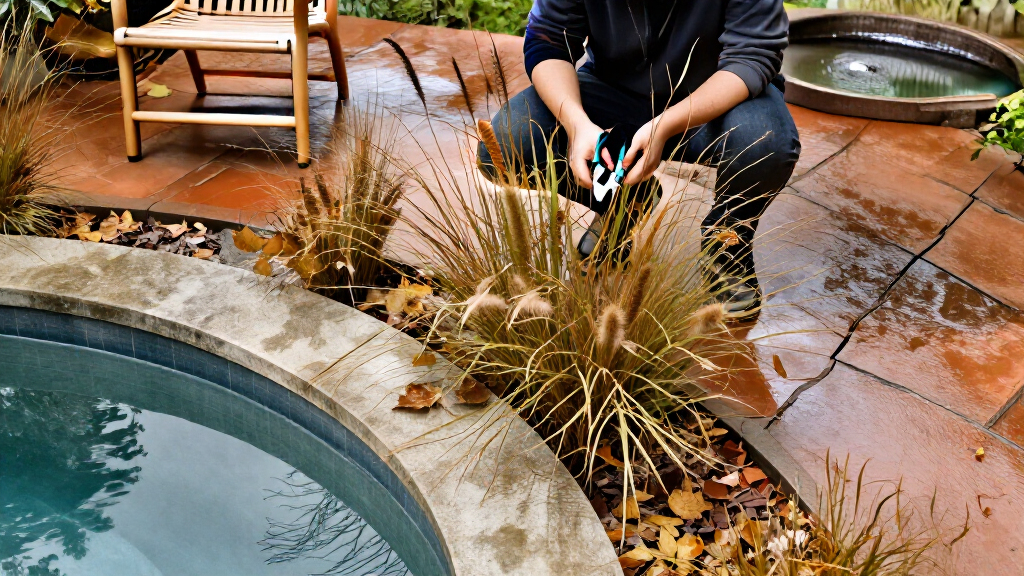
A Homes & Gardens report advises gardeners to leave seven plants uncut in October, including sedum, ornamental grasses, coneflowers and lilyturf. The cited experts say standing stems can protect plant crowns and provide food or shelter for wildlife; exact spring cutback timing depends on the plant and local conditions.
A Homes & Gardens report says gardeners should leave seven plants uncut in October, rather than clearing their faded stems before winter, as explained in this guide to October pruning. Horticulture and landscape-design experts cited by the publication say standing growth can shield plant crowns from cold and provide winter food or shelter for wildlife; the report recommends pruning in spring, with timing varying by plant.
The seven plants named are sedum, ornamental grasses, coneflowers, lilyturf, hydrangeas, lavender and Russian sage. The source gives specific advice for the first four in the material provided: defer cutting sedum and coneflowers to preserve their structure, leave ornamental grasses until late March or early April after frost risk has passed, and wait to trim lilyturf until signs of new growth appear in spring.
Shannon Barnette, horticulture manager at The Dawes Arboretum, says leaving sedum standing can help protect its crown from harsh winter temperatures and late spring frosts. For coneflowers, she points to the value of seed heads for birds and hollow stems as winter habitat for pollinators. The report names goldfinches, chickadees and juncos among birds that feed on coneflower seeds.
Landscape designer Lee Miller advises against cutting ornamental grasses in fall because cold and snow can damage the plant’s center. She recommends cutting them in late March or early April, once frost danger has passed and before new growth appears. For lilyturf, also called monkey grass or Liriope, Miller advises waiting until spring growth begins, then cutting foliage to about one or two inches above the ground.
Winter Cover for Plants and Wildlife
Leaving some garden growth in place has two practical effects: it can offer protection for plant crowns and retain food and shelter for wildlife. Removing stems too early may expose roots or crowns to freezing conditions, while seed heads and hollow stems can remain useful to birds and overwintering insects.
The advice also challenges the impulse to make a garden look tidy as autumn ends. It does not mean every plant should be left untouched: the source says October pruning can be appropriate for other plants and tasks. The decision depends on the species, its winter needs and local weather, so gardeners should identify plants before cutting them back.
As an affiliate, we earn on qualifying purchases.
How Spring Pruning Is Timed
The report frames October as a period when gardeners may be preparing yards for winter, but cautions against applying the same cleanup approach to all perennials. Some plants benefit from keeping faded growth until spring, when the risk of frost has eased or new growth makes the right moment to prune easier to recognize.
Barnette says her practice is to wait until spring temperatures have stayed above 50 degrees for a week before spring cleanup and cutbacks, allowing overwintering pollinators time to emerge. Miller gives a different, plant-specific guide for grasses: late March or early April, after frost danger and before fresh growth. These are expert recommendations cited by the publication, not a single calendar rule for every climate.
“Holding off on cutting back can protect the crown of the plant from harsh winter temperatures, as well as late spring frosts that could damage new plant tissues.”
— Shannon Barnette
Local Conditions Shape the Advice
The source material identifies seven plants but provides detailed expert guidance only for sedum, ornamental grasses, coneflowers and lilyturf. It does not include the specific expert explanations or cutback timing for hydrangeas, lavender and Russian sage, so those details cannot be established from the supplied report excerpt.
Pruning dates also depend on local frost patterns and plant variety. The report notes that ornamental grasses have different winter needs and advises researching the specific type. Its general guidance should not be treated as a guarantee that every plant in every climate will benefit from the same schedule.
Wait for Spring Growth Signals
Gardeners following the report’s advice can leave the listed plants standing through winter, then reassess as temperatures rise and frost risk declines. For lilyturf, Miller recommends waiting for the first signs of new growth before cutting foliage back. For ornamental grasses, she points to late March or early April in conditions where the threat of frost has passed.
Barnette’s temperature threshold offers another guide for spring cleanup, but local conditions remain relevant. Before pruning, gardeners should confirm the plant’s identity and check its particular needs rather than treating October as a universal cutback deadline.
Key Questions
Which seven plants does the report recommend leaving uncut in October?
The report names sedum, ornamental grasses, coneflowers, lilyturf, hydrangeas, lavender and Russian sage. The supplied source details specific reasons and timing for only the first four.
Why leave coneflowers standing through winter?
Their seed heads can provide food for birds such as goldfinches, chickadees and juncos, while hollow stems can offer shelter for overwintering pollinators, according to the experts cited by Homes & Gardens.
When should ornamental grasses be cut back?
Landscape designer Lee Miller recommends waiting until late March or early April, after the threat of frost has passed and before new growth appears. Timing may differ by location and grass variety.
When should lilyturf be pruned?
Miller advises leaving lilyturf, also called Liriope or monkey grass, intact over winter. Once new growth appears in spring, she recommends cutting it to about one or two inches above the ground.
Does the advice mean nothing should be pruned in October?
No. The report’s advice applies to the plants it lists and says fall pruning can still be appropriate for other garden jobs. Check the needs of each plant and local conditions before cutting.
Source: rss
Halloween Picks
halloween
As an affiliate, we earn on qualifying purchases.