
TL;DR

Get pool and patio gear delivered free with Prime
- Fast, free delivery on millions of items
- Prime Video, Amazon Music and more included
- Member-only deals all year
Basil tends to bolt when exposed to high temperatures or stress, causing it to flower and stop leaf production. Gardeners can manage this by selecting heat-tolerant varieties and proper cultivation practices.
Basil plants tend to bolt, or produce flowers prematurely, when exposed to high temperatures or stress, which reduces leaf yield and flavor. This phenomenon is common among gardeners seeking a continuous supply of basil leaves, especially during warm months. Experts say understanding the causes and implementing preventive measures can help gardeners maintain productive basil plants throughout the season.
According to recent gardening guidance, basil bolts primarily due to environmental stressors such as prolonged heat, drought conditions, or inconsistent watering. When basil senses stress, it shifts energy from leaf production to flowering and seed setting, leading to a decline in leaf quality and quantity.
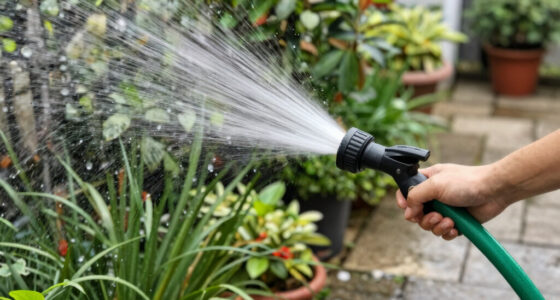
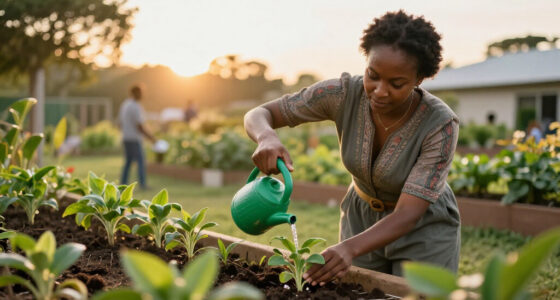
Gardeners are advised to select heat-tolerant basil varieties like ‘Genovese’ or ‘Spicy Globe’ to reduce bolting risk. Additionally, providing consistent watering, mulching to retain soil moisture, and planting basil in partially shaded areas can help mitigate stress-induced flowering.
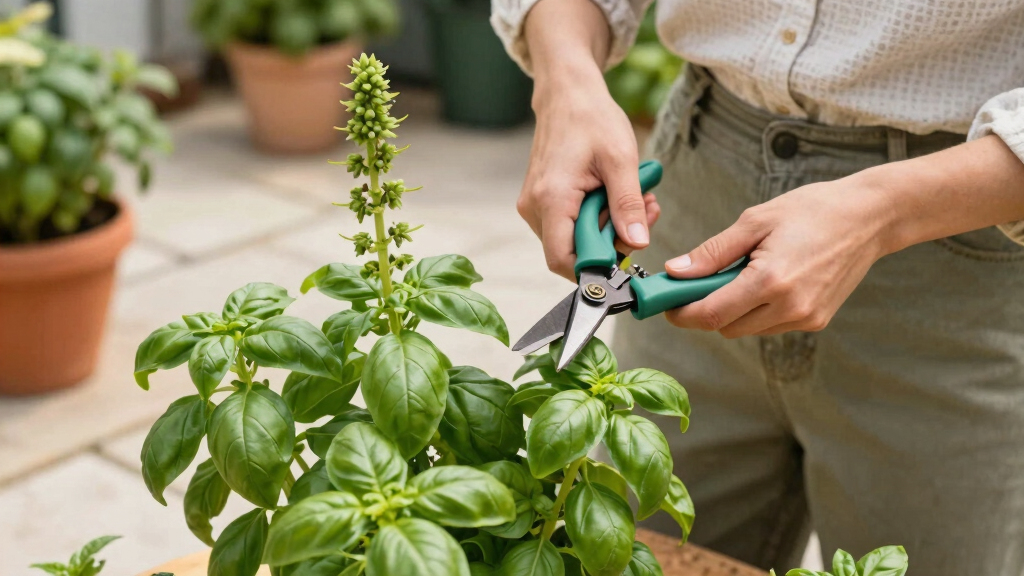
Pruning basil regularly to remove flower buds can also delay bolting, allowing the plant to produce more leaves. Some experts suggest harvesting basil frequently, which encourages bushier growth and prolongs leaf production.
Impacts of Basil Bolting on Garden Harvests
The tendency of basil to bolt directly affects gardeners’ ability to harvest fresh leaves, which are prized for their flavor and culinary uses. Once basil flowers, the leaves often become bitter and less desirable, reducing overall yield and quality.
Understanding bolting is especially important for commercial growers and home gardeners aiming for continuous harvests. Preventing early flowering ensures a longer season of usable basil, saving time and resources while maximizing flavor and aesthetic appeal.
As an affiliate, we earn on qualifying purchases.
Environmental Factors and Basil Growth Patterns
Basil is a warm-season herb that thrives in temperatures between 70°F and 85°F. However, when temperatures exceed this range or fluctuate suddenly, the plant perceives stress signals that trigger bolting. This response is a natural survival mechanism to ensure seed production before adverse conditions kill the plant.
Historically, gardeners have observed increased bolting during heatwaves or drought periods, prompting recommendations for better cultural practices. Recent research emphasizes the importance of selecting appropriate varieties and managing environmental stressors to extend basil’s productive period.
“Choosing heat-tolerant basil varieties and maintaining consistent moisture are key strategies to prevent early bolting.”
— Dr. Lisa Hart, horticulturist
Unconfirmed Factors and Ongoing Research on Bolting
While environmental stress is confirmed as a primary cause of basil bolting, the specific genetic mechanisms and how different varieties respond at a molecular level are still under study. It is not yet clear whether all basil cultivars react similarly to stressors or if new breeding techniques could produce completely bolt-resistant strains.
Additionally, the impact of changing climate patterns on long-term bolting trends remains an area of active research, with some uncertainties about how future conditions might influence basil growth cycles.
Future Strategies for Managing Basil Bolting
Researchers are exploring breeding programs aimed at developing basil varieties with enhanced heat tolerance and delayed flowering. Meanwhile, gardeners are encouraged to adopt best practices such as mulching, selective pruning, and choosing appropriate planting times to mitigate bolting.
Further studies are expected to clarify the genetic basis of bolting and identify new cultural techniques for longer-lasting basil crops, especially as climate variability increases.
Key Questions
How can I prevent basil from bolting in my garden?
Maintain consistent watering, plant in partial shade during hot periods, prune regularly to remove flower buds, and select heat-tolerant varieties to delay bolting.
Does harvesting basil early help prevent bolting?
Frequent harvesting can encourage bushier growth and delay flowering, but it is most effective when combined with other practices like pruning and environmental management.
Are there basil varieties that are less prone to bolting?
Yes, some varieties such as ‘Spicy Globe’ and ‘Genovese’ are known to be more heat-tolerant and less likely to bolt prematurely.
Can I grow basil indoors to avoid bolting?
Growing basil indoors in controlled conditions can reduce stress-related bolting, especially during peak heat months, but proper lighting and watering are essential.
What are the signs that my basil is about to bolt?
Early signs include the emergence of flower stalks, increased stem elongation, and a bitter taste in the leaves. Removing flower buds promptly can help prolong leaf production.
Source: rss
Halloween Picks
halloween
As an affiliate, we earn on qualifying purchases.