
TL;DR

Get pool and patio gear delivered free with Prime
- Fast, free delivery on millions of items
- Prime Video, Amazon Music and more included
- Member-only deals all year
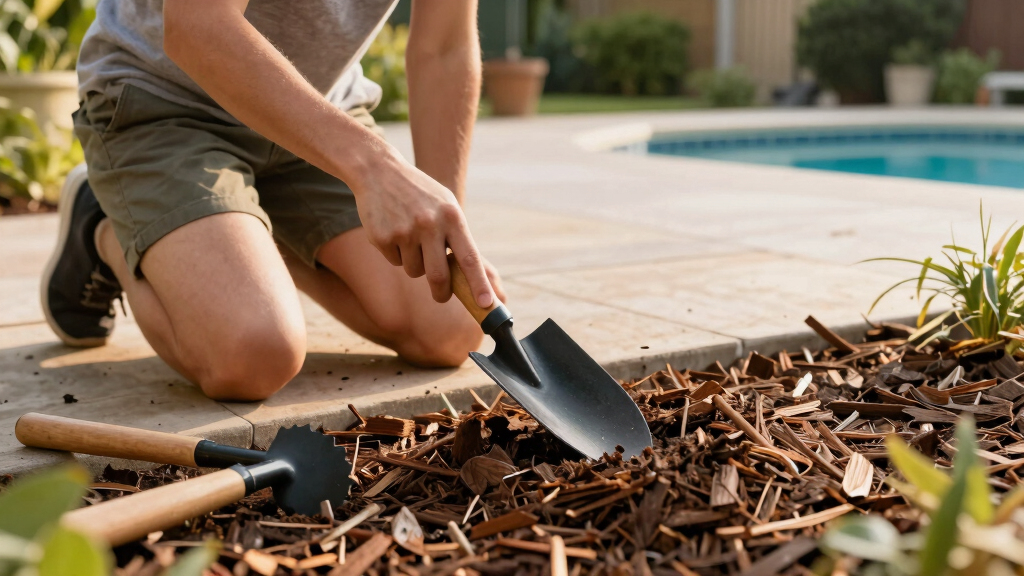
Gardeners often wonder if they need to reapply mulch during midsummer. Experts recommend inspecting mulch for signs of compaction, decomposition, or exposure to decide if topping up is necessary. Proper maintenance helps protect plants and conserve soil moisture.
Gardeners are questioning whether they need to reapply mulch during midsummer. Experts advise inspecting existing mulch for signs of degradation, such as compaction or exposure, to decide if topping up is necessary. Proper mulch maintenance during this period helps conserve soil moisture and protect plants from heat stress.
According to horticultural specialists, reapplying mulch in midsummer is not always necessary. Instead, gardeners should evaluate the condition of their current mulch layers. Signs that indicate a need for topping up include exposed soil, significant compaction, or decomposed mulch. If mulch has become thin or scattered, adding a new layer can help maintain its benefits, such as moisture retention and weed suppression.
Experts recommend inspecting mulch at least once during midsummer, especially during periods of intense heat or drought. The ideal mulch layer should be about 2-3 inches thick. If it has thinned below this, a light top-up can be beneficial. However, over-mulching can suffocate plant roots or promote fungal growth, so moderation is key.
Gardeners are advised to use organic mulch materials like wood chips, bark, or straw for best results. When topping up, it’s best to gently loosen the existing mulch to improve aeration before adding a fresh layer. Watering the mulch after application helps it settle and enhances its effectiveness.
Why Proper Mulch Maintenance in Midsummer Matters
Maintaining appropriate mulch levels during midsummer is crucial for protecting plants from heat stress, reducing water loss, and preventing weed growth. Proper mulch management can also improve soil health over time and reduce the need for watering and chemical interventions, saving gardeners time and resources. Ignoring mulch deterioration can lead to increased plant stress and higher irrigation costs, especially during dry spells.
As an affiliate, we earn on qualifying purchases.
Understanding Mulch Use and Its Seasonal Role
Mulch has long been used by gardeners to conserve soil moisture, regulate temperature, and suppress weeds. Typically, mulch is reapplied or topped up in early spring or fall, but midsummer maintenance is often overlooked. Recent advice from horticultural experts emphasizes the importance of monitoring mulch condition throughout the growing season, especially during periods of high heat and drought. This guidance aligns with broader efforts to promote sustainable gardening practices and water conservation during increasingly variable climate conditions.
“Inspect your mulch regularly during midsummer. If it’s thin or exposed, a light top-up can make a big difference in keeping your plants healthy.”
— Jane Smith, horticulturist at GreenGrow Garden Center
Unclear Factors in Midsummer Mulch Reapplication
It is not yet confirmed whether all types of mulch require topping up during midsummer, as the need depends on local climate, mulch material, and garden conditions. Some experts suggest that organic mulch decomposes faster in hot weather, but specific guidelines for different mulch types are still evolving. Additionally, the optimal thickness for topping up during midsummer remains a subject of debate among horticulturists.
Next Steps for Gardeners Considering Mulch Maintenance
Gardeners should conduct a visual inspection of their mulch layers at least once during midsummer, paying attention to signs of wear or exposure. Consulting local gardening resources or horticultural experts can provide tailored advice based on regional climate. As summer progresses, monitoring plant health and soil moisture will help determine if additional mulch or watering is needed. Ongoing research may refine guidelines for mulch maintenance in future seasons.
Key Questions
How can I tell if my mulch needs topping up?
Look for exposed soil, mulch that has decomposed or become thin, and signs of compaction. If the mulch layer is less than 2 inches thick or scattered, a top-up can help.
What type of mulch is best for midsummer maintenance?
Organic mulches like wood chips, bark, or straw are recommended because they decompose slowly and improve soil health. Always choose mulch suited to your garden’s plants and climate.
Can I over-mulch in midsummer?
Yes, applying too much mulch can suffocate roots or promote fungal issues. Maintain a layer of about 2-3 inches and avoid piling mulch directly against plant stems.
Is it better to add new mulch or refresh existing layers?
In most cases, refreshing existing mulch by topping up is sufficient. Remove any old or decomposed material before adding a new layer to ensure proper aeration and effectiveness.
When should I reapply mulch in the year?
Typically, mulch is reapplied in early spring and fall. Midsummer maintenance is more about inspecting and topping up if necessary, rather than full reapplication.
Source: rss
Columbus Day / Indigenous Peoples' Day Picks
long weekend sales
As an affiliate, we earn on qualifying purchases.