
TL;DR

Get pool and patio gear delivered free with Prime
- Fast, free delivery on millions of items
- Prime Video, Amazon Music and more included
- Member-only deals all year
Homes & Gardens published an October 2026 guide naming seven plants that may need pruning or seasonal cutbacks. The advice is conditional: timing depends on frost, plant type and local climate, and some plants—including fall-fruiting raspberries—should not be pruned in October.
Homes & Gardens published an October 2026 gardening guide advising readers to consider seasonal pruning for seven plants, including asparagus, dahlias, raspberries, catmint and hostas. The recommendations are not a blanket instruction to cut everything back: the guide ties timing to frost, plant condition and variety, and says fall-fruiting raspberries should be left unpruned until late winter.
For asparagus, the guide says to wait until the fern-like foliage has naturally turned yellow or brown, often after the first frost, then cut the stems to ground level and remove the debris. The foliage is left to grow after harvest because it helps the plant store energy in its roots for the next season. The article says removing dead stems also reduces places where asparagus beetles can overwinter; it does not provide research or a quantified estimate of pest reduction.
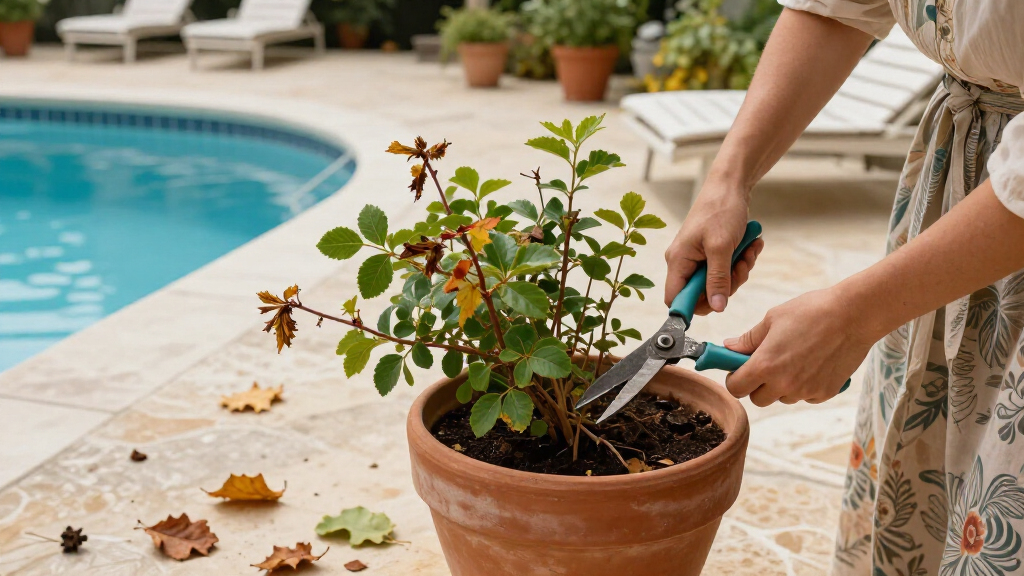
Dahlias are described as tender plants. The guide recommends cutting their stems to about six inches above the ground after the first frost, when the stems blacken, then lifting tubers in colder regions. It advises drying them in a frost-free place before storage and checking for rot. Whether tubers can remain in the ground depends on winter conditions and protection.
Raspberry pruning depends on the crop. The article says summer-fruiting varieties can be pruned after harvest by cutting out stems that fruited and thinning the new canes. By contrast, fall-fruiting varieties may still be producing fruit in October and should be left until late winter. Catmint can receive a light trim to remove floppy growth, while most old stems should remain for winter protection, according to the guide.
Pruning Depends on Plant Type
The practical consequence of the guide is that an October pruning job can help with seasonal cleanup, but an incorrect cut may remove growth a plant needs for next year. That distinction is especially clear with raspberries: summer-fruiting plants and fall-fruiting plants have different pruning schedules. Checking the variety before cutting can prevent gardeners from removing canes that are still producing or needed for the next crop.
Timing also matters for frost-sensitive dahlias and for plants whose foliage is still storing energy. The guide’s advice is useful as a seasonal prompt, not a guarantee that pruning will make every plant “better and stronger.” Results depend on growing conditions, plant health and local climate, and the source does not present trial data to support a universal outcome.
Products Worth Considering

Grezone Walk-In Greenhouse with Zippered Screen Doors and 6 Screen Windows, Heavy-Duty Plastic Plant Warm House, Reinforced Frame (12x7x7 ft
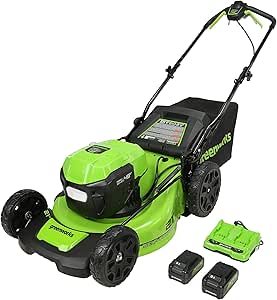
Greenworks 48V (24V x 2) 21-inch Self-Propelled Lawn Mower, Battery Kit

Husqvarna 120 Mark III Gas Chainsaw, 38-cc, 2-Cycle X-Torq Engine, 16 Inch Bar
As an affiliate, we earn on qualifying purchases.
Frost and Growth Set the Timing
The source frames October as a changeover from summer growth to colder-weather preparation. It notes that temperatures can fall during the month and that frost timing varies across regions, including northern areas, the Great Plains and the mid-Atlantic. That variation means a calendar date alone cannot determine when every plant should be cut back.
Its plant-specific advice includes lightly trimming catmint to keep drooping stems off paths or lawns, while leaving most growth until spring. The supplied source excerpt also names hostas among the seven plants, but ends before giving their pruning instructions and does not show the complete list. Those missing details cannot be confirmed from the material provided.
Several Instructions Are Missing
The source excerpt does not include the full article: it ends during the hosta section and does not identify the remaining plants or provide their complete recommendations. This article therefore cannot verify all seven entries or summarize advice that is absent from the supplied material. The guide also gives no controlled evidence that following the schedule will make plants stronger, and local frost dates, soil conditions and plant varieties may change the appropriate timing.
For gardeners unsure about a cultivar or local conditions, it is not clear from this excerpt whether the publication offers region-specific guidance elsewhere. Readers should check plant labels, local extension services or other trusted regional gardening advice before making substantial cuts.
Check Plants Before Cutting
Before pruning, gardeners should identify the plant and, for raspberries, establish whether it is summer- or fall-fruiting. They can then check whether foliage has died back and whether a first frost has occurred, rather than treating October as a fixed deadline. Delay cuts where the guide advises waiting, particularly for fall-fruiting raspberries and catmint that only needs a light tidy-up.
As temperatures change, monitor local forecasts and inspect stored dahlia tubers during winter for signs of rot. The supplied source provides no further update or follow-up milestone; the immediate next step is to apply the recommendations selectively and verify any missing plant-specific instructions against reliable local guidance.
Key Questions
Should all raspberries be pruned in October?
No. The guide says summer-fruiting raspberries can be pruned after harvest, while fall-fruiting varieties may still be cropping and should wait until late winter.
When does the guide recommend cutting back asparagus?
Wait until the fern-like foliage has naturally turned yellow or brown, often after the first frost, then cut it to ground level and clear away the debris.
When should dahlias be cut back and lifted?
The guide recommends waiting until after the first frost, when stems turn black. In colder regions, cut stems to about six inches and lift the tubers for drying and frost-free storage.
How much should catmint be trimmed in October?
The advice is to remove only a few inches of troublesome, floppy growth. Leave most stems in place for winter protection and do a fuller prune in spring.
Does the source provide instructions for all seven plants?
No. The supplied excerpt cuts off during the hosta section and does not include the complete list or all seven sets of instructions. The missing recommendations cannot be verified from the material provided.
Source: rss