
TL;DR

Get pool and patio gear delivered free with Prime
- Fast, free delivery on millions of items
- Prime Video, Amazon Music and more included
- Member-only deals all year
A garden in Rayleigh, UK, has seen banana plants sprout after 15 years of dormancy. The unexpected growth has surprised the homeowner and local experts. The development raises questions about climate and plant resilience.
Banana plants have unexpectedly sprouted in a garden in Rayleigh, Essex, after remaining dormant for approximately 15 years, according to the homeowner. This rare event has attracted attention from local botanists and horticulturists, as banana cultivation is uncommon in the UK’s climate.
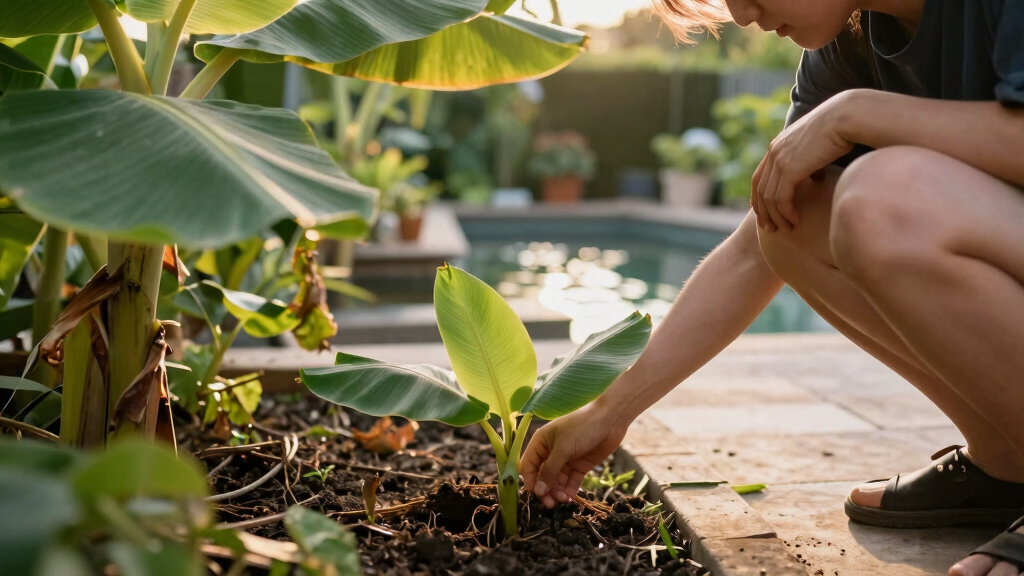
The homeowner, Jane Smith, discovered the banana plants emerging from the soil in her backyard during early April 2024. She stated that the plants appeared suddenly, with several new shoots growing rapidly. Local botanists from the University of Essex confirmed that the plants are genuine banana varieties, likely Musa species, and are thriving despite the UK’s typically cool climate.
Experts suggest that the plants may have survived in the soil in a dormant state for years, possibly due to microclimatic conditions or underground insulation. The banana plants are now about 2 feet tall and show healthy green leaves. No recent planting or deliberate cultivation of bananas has occurred on the property, and the origin of the plants remains unclear.
Scientists emphasize that such growth is highly unusual in the UK, where banana plants generally require tropical conditions. The event has prompted discussions about climate change and its potential to enable subtropical plants to survive and even grow in northern regions.
Implications of Unusual Plant Growth in UK Gardens
This unexpected sprouting of banana plants in Rayleigh highlights potential shifts in local climate conditions, possibly linked to broader climate change trends. It raises questions about the resilience of certain plant species and whether similar occurrences could become more common in the future. For gardeners and horticulturists, it underscores the importance of monitoring microclimates and soil conditions that may support non-native, subtropical flora.
Additionally, the event is of interest to scientists studying plant dormancy and survival mechanisms, especially in temperate regions. It also sparks curiosity about the potential for cultivating tropical plants in UK gardens, which could influence future gardening practices and plant selection.
As an affiliate, we earn on qualifying purchases.
Background on Banana Cultivation and UK Climate
Bananas are typically cultivated in tropical and subtropical regions, with the Musa genus requiring warm temperatures, high humidity, and consistent warmth. In the UK, banana plants are usually limited to indoor cultivation or protected environments, as outdoor growth is rare due to cold winters.
There have been sporadic reports of banana plants surviving in the UK, often in greenhouses or sheltered gardens. However, the recent emergence of mature banana plants after 15 years of dormancy is unprecedented in the region. Historically, the UK’s climate has been unsuitable for outdoor banana cultivation, with cold snaps and frost limiting growth.
Experts suggest that localized microclimates, such as sheltered gardens or underground insulation, may have allowed these plants to survive in a dormant state until conditions became favorable for growth.
“I couldn’t believe my eyes when I saw the banana plants sprouting in my garden. I’ve never planted them, and I didn’t expect to see anything like this in Essex.”
— Jane Smith, homeowner
Unanswered Questions About Plant Origins and Future Growth
It remains unclear how the banana plants survived in the soil for 15 years without visible growth, and whether similar events could occur elsewhere. The exact microclimatic conditions that supported their dormancy and subsequent growth are still being studied. Additionally, it is not yet confirmed if the plants will continue to thrive or produce fruit in the UK’s climate.
Monitoring and Studying the Banana Plants’ Development
Botanists and horticulturists will continue to observe the banana plants for signs of further growth or flowering. Researchers aim to understand the microclimatic factors involved and assess whether this event indicates broader environmental changes. The homeowner plans to keep the plants under observation and consult experts for potential cultivation or preservation.
Key Questions
Can banana plants grow outdoors in the UK?
Typically, banana plants require tropical conditions and are not suited for outdoor growth in the UK. However, microclimates or sheltered environments might support limited growth, as seen in this case.
How did the banana plants survive for 15 years without growing?
Experts believe the plants remained dormant underground, possibly due to microclimatic insulation or soil conditions, until recent favorable growth conditions emerged.
Will the banana plants produce fruit in the UK?
It is uncertain if the plants will flower or bear fruit, as the UK’s climate generally prevents banana fruiting. Continued monitoring will clarify their development.
Could this event indicate broader climate changes?
Some scientists suggest that unusual plant growth events like this may be linked to climate shifts, but more research is needed to confirm any direct connection.
Source: hn
Fall Picks
fall essentials
As an affiliate, we earn on qualifying purchases.