TL;DR

Get pool and patio gear delivered free with Prime
- Fast, free delivery on millions of items
- Prime Video, Amazon Music and more included
- Member-only deals all year
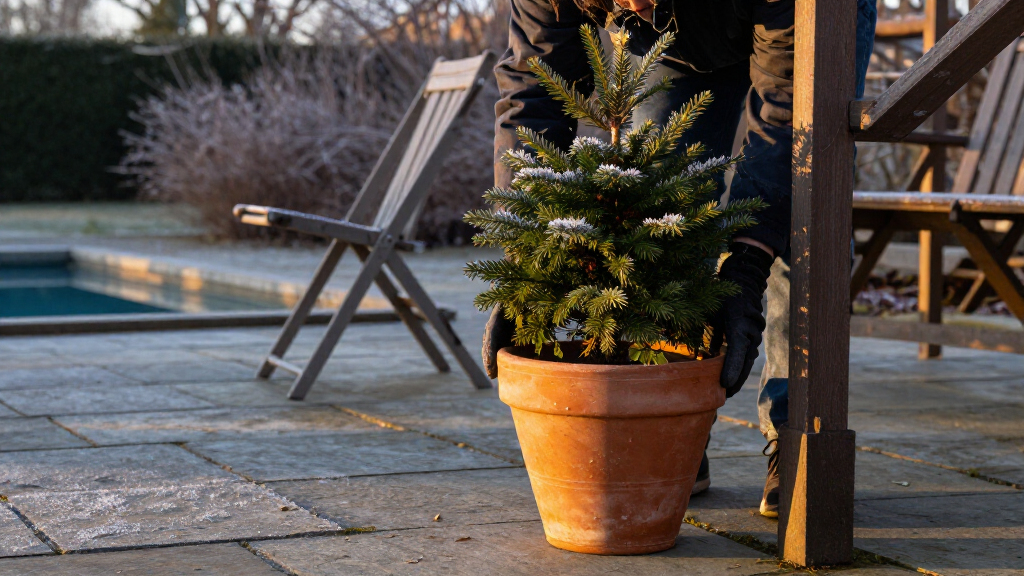
A Veranda gardening report says some hardy perennials and shrubs can remain outdoors in pots during winter, but success depends on plant hardiness, local conditions and the container. Tender plants may need to be stored or dug up, while outdoor pots need drainage and occasional watering during dry spells.
Some potted perennials and shrubs can stay outdoors through winter, but whether they survive depends on their cold hardiness, the local climate and the pot itself, according to a gardening report by Veranda. The guidance matters for gardeners deciding whether to move plants indoors, protect them outside or replace them in spring: soil in containers freezes and thaws faster than garden soil, putting roots at greater risk.
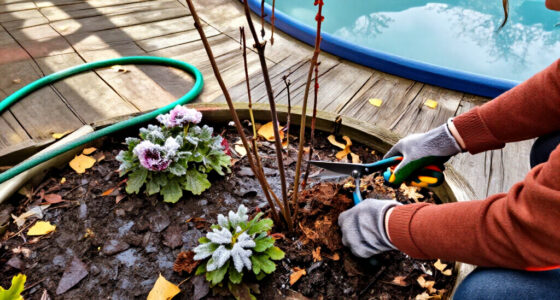
Annuals generally die after the first freeze, and tender perennials such as dahlias and canna lilies are unlikely to survive winter in pots in cold climates. The report recommends waiting until the first frost, cutting back dead foliage and storing the plants’ tubers for replanting, or moving the whole pot into an unheated space such as a garage or basement. In warmer climates, tender perennials may remain in pots, although the outcome depends on how severe the winter is.
For hardy perennials and shrubs, the report offers a rule of thumb: choose plants rated two hardiness zones colder than the gardener’s own zone for the best chance of overwintering in containers. A plant only one zone hardier than the local climate may need shelter in an unheated garage or basement. Another option is to bury a manageable pot in the ground up to its rim, then dig it up in spring.
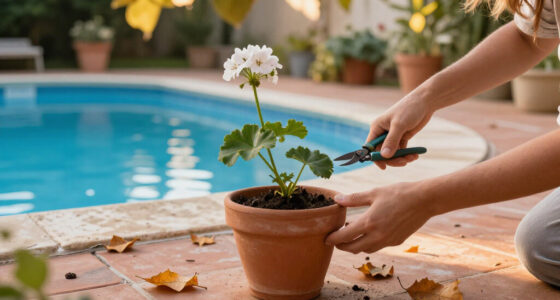
If moving or burying a container is not practical, placing it near a home—preferably against a south- or west-facing wall—may provide some radiant warmth. The report’s author also describes insulating pots with blankets or frost covers, while cautioning that this is not foolproof. During dormancy, gardeners should stop fertilizing, keep plants watered during dry spells without saturating the soil, and allow excess water to drain. Ceramic, terra-cotta and porcelain pots are more vulnerable to cold damage; wood, metal, composite and many plastic containers generally tolerate freezing better, though some plastics may split.
Cold Puts Roots and Pots at Risk
Leaving a plant outdoors is not just a question of whether its leaves can withstand cold. Container roots lack the insulation of surrounding ground, and repeated freezing and thawing can stress them. The report says this makes a plant that might survive in a garden bed less reliable in a pot, particularly if it is only marginally hardy for the area.
The decision also affects the container: a plant may survive while a brittle pot cracks or flakes. Checking both the plant’s hardiness and the pot’s material before winter can help gardeners avoid losing a plant or damaging a container. Even with precautions, the guidance does not promise survival; severe or unusually variable winter weather can change the outcome.
outdoor plant frost protection covers
As an affiliate, we earn on qualifying purchases.
As an affiliate, we earn on qualifying purchases.
Why Pots Freeze Differently
The report frames overwintering as a choice, not an obligation. Gardeners with limited space can treat some perennials as annuals and replace them the next year; it notes that plants grown as annuals in colder regions, including lantana and dusty miller, are perennials in warmer climates.
In the ground, surrounding earth helps keep roots warmer. In a pot, soil is exposed to colder air around the container and can pass through repeated freeze-thaw cycles. The report’s zone guideline is a general recommendation rather than a guarantee, and gardeners need to account for their own conditions and the plant’s specific hardiness.
““You should never feel you ‘must’ overwinter plants in containers.””
— Arricca Elin SanSone, Veranda gardening contributor
Survival Depends on Local Winter Conditions
No method guarantees that a potted plant will survive. The report says results depend on the plant, its hardiness relative to the local zone and winter severity; it also notes that predicting a harsh winter can be difficult. Some plastic pots may split despite being more freeze-tolerant than ceramic or terra-cotta, and the supplied guidance does not specify exact temperature thresholds, watering amounts or protection requirements for individual plant varieties. Gardeners should check plant-specific information and local conditions before deciding what to leave outside.
Prepare Containers Before Freezing Weather
Before sustained freezing weather, gardeners can identify which plants are tender and which are hardy enough for their area, then choose whether to store, bury or shelter each pot. They can also check that outdoor containers drain freely, raise them slightly on stable pot feet or a short stand, and move vulnerable pots closer to the house. For plants left outdoors, the report advises stopping fertilizer during dormancy and checking for dry soil during rainless periods, with particular attention to evergreens that continue to lose moisture in winter.
In spring, gardeners can assess which plants and containers made it through the season, clean and reuse recovered pots, and replace plants that did not survive. Outcomes will depend on the winter actually experienced, so the report’s recommendations are precautions rather than a forecast of which individual plants will make it.
Key Questions
Can hardy perennials stay in pots outside all winter?
Some can, but their odds depend on local conditions and their hardiness. The report recommends choosing plants rated two zones colder than the gardener’s zone for the best chance in containers.
What should I do with dahlias or canna lilies in a cold climate?
The report says tender perennials such as these generally will not survive winter in outdoor pots in cold climates. After the first frost, gardeners can cut back dead foliage and save the tubers, or move the entire pot into an unheated garage or basement.
Which pots are most likely to crack in winter?
Ceramic, terra-cotta and porcelain containers are more likely to be damaged by freezing conditions. Wood, metal, composite and many plastic pots generally handle freezes better, though some plastic containers can still split.
Should I water potted plants that stay outside?
Yes, the report says to water during dry spells, particularly for evergreens, but avoid waterlogged soil. Make sure the container drains freely and do not continue fertilizing plants while they are dormant.
Source: rss
Columbus Day / Indigenous Peoples' Day Picks
long weekend sales
As an affiliate, we earn on qualifying purchases.