TL;DR

Get pool and patio gear delivered free with Prime
- Fast, free delivery on millions of items
- Prime Video, Amazon Music and more included
- Member-only deals all year
A Homes & Gardens gardening report recommends protecting five frost-sensitive plants before freezing weather: tree ferns, tropical hibiscus, citrus, bananas and tender palms. Methods include insulating vulnerable crowns and trunks with frost cloth, burlap or dry organic material, but the right approach depends on plant type and local winter conditions.
Homes & Gardens has published advice on protecting five frost-sensitive garden plants before winter frosts arrive, recommending insulation for tree ferns, tropical hibiscus, citrus, bananas and tender palms. The guidance offers an outdoor alternative for gardeners who cannot move plants into a greenhouse or indoors, while stressing that methods depend on the species and local climate.
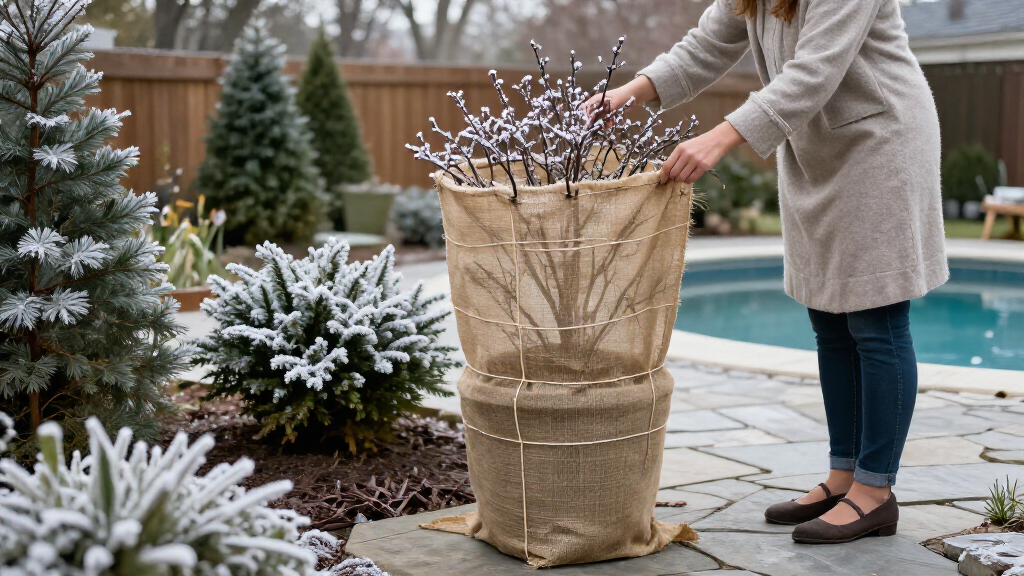
For tree ferns, the report says the crown—the plant’s growing point—is especially vulnerable to cold and wet. Its recommended approach is to tie the fronds together, pack the crown with straw or hessian, then wrap the trunk in frost cloth or burlap and secure it with string. The article says tree ferns can be lifted and overwintered in a greenhouse or frost-free location where space allows.
Tropical hibiscus can be moved indoors if grown in pots. For plants left outdoors in areas with light frosts, the article advises mulching around the roots, pruning by up to one-third and using thick frost cloth. It suggests setting up bamboo poles as a frame and fastening the cover to the ground to reduce exposure to cold drafts.
Citrus trees vary in hardiness, and the report says any citrus can suffer damage after brief exposure to temperatures around 25–28°F. Young trees need particular care. Potted trees can be moved indoors; others can be covered with frost cloth, burlap or a tree cover. For bananas, suggested measures range from frost cloth and burlap in milder climates to a chicken-wire enclosure packed with straw, leaves or fleece in colder areas. Tender palms need their fronds bundled and their crowns protected; the article warns against plastic wrapping because it can trap moisture and encourage mold.
Protecting Plants Before the First Frost
Frost protection can make the difference between a plant surviving outdoors and suffering damage to its leaves, trunk or growing point. The advice is relevant to gardeners who grow plants suited to warmer climates but cannot bring them inside for winter. It also highlights that one covering method does not fit every plant: tree fern crowns, hibiscus roots, young citrus and palm growing points each need different attention.
The report’s temperature guidance gives citrus growers a practical warning point, but it is not a guarantee that every tree will respond the same way. Plant age, variety, duration of cold and local conditions all affect risk. Gardeners should treat the numbers and hardiness-zone references as general guidance, not a substitute for checking the needs of their specific plants.
Products Worth Considering

Husqvarna 330LK Gas String Trimmer

Greenworks 40V 16-Inch Brushless Push Lawn Mower with 4.0 Ah Battery and Charger

CDCASA 20 x 10 x 10 ft Polycarbonate Greenhouse with 4 Vents
As an affiliate, we earn on qualifying purchases.
Five Plants Named in the Report
The Homes & Gardens article frames wrapping as an option for tender, tropical or subtropical plants that remain outdoors when temperatures fall. It identifies frost cloth, horticultural fleece and burlap as possible materials. For especially cold conditions, it describes adding insulation such as straw or leaves, rather than relying only on a thin cover.
The report also notes that hardiness differs within plant groups. Some citrus and palms tolerate more cold than others, and cold-hardy bananas may still need protection in the zones cited. It says tender palms generally require winter protection, while some hardy palms, including Trachycarpus, may overwinter outdoors in colder zones. These examples reinforce the article’s central point: check the plant’s variety and growing conditions before choosing a winter plan.
“The crown is the most delicate part.”
— Homes & Gardens
Local Conditions Shape Protection
The source does not give a single wrapping schedule or temperature threshold that applies to all five plant groups. It does not specify how long each type of cover should stay in place, or how gardeners should adjust protection during wet, windy or unusually mild periods. Local forecasts, plant variety, maturity and site exposure remain important factors.
The article’s recommendations are general gardening guidance, not a guarantee against frost damage. It does not provide experimental results comparing materials or specify the performance of every frost cloth or cover. The cited protection rating for a heavyweight row cover is a product-level example, not evidence that all frost cloth protects plants to the same temperature.
Prepare Covers Before Cold Arrives
The report advises gardeners to prepare protection before the first frost, rather than waiting until freezing weather is already forecast. That means checking which plants are vulnerable, deciding whether potted specimens can be moved indoors, and gathering breathable coverings and materials to secure them.
As temperatures fall, gardeners will need to follow local forecasts and inspect plants and coverings as conditions change. The article gives no later update or follow-up date; its immediate recommendation is to tailor protection to each plant and climate, with particular attention to crowns, roots and young trees.
Key Questions
Which plants does the report recommend wrapping?
It covers tree ferns, tropical hibiscus, citrus trees, bananas and tender palms. The level of protection depends on the plant and local winter conditions.
When should frost-sensitive plants be wrapped?
The Homes & Gardens report recommends preparing plants before the first frost. Gardeners should check local forecasts and avoid waiting until freezing temperatures arrive.
Can plastic be used to wrap palms?
The report advises against plastic because it can trap moisture and encourage mold. It recommends breathable options such as frost cloth or burlap.
Do all citrus trees need the same protection?
No. The report says citrus hardiness varies by type, and young trees are less hardy than older ones. It says citrus can suffer damage after brief exposure to about 25–28°F, while noting that individual conditions matter.
Can these plants be moved indoors instead of wrapped?
In some cases. The report says potted tropical hibiscus and citrus can be moved indoors, while tree ferns may be lifted and kept in a greenhouse or frost-free place if space is available. Wrapping is presented as an alternative when moving plants is not practical.
Source: homesandgardens.com