
TL;DR

Get pool and patio gear delivered free with Prime
- Fast, free delivery on millions of items
- Prime Video, Amazon Music and more included
- Member-only deals all year
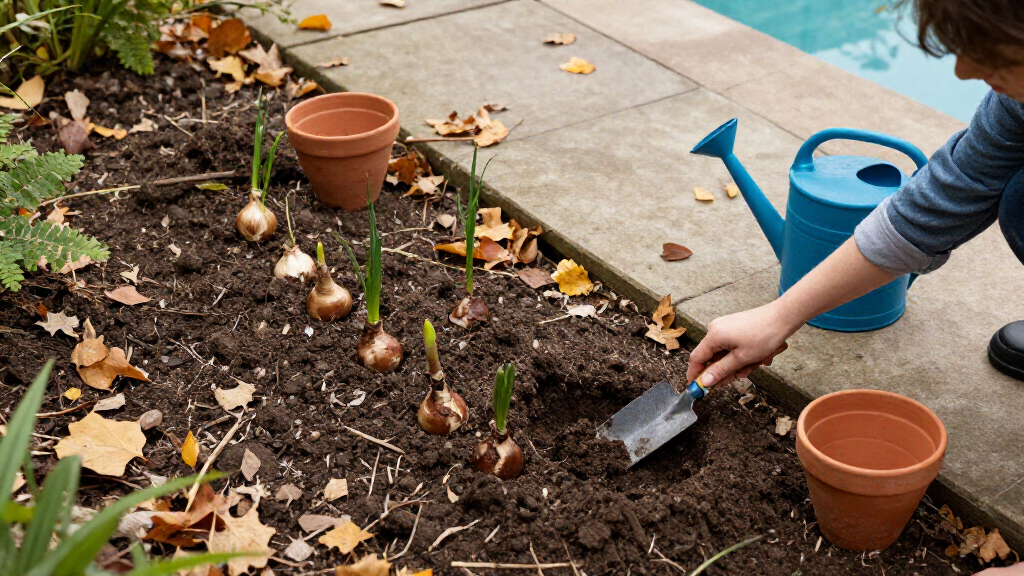
A Homes & Gardens gardening report advises checking soil drainage before planting spring bulbs in fall, including October. Bulbs in waterlogged soil can rot before they emerge; gardeners can test drainage, improve soil with organic matter, or use raised beds and containers with drainage holes.
A Homes & Gardens report advises gardeners to check that soil drains well before planting spring bulbs this fall, warning that bulbs left in cold, waterlogged ground can rot and fail to emerge, a concern covered in these fall garden cleanup tips. The guidance is especially relevant in areas expecting fall and winter rain, and offers soil testing, amendments, raised beds and containers as alternatives to planting in poorly drained beds.
Bulbs need some moisture after planting to start developing roots, but the report says they should not sit in saturated soil. In waterlogged conditions, bulbs may lack oxygen and their fleshy stored tissue can rot. The result may be no spring display, though the report does not quantify how often this happens or how many bulbs might be affected.
For a basic drainage check, the report recommends digging a hole about 12 inches deep and 8 to 12 inches wide, filling it with water, and checking whether water remains after an hour. Damon Tang, founder of US Grow Zones, says that standing water is a reason to choose a better-drained location, use a raised bed or improve the soil with compost.
For heavy soil, the report recommends adding organic matter such as compost, well-rotted manure or leaf mold. It says to work this into the planting area at least a week before planting and notes that the process may need to be repeated annually as the material breaks down. If drainage remains unsuitable, gardeners can grow bulbs in raised beds or pots; containers should have drainage holes and be raised slightly off the ground so they do not sit in water.
Drainage Can Decide Spring Bloom
The advice addresses a problem that can remain hidden until spring: bulbs planted in fall may appear to be in place, but prolonged saturation over winter can cause them to rot before they flower. Checking drainage beforehand can help gardeners avoid spending time and money on bulbs unlikely to thrive in a particular bed.
The risk is not the same in every garden. Soil type, rainfall and the location of a planting area affect how quickly water drains. Clay soil is a particular concern in the report because its dense particles can hold water, but the material does not say that every clay bed is unsuitable. A drainage test offers a practical check for the specific planting site.
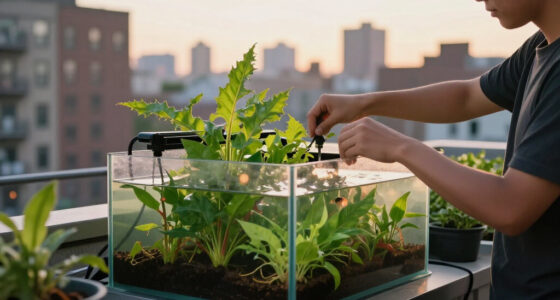
Using containers or a raised bed can also make spring bulbs an option where in-ground planting is unreliable. These alternatives allow gardeners to select a better-draining growing mix, although pots still need drainage holes and a position that prevents them from standing in pooled water.
Products Worth Considering

Orbit B-hyve XR 16-Zone Indoor/Outdoor Smart Sprinkler Timer
Orbit B-hyve XR 8-Zone Indoor/Outdoor Smart Sprinkler Controller

EGO Power+ LB8803-2 Cordless Leaf Blower, 880 CFM, with Two 4.0Ah Batteries
As an affiliate, we earn on qualifying purchases.
Fall Planting and Wet Soil
October is described in the source report as a prime time to plant many spring-flowering bulbs, including snowdrops, hyacinths, daffodils and alliums. Fall rainfall often provides enough moisture for bulbs to begin rooting, but the report distinguishes that useful moisture from conditions in which soil stays saturated.
The drainage warning is based on advice from gardening and flower experts cited by Homes & Gardens, not on a newly reported scientific study or a measured forecast for particular regions. Lindsey Chastain, a homesteader and gardening writer, says she uses raised beds or pots where clay soil does not drain well. The report presents organic matter as a way to improve soil structure over time, rather than an instant fix for every site.
“The bulbs store their moisture and all of the nutrients that they need to grow in the fleshy tissue, so when they are waterlogged, that rots first, and fairly quickly.”
— Lindsey Chastain, homesteader and gardening writer, as quoted by Homes & Gardens
How Each Garden Will Drain
The report does not provide regional rainfall forecasts, a universal drainage rate for all soil types, or data on the likelihood that bulbs will rot under particular conditions. Its one-hour hole test is presented as a practical guide; the source does not establish that it predicts outcomes for every garden or bulb variety.
It is also unclear how much organic matter a given bed would need, how quickly drainage would improve, or whether amendment alone would be enough in a persistently wet location. Gardeners should judge the site itself and consider raised beds or containers if water continues to stand.
Test Before Planting This Fall
Before planting, gardeners can run the hole test and check whether the intended site holds water. If it drains poorly, the report suggests selecting another spot, incorporating organic matter in advance, or using a raised bed. For pots, check for drainage holes and raise the containers on pot feet or bricks so their bases do not sit in pooled water over winter.
Once the planting site is ready, the report identifies October as a suitable time for many spring bulbs. It does not specify a single planting date that applies everywhere, so local conditions and the needs of the chosen bulbs remain relevant.
Key Questions
Why can waterlogged soil harm spring bulbs?
The report says saturated soil can limit oxygen around bulbs and cause their fleshy stored tissue to rot. Bulbs affected this way may fail to emerge in spring.
How can I check whether my soil drains well?
Dig a hole about 12 inches deep and 8 to 12 inches wide, fill it with water, and check it after an hour. If water remains, the report recommends another location, a raised bed or soil improvement. This is a practical test, not a guarantee for every garden.
Can I plant spring bulbs in clay soil?
Clay often drains slowly, according to the report, but it does not say every clay site is unsuitable. Test the particular planting area; consider adding organic matter or using raised beds or containers if water remains in the soil.
Can spring bulbs grow in pots?
Yes. The report says bulbs such as tulips, daffodils, hyacinths and alliums can be grown in containers. Use a well-draining potting mix, make sure the pot has drainage holes and raise it slightly off the ground.
When should I plant spring bulbs?
The report describes October as a prime month for many spring bulbs. The right timing can vary by local conditions and bulb type, so the article does not offer one date for every garden.
Source: homesandgardens.com