
TL;DR

Get pool and patio gear delivered free with Prime
- Fast, free delivery on millions of items
- Prime Video, Amazon Music and more included
- Member-only deals all year
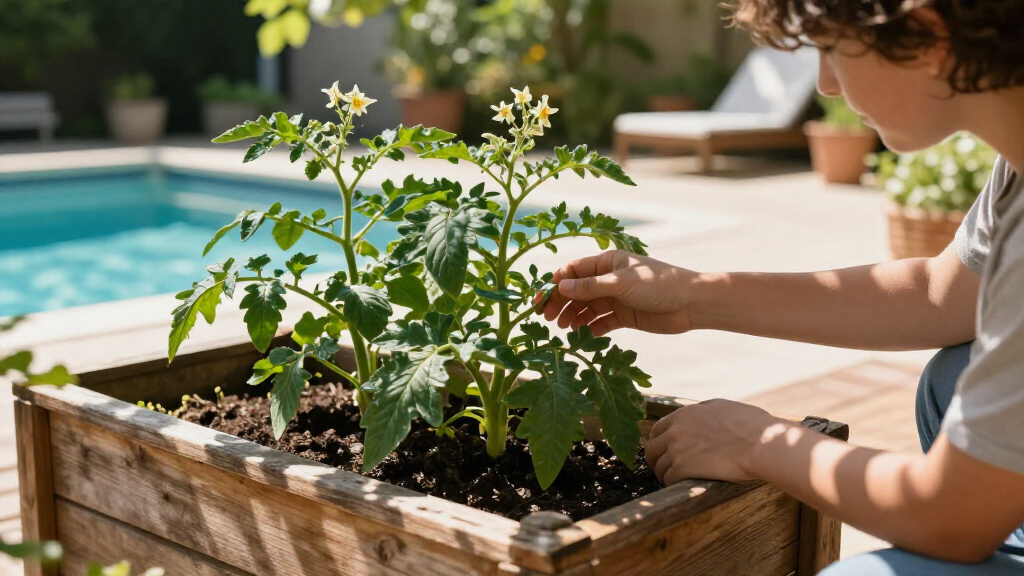
Many gardeners notice tomato plants flowering without producing fruit. This issue is often due to environmental stress or improper care. Experts suggest specific steps to improve fruit set before the season concludes.
Many tomato growers are observing a common problem: their plants are producing numerous flowers but few or no fruits. This issue can significantly reduce harvests and frustrate gardeners eager to enjoy fresh tomatoes before the season ends. Experts confirm that environmental stress, improper watering, and temperature fluctuations are primary causes, and they offer practical solutions to improve fruit set now.
Several factors contribute to tomato plants flowering without setting fruit, including high temperatures, inconsistent watering, and inadequate pollination. According to horticultural specialists, temperatures above 85°F during the day or 70°F at night can inhibit pollination, leading to flowers dropping without developing into fruit. Additionally, irregular watering can cause stress, resulting in flowers aborting before fruit formation. Pollination issues may also arise from a lack of pollinators or poor airflow, which reduces pollen transfer.
Gardeners are advised to monitor environmental conditions closely. Learn more about protecting your fruit. If temperatures are too high, providing shade during peak heat hours can help. Consistent watering—keeping soil evenly moist but not waterlogged—is crucial. Some recommend hand-pollinating flowers using a small brush or gently shaking the plants to mimic natural pollination. Ensuring good air circulation and avoiding excessive nitrogen fertilizer, which promotes lush foliage but suppresses flowering, are also important steps to encourage fruit development.
Impacts of Flowering but No Fruit on Tomato Yields
This issue directly affects tomato yields, especially for home gardeners and small-scale farmers nearing the end of their growing season. Without intervention, plants may produce abundant flowers but fail to produce edible fruit, leading to wasted effort and disappointment. Understanding and addressing the causes can help maximize remaining harvests and prevent total crop loss, making this information valuable for anyone growing tomatoes in the current season.
As an affiliate, we earn on qualifying purchases.
Common Causes of Poor Tomato Fruit Set During the Season
Tomatoes are sensitive to environmental conditions, and many issues can disrupt fruit set. Historically, high temperatures, drought stress, and inconsistent watering have been linked to poor pollination. Recent years have seen increased reports of this problem, partly due to climate variability. Additionally, declining pollinator activity and improper fertilization practices contribute to the problem. Gardeners who faced similar issues in previous seasons often found that adjusting watering routines and providing shade helped improve fruit set.
Experts note that this problem tends to peak in late summer when heat waves are common. It is not unusual for plants to produce flowers that fall off without setting fruit, especially if conditions are stressful. Recognizing these patterns can help gardeners take preemptive measures to protect their crops and extend the productive period of their plants.
“High temperatures during flowering are one of the main reasons flowers drop without setting fruit. Providing shade and maintaining consistent moisture can make a significant difference.”
— Dr. Lisa Green, horticultural expert
Unconfirmed Causes and Variability in Results
While environmental factors are confirmed as major contributors, the precise impact of specific practices like hand-pollination varies among different tomato varieties and growing conditions. Some gardeners report success with certain methods, while others see limited improvement. The role of pests or diseases in this particular issue remains less clear, and ongoing research is needed to better understand all underlying causes.
Recommended Actions and Monitoring for the Remaining Season
Gardeners should implement environmental adjustments such as providing shade, maintaining consistent watering, and hand-pollinating flowers if necessary. Monitoring weather forecasts and plant health will help determine when to apply these measures. As the season progresses, continued attention to these factors can maximize fruit production and prevent total crop failure. Experts suggest that if conditions improve, some plants may still produce a harvest before the season ends.
Key Questions
Why are my tomato flowers falling off without forming fruit?
This is often caused by high temperatures, irregular watering, or poor pollination, which prevent flowers from developing into fruit.
Can I still save my tomato plants at this stage?
Yes, by providing shade, maintaining consistent moisture, and manually pollinating flowers, you can improve fruit set and maximize your harvest.
When should I start hand-pollinating my tomatoes?
Begin hand-pollination when you notice flowers dropping or not setting fruit, especially during hot weather or periods of stress.
Will these methods work for all tomato varieties?
Results can vary depending on the variety and growing conditions. Some plants respond better to interventions than others.
What should I do if my tomato plants are still flowering but not fruiting as the season ends?
Focus on environmental controls, consistent watering, and manual pollination to improve chances of fruit development before the season concludes.
Source: rss
Halloween Picks
halloween
As an affiliate, we earn on qualifying purchases.