

TL;DR

Get pool and patio gear delivered free with Prime
- Fast, free delivery on millions of items
- Prime Video, Amazon Music and more included
- Member-only deals all year
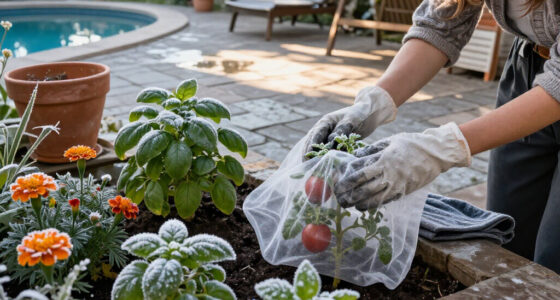
Gardening Know How’s winterizing guide recommends preparing garden beds, plants and selected garden features as colder weather approaches. The source says fall preparation can tidy the landscape and help create a growing environment for spring, but it does not provide detailed instructions or region-specific timing for each task.
Gardening Know How is urging gardeners to prepare their beds, plants and garden features for colder months, in a seasonal guide titled “Get Your Garden Ready for Winter – 9 Vital Tasks.” The report says fall preparation can tidy the landscape and give gardeners a head start on spring, though the supplied source does not spell out the nine tasks in detail.
The guide frames fall garden preparation as a set of jobs for both the garden and its infrastructure. Its listed topics include winterizing lavender, preparing roses for winter, caring for hydrangeas, protecting raised beds and winterizing sprinkler systems. It also points readers to ways to protect plants from frost and prepare a bird bath for winter.
Other items in the source include saving household materials that could help protect plants from frost and a winter composting idea. These are presented as practical guides and ideas, but the material provided does not give step-by-step directions, recommended products or specific dates for carrying out the work.
Gardening Know How says fall preparation helps create an “ideal growing environment” for annual flowers and vegetables when spring arrives. That is the report’s stated rationale; it does not offer measurements or research findings to quantify how much preparation changes spring growth.
Fall Work Can Ease Spring Planting
For gardeners, the guidance focuses on two immediate aims: protecting plants and garden equipment through colder weather, and reducing the amount of preparation left for spring. Tasks such as checking irrigation systems and tending beds address different parts of the garden, so the guide’s broad checklist may help readers identify areas they otherwise overlook.
The timing and method matter. Cold tolerance varies by plant and local conditions, and the source does not specify when to prune, cover or move particular plants. Readers should use the linked plant-specific guidance and account for their climate rather than treating every recommendation as universal.
Products Worth Considering

Orbit B-hyve XR 8-Zone Indoor/Outdoor Smart Sprinkler Controller

Orbit B-hyve Smart Indoor/Outdoor 12-Zone Sprinkler Controller
Orbit B-hyve XR 16-Zone Indoor/Outdoor Smart Sprinkler Timer
As an affiliate, we earn on qualifying purchases.
The Guide’s Listed Winter Tasks
The source is a Gardening Know How winterizing topic page, not a detailed account of one newly announced gardening program or a report of measured results. It presents a headline checklist and links to related articles covering plant care, garden equipment and frost protection. Its focus is the seasonal change from fall into winter.
The report’s nine-task framing is accompanied by several examples, including lavender, roses, hydrangeas, raised beds, sprinklers and bird baths. The supplied text does not identify all nine tasks as a complete numbered list, so it is not possible to establish from this material alone exactly which actions make up the full checklist.
““Prepping beds and plants in fall keeps your landscape tidy and gives you a jump start on spring.””
— Gardening Know How
Local Timing Is Not Specified
The supplied source does not state its publication date, identify a particular growing zone or provide exact timing for the listed jobs. It also does not include the full instructions behind the linked articles, so details such as how to protect each plant, when to stop watering or how to prepare a specific sprinkler system cannot be confirmed from the material provided.
The guide’s claim that fall preparation creates a good growing environment for spring is not accompanied here by data or a comparison with gardens that were not prepared. Gardeners should treat the material as general seasonal guidance, not as proof that every task is necessary in every climate.
Check Each Task Before Frost
Gardeners following the guide can review the needs of their plants and garden equipment before colder conditions arrive, then consult the specific articles linked by Gardening Know How for instructions. Because the source gives no regional calendar, the next step is to check local frost forecasts and guidance suited to the plants and systems in question.
The supplied material does not announce a follow-up date or additional publication. The immediate practical issue is completing any appropriate fall preparation before local winter weather makes outdoor work difficult, while avoiding actions that are unsuitable for a particular plant or climate.
Key Questions
What does the winterizing guide recommend preparing?
It points to plants, garden beds and garden features, with examples including lavender, roses, hydrangeas, raised beds, sprinkler systems and bird baths.
When should I winterize my garden?
The source recommends preparing in fall as winter approaches, but it gives no dates or regional timetable. Local frost conditions and plant-specific guidance can affect timing.
Does the source list all nine tasks?
No complete numbered list is included in the supplied material. It names several related topics, but the full nine-task checklist and its instructions are not available in the source text provided.
Will fall preparation guarantee better spring growth?
No such guarantee is established. Gardening Know How says fall preparation can help create a suitable growing environment and give gardeners a head start, but the supplied report includes no data quantifying the effect.
Source: gardeningknowhow.com