

To effectively waterproof long edges, you need to carefully manage joints and movement. Make certain joints are strategically placed where expansion or shifting might occur, and use flexible sealants compatible with your materials. Proper surface preparation and priming are key for long-lasting adhesion. Regular inspections help catch issues early. By designing and maintaining these joints properly, you’ll prevent water ingress and protect your structure over time. Keep going to discover expert tips for lasting waterproofing success.
Key Takeaways
- Properly design and position joints at anticipated movement points to prevent water infiltration.
- Select flexible, compatible sealants that adhere well to substrates and maintain durability over time.
- Ensure joint surfaces are clean, primed, and properly prepared before sealant application.
- Incorporate appropriate joint fillers or compressible materials to accommodate expansion and contraction.
- Regularly inspect and maintain joints to identify and repair sealant degradation early.
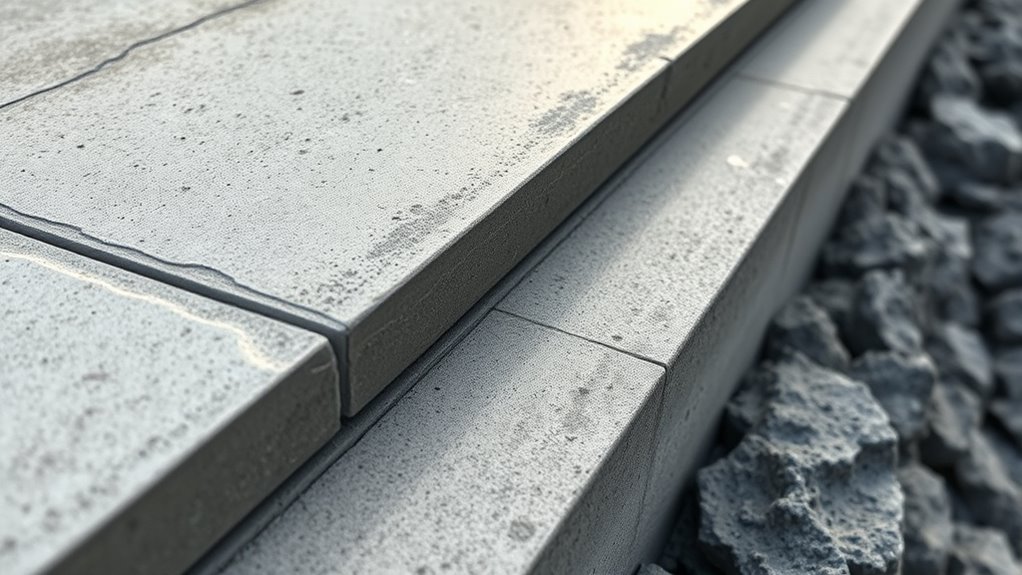
Have you ever wondered how to guarantee your building stays dry despite natural movement and expansion? When it comes to waterproofing long edges, understanding how to properly manage joints and accommodate movement is essential. The key lies in selecting the right sealant compatibility and designing effective expansion joints. These elements work together to create a flexible barrier that prevents water intrusion while allowing the structure to move naturally over time.
Sealant compatibility is critical because not all sealants work equally well with every substrate or material. If you choose a sealant that doesn’t adhere properly or degrades when exposed to environmental conditions, you risk leaks and costly repairs later on. Ensuring compatibility involves selecting a sealant that bonds firmly to the materials used in your structure and withstands the stresses caused by expansion and contraction. For long edges exposed to temperature fluctuations and moisture, high-quality elastomeric or hybrid sealants often provide the best performance. They maintain flexibility and adhesion, which are vital for accommodating movement without cracking or losing effectiveness.
Choosing the right sealant ensures flexibility, strong adhesion, and long-term waterproofing for building joints.
Equally important is the expansion joint design. A well-planned joint system accounts for the expected movement of the building or structure. These joints should be strategically placed at points where expansion, contraction, or shifts are anticipated—such as at the ends of long walls or between different materials. The design involves choosing the right size, shape, and material for the joint to absorb movement without compromising waterproofing. Properly designed expansion joints include a sealant that remains flexible over its lifespan, preventing water from seeping through even as the joint widens or contracts. This flexibility is essential to maintain the integrity of the waterproof barrier and avoid damage caused by structural movement.
When installing these joints, attention to detail is crucial. The joint space needs to be properly prepared, cleaned, and primed before applying the sealant. Ensuring the sealant is compatible with both the substrate and the joint filler will prolong its lifespan and performance. Regular inspections and maintenance also help catch any signs of wear or degradation early, so you can reapply or repair sealants before leaks develop. Additionally, understanding the importance of sealant compatibility can significantly influence the longevity of your waterproofing efforts.
In short, to keep your building dry in the face of natural movement, focus on selecting a compatible sealant and designing expansion joints that flex and adapt. This combination ensures your long edges remain waterproof and durable, resisting the forces of expansion and contraction over time. With careful planning and proper materials, you can effectively prevent water ingress and protect your structure for years to come.
Frequently Asked Questions
What Are the Most Common Mistakes in Waterproofing Joints?
You often make mistakes in waterproofing joints by neglecting proper joint preparation and sealing techniques. Skipping cleaning or not removing debris causes poor adhesion, while using the wrong sealant or applying it unevenly weakens the barrier. You might also overlook allowing adequate curing time or fail to accommodate movement, which leads to cracks and leaks. To avoid these issues, focus on thorough preparation and precise sealing techniques for long-lasting waterproofing.
How Does Temperature Fluctuation Affect Joint Waterproofing?
Temperature fluctuations cause thermal expansion and contraction, which can compromise your joint waterproofing. As temperatures rise, materials expand and may crack or lose adhesion; when they cool, contraction can create gaps or stress points. To prevent this, you should choose flexible sealants, use proper joint design, and allow for movement. This way, your waterproofing system stays intact despite the changing temperatures, ensuring long-lasting protection.
Can Waterproofing Joints Be Repaired After Damage?
Yes, you can repair damaged waterproofing joints. Start by removing any loose or deteriorated sealant using appropriate tools. Then, clean the area thoroughly to guarantee proper adhesion. Apply new joint sealing material using proven repair techniques, such as flexible sealants or membranes designed for waterproofing. This approach restores the joint’s integrity and prevents further water ingress, giving your structure long-lasting protection.
What Tools Are Essential for Waterproofing Long Edges?
Think of your tools as the orchestra conducting perfect waterproofing. You’ll need a caulking gun for precise sealant application, a utility knife for clean edge preparation, and a putty knife to smooth surfaces. A wire brush helps clean edges, while a roller or trowel guarantees even sealant spread. These tools work together, making sure your long edges stay waterproof, flexible, and durable, with every movement perfectly sealed.
How to Estimate Waterproofing Material Requirements Accurately?
To estimate waterproofing material requirements accurately, start by measuring the total length and width of the joints or edges. Consider sealant compatibility with the waterproofing membranes you’re using to guarantee proper adhesion. Add a buffer for overlaps and potential waste, and consult product specifications for coverage rates. This approach helps you buy just the right amount of materials, minimizing waste and ensuring effective waterproofing.
Conclusion
Remember, flexibility is key when waterproofing long edges and joints. By properly accommodating movement, you prevent costly damage and guarantee durability. Use quality materials and techniques, and don’t overlook the importance of regular maintenance. As the saying goes, “A stitch in time saves nine.” Act now to protect your structure, because addressing issues early keeps small problems from becoming big ones. With careful attention, your joints will stay secure and watertight for years to come.