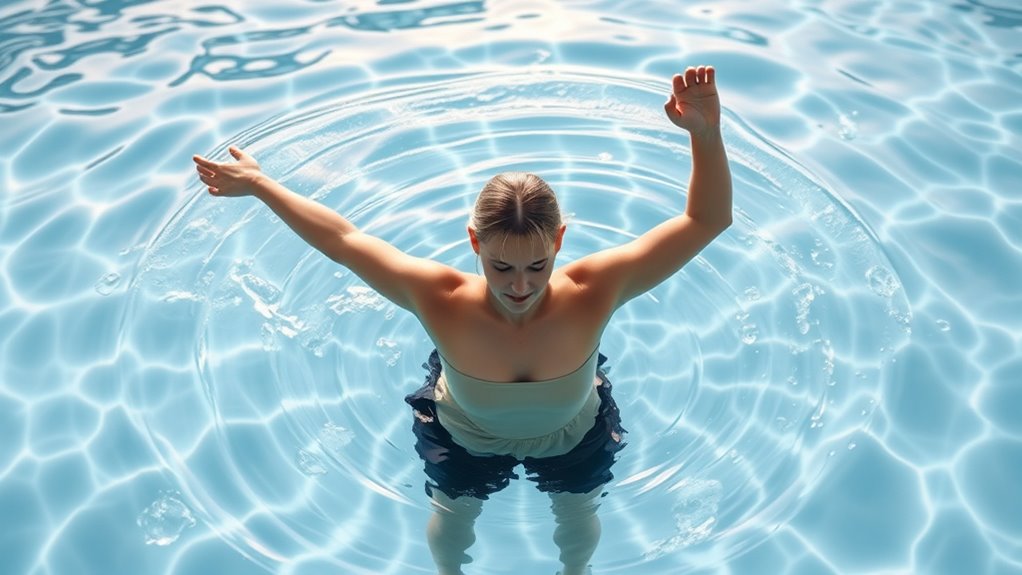

Gentle rehab moves in water are perfect for easing pain and improving mobility. These low-impact exercises reduce joint stress and support your body through buoyancy, making movement easier and safer. You can work on gentle stretches, balance, and muscle strengthening without putting extra strain on your joints. Water’s natural resistance helps you build strength gradually while promoting relaxation. To discover specific exercises and techniques that fit your needs, keep exploring how water therapy can empower your recovery.
Key Takeaways
- Water-based exercises reduce joint stress, making gentle rehab movements safe and effective.
- Buoyancy supports body weight, allowing pain-free mobility and easier range of motion exercises.
- Resistance from water enhances muscle strength gradually without heavy equipment.
- Gentle stretching and balance exercises in water help improve flexibility and stability.
- The calming environment promotes relaxation, confidence, and motivation during rehabilitation.
Water-based rehabilitation programs are gaining popularity because they offer a low-impact environment that minimizes stress on joints and muscles. If you’re recovering from an injury or looking for a gentle way to improve mobility, aquatic therapy can be an excellent option. The buoyancy of water reduces the weight your body needs to support, which means you can move more freely without aggravating your injury. This environment allows you to perform exercises that might be painful or impossible on land, helping you regain strength and flexibility safely.
When you engage in aquatic therapy, you benefit from the natural resistance provided by water. This resistance makes even simple movements more effective, helping you build muscle without the need for heavy weights. For injury recovery, this means you can work on regaining range of motion and strength while minimizing the risk of re-injury. Because water supports your body, you can perform gentle stretches, balance exercises, and strengthening routines with less strain on your joints. This makes aquatic therapy especially suitable for those with arthritis, joint pain, or recovering from surgeries like knee or hip replacements.
The calming nature of water also plays a significant role in your recovery process. The soothing sensation of being immersed can reduce muscle tension and promote relaxation, which is vital when you’re dealing with pain or inflammation. Plus, water provides a natural resistance that you can control easily by adjusting your speed and movement. This allows you to tailor your exercises to your comfort level, gradually increasing intensity as your strength improves. The repetitive, flowing movements often used in aquatic therapy help improve circulation and reduce swelling, speeding up injury recovery.
You might find that performing gentle rehab moves in water helps you stay motivated and engaged in your recovery journey. The environment feels less intimidating than traditional therapy, encouraging you to move more confidently. It’s also easier to focus on proper technique and alignment since water provides support and feedback. As you progress, you can incorporate more dynamic movements, always within a safe, controlled setting. Over time, these aquatic exercises can help you regain full function, reduce pain, and restore your overall mobility.

Hikeen Swimming Training Belt 4M Swimming Tether Swim in Place Harness Stationary Aquatic Resistance Belt
Designed for stationary swimming in home & lap pools with adjustable bungee cord for resistance training
As an affiliate, we earn on qualifying purchases.
Frequently Asked Questions
Can Water Rehab Help With Chronic Pain Management?
Yes, water rehab can help with chronic pain management. Hydrotherapy benefits include reducing joint stress and improving circulation, which can lead to significant pain relief. You’ll find that gentle exercises in the water act as effective pain relief techniques, easing discomfort and promoting mobility. By engaging in water rehab, you might experience less pain and increased function, making it a valuable option for managing chronic pain naturally and safely.
What Equipment Is Needed for Water-Based Rehab Exercises?
A stitch in time saves nine, so having the right equipment is key. For water-based rehab exercises, you’ll need water resistance tools like kickboards, paddles, or resistance gloves, along with flotation devices such as foam noodles or flotation belts. These items help enhance your workout, provide support, and guarantee safety. By using the right equipment, you’ll maximize benefits while minimizing risks, making your rehab sessions both effective and enjoyable.
Is Water Rehab Suitable for All Age Groups?
Water rehab is suitable for most age groups, but you should consider age considerations and physical limitations. Younger individuals often recover quickly, while older adults benefit from low-impact movement that reduces joint stress. If you have any physical limitations, consult your healthcare provider to confirm water therapy fits your needs. Overall, water rehab offers a safe, adaptable environment to improve mobility and strength regardless of age.
How Often Should Water Therapy Sessions Be Scheduled?
You should schedule water therapy sessions 2 to 3 times a week for ideal results. The session frequency depends on your individual needs and recovery goals, so your program should be customized accordingly. Consistency is key, but avoid overdoing it to prevent fatigue. Work with your therapist to adjust the frequency as you progress, ensuring your water rehab program remains effective and safe for your specific condition.
Are Water Rehab Exercises Safe for Post-Surgical Recovery?
Water rehab exercises are generally safe for post-surgical recovery if you follow proper aquatic therapy protocols and water safety guidelines. Always consult your healthcare provider before starting, and work with a trained aquatic therapist who can tailor exercises to your needs. They’ll guarantee you perform movements safely, minimizing risks like slips or overexertion. With proper supervision, water therapy can be a gentle, effective way to support your healing process.

Resistance Bands, Pull Up Bands, Exercise Workout Bands for Working Out, Pull Up Assistance Bands Set for Men & Women, Body Stretching, Physical Therapy, Muscle Training - Colorful
100% Natural Latex
As an affiliate, we earn on qualifying purchases.
Conclusion
Imagine yourself as a boat gently drifting on calm waters, guided by the soothing flow of water. These gentle rehab moves help you regain strength and mobility with ease, like a gentle tide lifting you back to balance. Embrace the movement, and let the water be your steady current, carrying you toward recovery. With patience and consistency, you’ll find yourself sailing smoothly again, feeling refreshed and renewed, ready to face new horizons ahead.
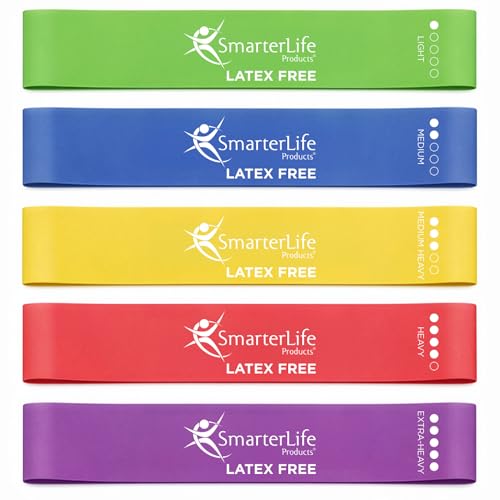
SmarterLife Resistance Bands for Working Out, Latex-Free Exercise Bands for Women, Men, 5 Extra Wide Workout Bands for Weight Loss, Home Gym, Booty Bands, Physical Therapy Bands, Workout Guide
PREMIUM RESISTANCE BANDS FOR HEAVY STRETCHING: Our exercise bands weigh only 7 ounces and can fit perfectly in...
As an affiliate, we earn on qualifying purchases.

Dryland Powercord with Paddles,Swimming Arm Strength Trainer, Professional Freestyle Swimming Resistance Exercise Bands Set
Simulate Muscle-Building Movements - Resistance bands with sliding handles allow you to target and train your swim stroke...
As an affiliate, we earn on qualifying purchases.