
Accessibility enhancements guarantee that everyone can enjoy entertainment, leisure, and cultural experiences fully and inclusively. By incorporating assistive technologies like screen readers, closed captioning, and adaptive controllers, as well as designing spaces with ramps, tactile cues, and adjustable features, you create environments where all participants feel welcome and engaged. These improvements not only remove barriers but foster a culture of inclusion. Keep exploring to discover how you can implement these solutions and make enjoyment accessible for everyone.
Key Takeaways
- Implement assistive technologies like captioning, screen readers, and adaptive controllers to enable inclusive entertainment experiences.
- Design spaces with ramps, tactile paving, adjustable lighting, and visual/auditory cues to accommodate diverse needs.
- Incorporate sign language interpretation, audio descriptions, and accessible signage for cultural and leisure events.
- Use inclusive design principles from the start to create barrier-free environments that promote full participation.
- Foster a culture of inclusion by raising awareness and integrating diverse needs, including those related to mobility, sensory, and health considerations.
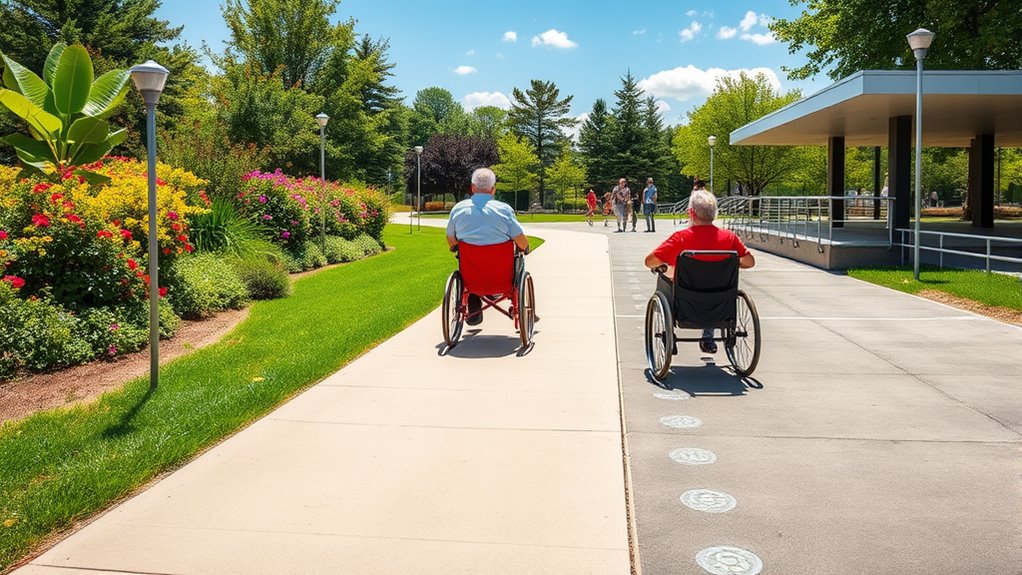
Accessibility enhancements are essential for creating inclusive environments where everyone can participate fully. When it comes to enjoyment, ensuring that spaces and activities are accessible isn’t just a courtesy—it’s a necessity. By integrating assistive technologies and embracing inclusive design principles, you make it possible for all individuals to engage in entertainment, leisure, and cultural experiences without barriers. These tools and approaches are powerful because they adapt environments to meet diverse needs, fostering a sense of belonging and shared joy.
Assistive technologies have revolutionized accessibility, offering practical solutions that break down physical, sensory, and cognitive barriers. For example, screen readers, voice recognition software, and closed captioning enable people with visual or hearing impairments to enjoy movies, music, and online content. Adaptive gaming controllers give gamers with limited mobility the ability to participate fully in video games, transforming what once seemed restrictive into inclusive fun. These technologies aren’t just add-ons; they are integral to making environments truly accessible. They empower users to navigate spaces independently, reducing reliance on others and promoting confidence in participation.
Assistive tech like screen readers and adaptive controllers make entertainment accessible and empower independent participation.
Inclusive design complements assistive technologies by proactively creating environments that consider a wide range of needs from the outset. When designing a concert hall, park, or museum, you’re encouraged to think beyond the average user. Features like ramps, tactile paving, adjustable lighting, and audio descriptions help ensure that everyone can enjoy the experience. The goal is to eliminate obstacles before they even appear, making accessibility seamless rather than an afterthought. When you adopt inclusive design, you’re not only complying with regulations but actively cultivating spaces where diversity is celebrated and everyone’s enjoyment is prioritized.
Incorporating both assistive technologies and inclusive design into spaces for entertainment and leisure demonstrates a commitment to equality. It allows individuals with disabilities or different abilities to participate on their terms. Whether it’s someone using a wheelchair accessing a scenic trail, a person with hearing loss enjoying a performance with sign language interpretation, or a child with a learning disability exploring an interactive exhibit, these enhancements ensure no one misses out. They foster an environment where participation is the norm, not the exception, and where enjoyment is accessible to all.
Ultimately, enhancing accessibility for enjoyment isn’t just about compliance—it’s about creating a culture of inclusion. When you leverage assistive technologies and adopt inclusive design, you open doors to richer, more diverse experiences. Everyone deserves to have fun, learn, and connect, regardless of abilities. By making these investments, you help build communities where joy is universal, barriers are minimized, and everyone can truly participate fully. Incorporating knowledge about pregnancy can also help ensure that accessibility measures are supportive of diverse needs, including those in different life stages and health conditions.

MAGNIPROS Patented 5X Large LED Page Magnifier with Detachable Stand | Eye Caring 3 Color Light Modes & Anti-Glare Lens to Reduce Eye Strain-Ideal for Reading Fine Print, Crafting, Low Vision Seniors
𝗖𝗢𝗟𝗟𝗔𝗣𝗦𝗜𝗕𝗟𝗘 & 𝗗𝗘𝗧𝗔𝗖𝗛𝗔𝗕𝗟𝗘 𝗦𝗧𝗔𝗡𝗗: Tired of holding your magnifier for long periods? Our expertly crafted stand ensures hands-free…
As an affiliate, we earn on qualifying purchases.
As an affiliate, we earn on qualifying purchases.
Frequently Asked Questions
How Do Accessibility Features Impact Overall User Experience?
Accessibility features greatly boost your overall user experience by increasing user engagement and making interfaces more usable. When you activate features like screen readers or adjustable text sizes, you find it easier to navigate and enjoy content. These usability improvements ensure everyone, regardless of ability, can access and interact with digital platforms seamlessly, leading to a more inclusive and satisfying experience. Overall, accessibility features make your digital interactions more engaging and effortless.
Are Accessibility Enhancements Cost-Effective for Small Businesses?
Yes, accessibility enhancements are cost-effective for small businesses. Conducting a thorough cost analysis helps you understand the long-term benefits, like reaching a broader audience and improving brand reputation. While there may be initial implementation challenges, many affordable solutions exist that can be integrated gradually. Investing in accessibility often results in increased customer satisfaction and loyalty, making it a smart, budget-friendly choice that pays off over time.
What Training Is Needed to Implement Accessibility Improvements?
You need staff training in assistive technology to implement accessibility improvements effectively. Imagine your team struggling with outdated tools, alienating customers with disabilities—truly a badge of honor, right? To avoid that disaster, invest in hands-on training sessions on assistive tech like screen readers and ramps. This guarantees your staff confidently uses these tools, creating an inclusive environment that boosts your reputation and customer satisfaction.
How Do Accessibility Features Influence Website SEO?
Accessibility features like alt text and keyword optimization boost your website’s SEO by making content more understandable to search engines. When you add descriptive alt text, you improve image indexing, helping your site rank higher. Incorporating relevant keywords naturally enhances visibility. These improvements not only make your site more accessible for everyone but also increase your chances of attracting organic traffic, ultimately strengthening your online presence and search engine ranking.
Can Accessibility Enhancements Be Customized for Individual Needs?
Yes, accessibility enhancements can be customized for individual needs. You can explore various personalization options, such as adjustable font sizes or color contrasts, to suit your preferences. Adaptive technologies like screen readers or voice recognition further tailor your experience, making navigation easier. By leveraging these tools, you guarantee the website becomes more inclusive and user-friendly, allowing you to enjoy content comfortably regardless of your specific needs.

Mediasonic ATSC Digital Converter Box with Recording / Media Player / TV Tuner Function (HW130STB)
Receive Over-The-Air Digital Broadcast to your Analog and Digital TV, Projector, and Computer Monitor. Antenna Out Analog Pass…
As an affiliate, we earn on qualifying purchases.
As an affiliate, we earn on qualifying purchases.
Conclusion
By making accessibility enhancements, you create a more inclusive environment where everyone can enjoy and participate. Some might think these changes are complicated or costly, but they often require simple adjustments that make a big difference. Don’t let that hold you back—investing in accessibility not only broadens your audience but also shows your commitment to equity. Embrace these improvements today, and you’ll see how they enrich everyone’s experience and foster a truly welcoming space.

Logitech G Adaptive Gaming Kit For Access Controller, High Performance Customizable Controls Designed for Sony Access Controller for PS5, 8 Buttons & Triggers
Customizable Controls for Sony Access Controller for PS5: High performance, durable buttons and triggers for the Sony Access…
As an affiliate, we earn on qualifying purchases.
As an affiliate, we earn on qualifying purchases.
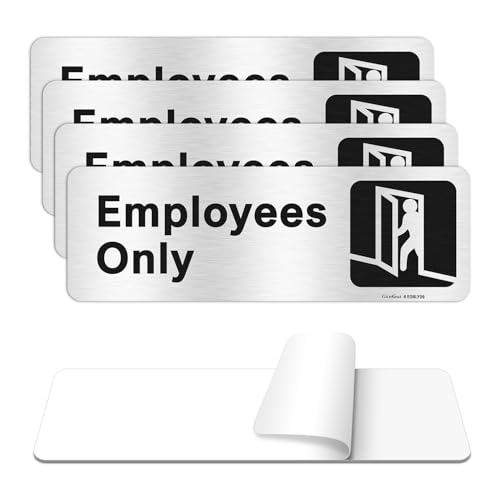
GicnKeuz Employees Only Sign,9 x 3 Inches Information Sign with Symbols,Brushed Aluminum Metal Signs With Self-adhesive, Waterproof,Ideal for Business, Public Restrooms, Restaurants, Hospitals, Offices, and Public Spaces. (4-Pack)
Visual Clarity : Utilizes clear graphics and concise text (e.g."Employees Only") to convey the message instantly, transcending language…
As an affiliate, we earn on qualifying purchases.
As an affiliate, we earn on qualifying purchases.