
TL;DR

Get pool and patio gear delivered free with Prime
- Fast, free delivery on millions of items
- Prime Video, Amazon Music and more included
- Member-only deals all year
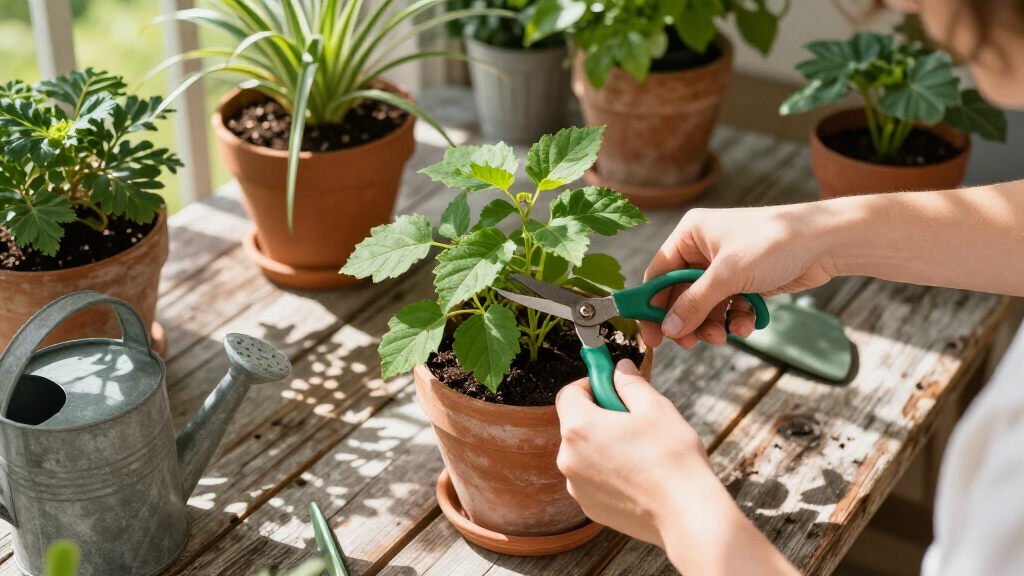
Interest in low-maintenance houseplants is increasing, driven by a trend toward easy-care greenery. Experts highlight three plants that thrive with minimal attention, ideal for busy households.
Growing interest in low-maintenance houseplants has led to a surge in searches for plants that can survive neglect. Experts note that these hardy plants are ideal for busy or forgetful owners, and recent online trends indicate a rising demand for such species.
According to recent search trend data, interest in houseplants that require minimal care has increased significantly over the past month. This shift is partly driven by urban dwellers seeking greenery that fits into busy lifestyles, as well as a broader trend toward sustainable, low-effort home decor. While no formal studies confirm the exact reasons, the pattern suggests a growing consumer preference for resilient plants.
Among the most recommended plants for neglect-prone owners are three species: the Snake Plant (Sansevieria), ZZ Plant (Zamioculcas zamiifolia), and Pothos (Epipremnum aureum). These plants are frequently cited in gardening forums, plant care guides, and social media posts for their ability to survive in low light, irregular watering, and varying humidity levels. Experts emphasize that these plants are not only durable but also visually appealing, making them popular choices for both novice and experienced plant owners.
Plant care specialists note that the Snake Plant, in particular, can thrive with infrequent watering—sometimes once every few weeks—and tolerates a range of indoor conditions. Similarly, the ZZ Plant is known for its drought tolerance and adaptability to low light, while Pothos can grow in almost any indoor environment with minimal attention. These traits make them ideal candidates for anyone looking to add greenery without the commitment of daily care.
Why Easy-Care Plants Are Gaining Popularity
The rising interest in low-maintenance houseplants reflects a broader shift in consumer behavior toward sustainable and low-effort home decor. For many, these plants provide a sense of connection to nature without the time commitment traditionally associated with gardening. Additionally, their resilience makes them suitable for a wide range of indoor environments, including offices and apartments where natural light and consistent watering may be limited.
This trend could influence the plant industry, encouraging nurseries and retailers to stock more of these hardy species and develop marketing strategies centered around ease of care. For consumers, it means more accessible options for cultivating indoor greenery, even for those with busy schedules or limited gardening experience.
Snake Plant Sansevieria low light indoor plant
As an affiliate, we earn on qualifying purchases.
As an affiliate, we earn on qualifying purchases.
Growing Interest in Low-Maintenance Houseplants
Over recent years, the popularity of houseplants has surged, driven by increased urban living and a desire for natural decor. While many enthusiasts focus on exotic or high-maintenance species, data indicates a parallel rise in searches for plants that can survive neglect. This trend is reflected in social media hashtags, online gardening forums, and retail sales patterns.
Although the specific trigger for this recent spike remains unconfirmed, the pattern aligns with broader lifestyle shifts emphasizing convenience and sustainability. Experts note that the COVID-19 pandemic also contributed to a renewed interest in indoor gardening, with many new plant owners seeking low-effort options.
Prior to this trend, popular houseplants included fussy varieties requiring regular watering and specific conditions. The current shift toward hardy, neglect-tolerant plants suggests a diversification of consumer preferences, emphasizing practicality alongside aesthetics.
Unconfirmed Factors Behind the Trend
It is not yet confirmed what specific event or marketing push triggered the recent surge in searches for neglect-tolerant houseplants. While the pattern is clear, the precise cause remains unclear, and further data is needed to determine if this is part of a larger, sustained shift or a short-term spike.Future Developments in Houseplant Trends
Plant retailers and nurseries are likely to respond by expanding their offerings of hardy, low-maintenance species. Experts expect continued growth in consumer interest for easy-care plants, especially as urban living and busy lifestyles persist. Monitoring sales data and online search patterns will help determine whether this trend sustains or evolves into new preferences.
Additionally, gardening educators and influencers may focus more on teaching care techniques for these resilient plants, further reinforcing their popularity.
Key Questions
Which houseplants are best for beginners?
The Snake Plant, ZZ Plant, and Pothos are widely recommended for beginners due to their low care requirements and resilience.
How often should I water these low-maintenance plants?
Typically, these plants can go several weeks without watering. For example, Snake Plants and ZZ Plants often only need watering once every 2-3 weeks, depending on indoor conditions.
Are these plants suitable for offices or low-light environments?
Yes, all three species tolerate low light and are suitable for indoor settings like offices, apartments, or rooms with limited sunlight.
Will neglect harm these plants permanently?
While occasional neglect is tolerated, consistent neglect over long periods can still harm any plant. However, these species are among the most forgiving and recover quickly when cared for again.
Is this trend likely to continue?
Based on current search patterns and industry responses, the trend toward low-maintenance houseplants appears to be ongoing, but future developments will depend on consumer preferences and industry offerings.
Source: rss
Fall Picks
fall essentials
As an affiliate, we earn on qualifying purchases.