
TL;DR

Get pool and patio gear delivered free with Prime
- Fast, free delivery on millions of items
- Prime Video, Amazon Music and more included
- Member-only deals all year
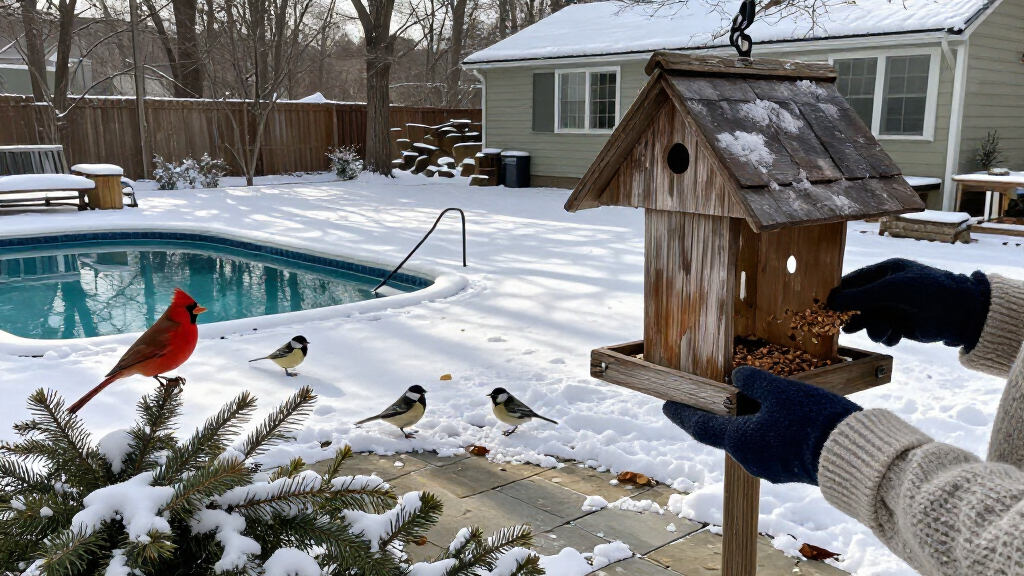
A Country Living report describes six birds people may see in U.S. backyards during winter: goldfinches, cardinals, woodpeckers, nuthatches, sparrows and hawks. It quotes National Audubon Society community science director Benjamin Haywood on offering suitable food and shelter, and points readers to the Christmas Bird Count, held Dec. 14 to Jan. 5.
A Country Living seasonal report profiles six birds people may spot in U.S. backyards during winter and offers advice from Benjamin Haywood, the National Audubon Society’s director of community science, on providing food and shelter. The report also directs readers to Audubon’s Christmas Bird Count, an annual community science program that runs from Dec. 14 to Jan. 5.
The six birds highlighted are American goldfinches, cardinals, woodpeckers, nuthatches, sparrows and hawks. Which species appear depends on location, and the category can include different kinds of birds: the report notes several woodpecker species and says red-tailed, sharp-shinned, rough-legged and Cooper’s hawks are among those commonly spotted in winter.
Some birds’ appearance changes with the season. Haywood says American goldfinches molt from bright yellow summer plumage into more subdued olive-brown winter feathers. Cardinals remain recognizable, though Haywood says feather wear and lighting can affect how they look. Other clues include woodpeckers’ calls and drilling, and nuthatches’ habit of moving headfirst down tree trunks.
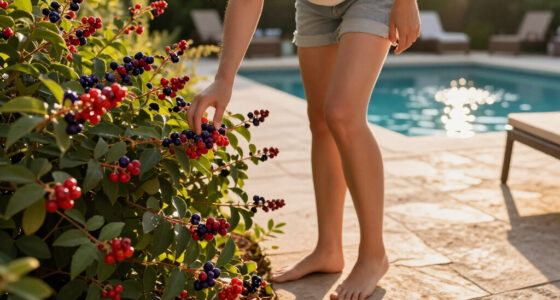
For backyard support, Haywood recommends keeping feeders stocked with suet, black oil sunflower seeds and nyjer, while also maintaining natural food sources such as berry-producing shrubs and seed-bearing plants. He points to brush piles and evergreen cover as shelter from wind and predators. The report says the Christmas Bird Count welcomes beginners as well as experienced birders, who can join a local count team.
Food and Cover Help Winter Birds
Cold weather can make food and sheltered places harder for birds to find. Providing a mix of feeder food and natural resources gives backyard visitors options, while shrubs, brush and evergreen cover offer places to shelter. These steps can make yards more useful to birds without guaranteeing that any particular species will visit.
Birdwatching can also connect local observations to conservation research. Audubon describes the Christmas Bird Count as a long-running effort whose records help track population trends and inform conservation work. Taking part lets residents contribute observations through a coordinated count rather than relying only on informal sightings.
Products Worth Considering

Orbit B-hyve XR 8-Zone Indoor/Outdoor Smart Sprinkler Controller
Orbit B-hyve XR 16-Zone Indoor/Outdoor Smart Sprinkler Timer

Weber Searwood XL 600 Wood Pellet Smoker Grill, 36 inches, Black
As an affiliate, we earn on qualifying purchases.
Seasonal Plumage and Local Species
The report describes winter birding as a way to notice wildlife during a season when gardens have fewer flowers and leaves. Not all birds respond to winter in the same way: some migrate, while others remain in or visit yards and feeders. A backyard list will vary with geography, habitat and the species present locally.
Haywood’s explanation of goldfinch plumage offers a reminder that a familiar species may look different across seasons. The report attributes the birds’ more subdued winter feathers partly to lower energy demands when food is scarce and temperatures fall. It also cautions, through Haywood’s comments on cardinals, that changing light and feather wear can affect appearance.
Species Vary by Place and Conditions
The report does not specify a single location or a standardized survey for its six-bird list. It says the sparrows people see depend on where they live, and the same local variation applies to backyard sightings more broadly. It also does not quantify how much any suggested feeder or habitat change affects bird numbers.
Readers should treat the species list as a set of examples, not a guarantee that all six will appear in every yard. The report does not provide detailed guidance on feeder hygiene, seed selection by species or local rules, so those specifics remain outside its recommendations.
Join the December Bird Count
People interested in documenting winter birds can look for a nearby Audubon Christmas Bird Count running between Dec. 14 and Jan. 5. The report says participants can join a team and learn from other birders; it does not provide local event listings, so readers will need to find a count in their area.
At home, the suggested next steps are to offer the recommended high-energy foods, preserve or add suitable natural food sources, and provide sheltered cover. Which birds respond will depend on local conditions and the habitat available.
Key Questions
Which six birds does the report highlight?
It lists American goldfinches, cardinals, woodpeckers, nuthatches, sparrows and hawks. The species seen in any particular yard depend on location.
What foods does Benjamin Haywood recommend?
Haywood recommends keeping feeders stocked with suet, black oil sunflower seeds and nyjer. He also advises supporting natural food sources, including berry-producing shrubs and seed-bearing plants.
How can a yard offer birds shelter?
Haywood points to brush piles and evergreen cover as protection from wind and predators. The report also recommends considering native plants that provide food.
When does the Christmas Bird Count take place?
The report gives the annual count period as Dec. 14 to Jan. 5. It says beginners and experienced birders can join local teams.
Will all six birds visit every backyard?
No. The report says local species vary by location, and sightings also depend on the habitat and conditions in a particular area.
Source: countryliving.com