TL;DR

Get pool and patio gear delivered free with Prime
- Fast, free delivery on millions of items
- Prime Video, Amazon Music and more included
- Member-only deals all year
Homes & Gardens reports that tender annuals, dahlias, warm-season vegetables and other frost-sensitive plants can be damaged when an early cold snap arrives. Its cited garden experts recommend covering plants with breathable fabric, securing covers to the ground and removing them after temperatures rise; the source does not provide a complete fifth category or a specific forecast.
Homes & Gardens has published advice on which garden plants may be damaged by an early frost and how to protect them, citing landscape designers and gardening author Kate Copsey. The report highlights tender annuals, late-season dahlias and warm-season vegetables, and recommends breathable covers or cold frames when a sudden temperature drop threatens plants still growing in fall.
Landscape designer Kat Aul Cervoni, founder of Staghorn Living, says she begins watching forecasts when overnight temperatures are expected to reach the mid-30s Fahrenheit. Frost can form on plant surfaces even when the official air temperature remains a few degrees above freezing, she says. Damage may appear as foliage that is darkened, water-soaked, limp or translucent, later turning brown or black.
The report names coleus, impatiens, begonias, zinnias and basil among tender annuals that can be affected by light frost. Cervoni says basil and coleus may show cold injury before temperatures reach freezing. For dahlias, a single frost can blacken foliage and end the blooms, while warm-season crops including tomatoes, peppers, eggplants, cucumbers, squash and beans generally do not tolerate freezing temperatures.
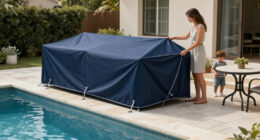
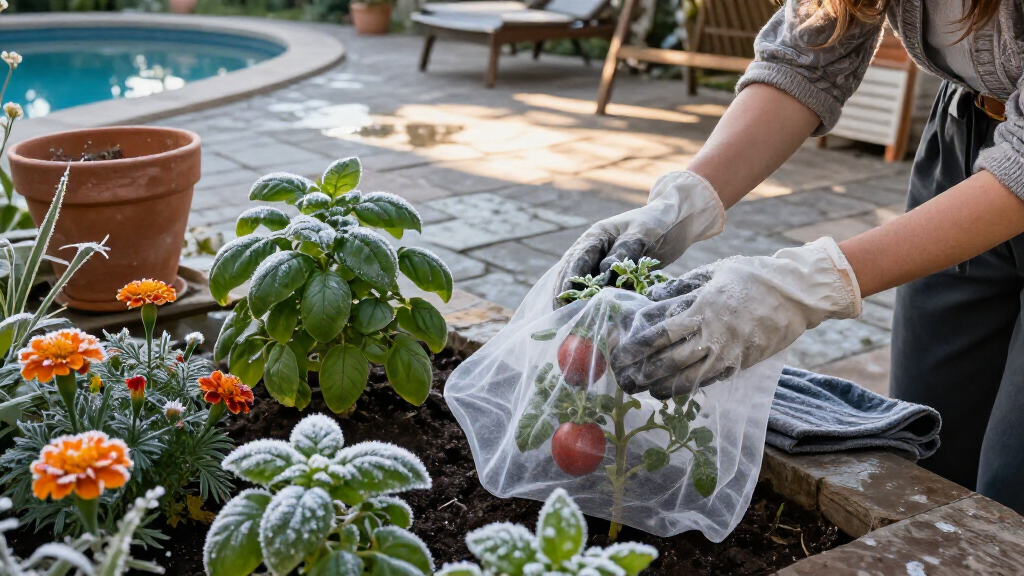
For protection, Cervoni recommends frost cloth, horticultural fleece or a bedsheet, draped down to the ground and secured at the edges to hold warmth rising from the soil, as described in this guide to protecting plants from frost. She advises against laying plastic directly on leaves, where contact can transfer cold, and says covers should be removed the next morning after temperatures rise above freezing. Stakes or hoops can keep fabric from crushing flowers and stems. Copsey says covers or a cold frame can protect plants when air temperatures are above 30°F; she describes frost between 30°F and 32°F as often less severe and spotty.
Protecting Plants Before Nightfall
An early frost can damage plants that are still flowering or producing food, cutting short a garden season before its expected end. For edible crops, losing warm-season plants can mean losing produce that gardeners hoped to harvest. Checking overnight forecasts and covering vulnerable plants in time gives gardeners a practical way to reduce that risk, though the source does not promise that any method will prevent all frost injury.
The advice also points to differences within a single garden. Cold air tends to settle downhill, so plants at the bottom of a slope may face more risk than those higher up. Walls can hold warmth, while wind and cloud cover affect how readily frost settles and heat escapes. These local conditions can influence which plants need attention first.
Products Worth Considering

EGO POWER+ 21 Cordless Electric Lawn Mower Kit, Self-Propelled

Husqvarna Power Axe 350i 18-Inch Cordless Chainsaw Kit
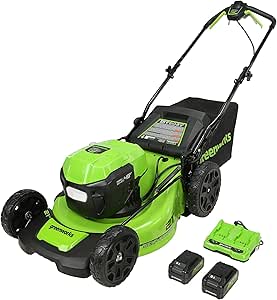
Greenworks 48V (24V x 2) 21-inch Self-Propelled Lawn Mower, Battery Kit
As an affiliate, we earn on qualifying purchases.
How Garden Frost Risk Varies
The report frames frost damage as a risk during fall periods when warm daytime weather can obscure colder nights. Shorter days and a lower sun mean less warmth is retained after sunset, according to the article. A forecast slightly above freezing does not rule out frost on plant surfaces, which is why Cervoni recommends paying attention before the thermometer reaches 32°F.
Garden conditions also create microclimates: the article says lower ground can collect cold air, while areas beside walls may stay warmer for a few days longer. Not every plant responds alike. The report says New England asters, goldenrods and sedums can survive an early fall frost, while dahlias and many warm-season vegetables are more vulnerable. This is seasonal guidance attributed to the cited experts, not a location-specific forecast or a guarantee for every variety.
“I start paying attention when overnight temperatures are forecast to fall into the mid-30s, since frost can form on plant surfaces even when the official air temperature is a few degrees above freezing.”
— Kat Aul Cervoni, landscape designer and founder of Staghorn Living, as quoted by Homes & Gardens
Limits of the Frost Advice
The supplied report excerpt identifies three of the five groups named in its headline: tender annuals, late-season flowers, and warm-season vegetables. It does not include the remainder of the article’s list, so the other two plant categories cannot be confirmed from the material provided. The excerpt also ends partway through its comparison with more cold-tolerant crops.
No specific city, forecast date or frost warning is given. The temperature guidance comes from named experts quoted by Homes & Gardens, but actual risk depends on local conditions, plant variety and the temperature at the plant itself. The source does not provide measured results showing how much protection a cover offers in every situation.
Check Forecasts and Cover Plants
Gardeners should use local overnight forecasts to decide when to protect vulnerable plants, paying attention as temperatures approach the mid-30s Fahrenheit, as Cervoni advises. Before evening temperatures fall, place breathable fabric over susceptible plants, secure it down to the ground and use stakes or hoops where a cover could crush stems or blooms. Remove the material after temperatures rise above freezing.
The article gives no scheduled follow-up or new forecast. Gardeners will need to watch conditions in their own area and check plants after a cold night for limp, water-soaked or darkened foliage. The report’s partial source text does not establish the remaining two plant types in its headline list.
Key Questions
Which plants does the report identify as vulnerable to early frost?
It names tender annuals such as coleus, impatiens, begonias, zinnias and basil; dahlias among late-season flowers; and warm-season vegetables including tomatoes, peppers, eggplants, cucumbers, squash and beans. The supplied excerpt does not show the remaining two categories in the headline list.
At what temperature should gardeners start paying attention?
Cervoni says she watches forecasts when overnight temperatures are expected to reach the mid-30s Fahrenheit, because frost can form on plant surfaces above the official freezing point. Local conditions can affect the risk.
What should I use to cover plants?
The report recommends frost cloth, horticultural fleece or a bedsheet. Drape the material to the ground and secure the edges. Avoid placing plastic directly against foliage, according to Cervoni.
When should frost covers come off?
Cervoni advises removing covers the morning after the frost risk passes, once temperatures have risen above freezing. She recommends leaving plants covered for as little time as needed.
Will every plant in a garden be damaged by an early frost?
No. The report says some plants, including New England asters, goldenrods and sedums, can survive an early fall frost, while other plants are more susceptible. Risk also varies by garden location and local conditions.
Source: homesandgardens.com