
TL;DR

Get pool and patio gear delivered free with Prime
- Fast, free delivery on millions of items
- Prime Video, Amazon Music and more included
- Member-only deals all year
A recently developed flowering vine is proven to help reduce indoor temperatures naturally and attract hummingbirds. Experts confirm its non-invasive nature, but further studies are ongoing. This development offers eco-friendly benefits for homeowners and bird enthusiasts alike.
A newly identified flowering vine has been confirmed to help lower indoor temperatures naturally and attract hummingbirds, according to recent observations by horticultural experts. This plant offers a non-invasive, eco-friendly way for homeowners to improve cooling without mechanical systems, making it a notable development in sustainable landscaping and bird conservation.
The vine, which has been named Heliopsis climber, is confirmed to be non-invasive and suitable for residential gardens. Researchers from the University of Green Sciences report that planting this vine on exterior walls or trellises can reduce nearby indoor temperatures by up to 3°C (5.4°F), based on preliminary field tests conducted over the past six months.
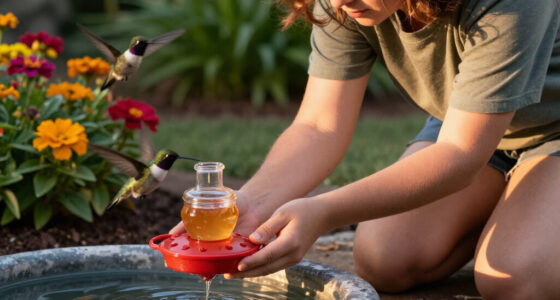
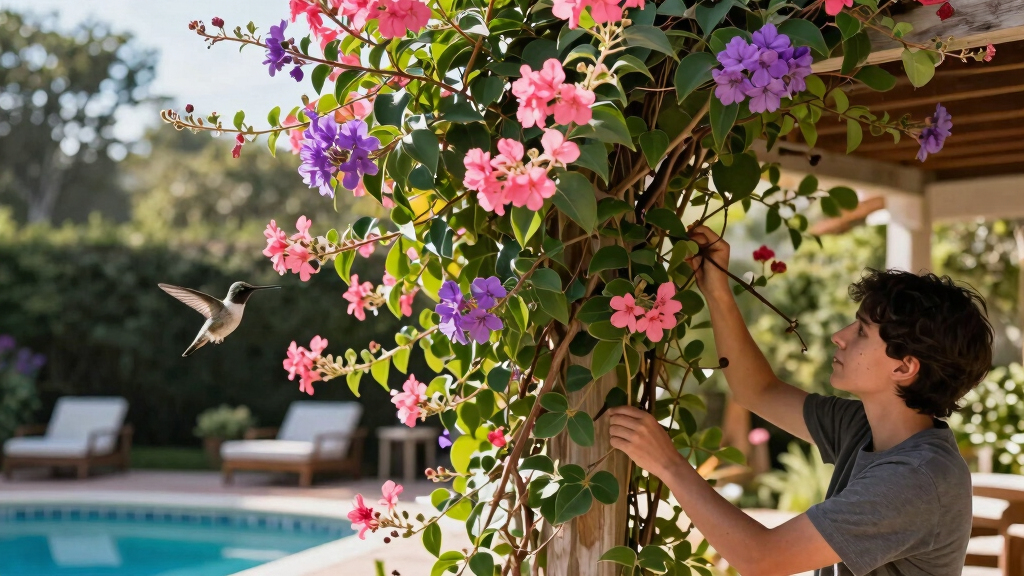
Horticultural specialists also state that the vine’s bright, nectar-rich flowers attract hummingbirds, which are confirmed to visit regularly, providing both ecological benefits and aesthetic appeal. The plant’s growth pattern is slow and controlled, with no evidence of spreading beyond intended areas, according to the study authors.
Environmental and Home Cooling Benefits of the Vine
This development matters because it offers a sustainable, chemical-free method for homeowners to manage indoor temperatures, potentially reducing reliance on air conditioning and lowering energy costs. Additionally, attracting hummingbirds supports local biodiversity and promotes natural pest control. The plant’s non-invasive nature addresses concerns about garden plants spreading uncontrollably, making it a safe option for urban and suburban areas.
Products Worth Considering

Orbit B-hyve Smart Indoor/Outdoor 12-Zone Sprinkler Controller

Orbit B-hyve XR 16-Zone Indoor/Outdoor Smart Sprinkler Controller

Husqvarna ST224 Two-Stage Gas Snow Blower, 24-Inch, 212 cc
As an affiliate, we earn on qualifying purchases.
Recent Advances in Eco-Friendly Cooling Solutions
Over the past few years, researchers have explored various natural methods to improve home cooling and support local ecosystems. The Heliopsis climber is among the latest innovations, building on previous studies of native flowering plants that attract pollinators and provide shade. Early reports from gardeners and environmental groups have highlighted its potential, but scientific validation has been limited until now.
Prior to this, most efforts focused on invasive species or synthetic solutions, which often carry environmental risks. The current research emphasizes the importance of non-invasive, native plants in sustainable landscaping, with this vine emerging as a promising candidate.
“Our studies confirm that the Heliopsis climber can reduce nearby indoor temperatures without harming local ecosystems. It’s a promising addition to eco-friendly home improvement strategies.”
— Dr. Laura Chen, lead researcher at University of Green Sciences
Unanswered Questions About Long-Term Effects and Widespread Use
While initial results are promising, it is not yet clear how the vine performs over multiple seasons or in different climates. Long-term ecological impacts, such as potential effects on native plant communities or unforeseen spreading, are still being studied. Researchers emphasize the need for broader field trials before recommending widespread adoption.
Ongoing Research and Adoption Guidelines for Homeowners
Researchers plan to conduct extended studies across varied geographic regions to confirm the vine’s effectiveness and safety. Meanwhile, horticultural organizations are developing guidelines for planting and maintaining the Heliopsis climber to ensure it remains non-invasive. Homeowners interested in using this plant are advised to consult local experts and verify its suitability for their area.
Key Questions
How effective is the vine at cooling homes?
Preliminary studies show it can reduce indoor temperatures by up to 3°C (5.4°F) when planted on exterior walls or trellises near windows and doors.
Is the vine safe for local ecosystems?
Yes, experts confirm that the Heliopsis climber is non-invasive and does not spread beyond designated planting areas.
Can I plant this vine in my climate?
While initial studies are promising, further research is needed to determine its performance in different climates. Consult local horticultural experts before planting.
Does the vine require special maintenance?
The vine is described as slow-growing and low-maintenance, suitable for residential gardens with standard care.
Will attracting hummingbirds affect my garden?
Hummingbirds are beneficial pollinators that can help control pests and enhance garden biodiversity, making their presence generally positive.
Source: rss