

When choosing pool lighting, consider LED, halogen, and fiber options. LED lights are energy-efficient, last longer, and help lower costs over time, making them a smart choice if you want savings and durability. Halogen lights are more budget-friendly initially but consume more power and need frequent replacements. Fiber optic lighting offers a modern, customizable look but involves higher installation costs. To find the best option for your pool, explore the details that follow.
Key Takeaways
- LED lighting offers energy efficiency, longer lifespan, and lower maintenance costs compared to halogen and fiber options.
- Halogen lights are budget-friendly upfront but have higher energy consumption and shorter lifespans.
- Fiber optic systems provide customizable, sleek aesthetics but involve higher installation complexity and costs.
- LED lights balance cost and design flexibility, making them ideal for long-term savings and ambiance.
- Your choice depends on priorities like budget, energy efficiency, maintenance, and desired visual effects.

When it comes to enhancing your pool’s ambiance and safety, choosing the right lighting options makes a big difference. The type of pool lighting you select impacts not only how your pool looks after dark but also how much you spend on energy and installation. If you’re aiming for energy efficiency, LED lights are a top choice. They use considerably less power than traditional options, which means lower energy bills and a smaller carbon footprint. Plus, LED bulbs last much longer, reducing the need for frequent replacements. While the initial installation costs for LED lighting can be higher than halogen or fiber options, the long-term savings on energy and maintenance often offset these expenses.
Halogen pool lights are another popular choice. They’re generally less expensive upfront, making them attractive if you’re working with a tight budget. However, they tend to consume more energy, which can lead to higher utility bills over time. Halogen bulbs also have a shorter lifespan compared to LEDs, so you’ll need to replace them more frequently. Installation costs for halogen lights are usually moderate, but keep in mind that their inefficiency might make them more costly in the long run due to higher energy consumption and replacement needs.
Fiber optic lighting offers a unique aesthetic that can really elevate your pool’s visual appeal. These lights don’t emit their own light but instead channel light from a central source through fiber optic cables. While fiber optics can be energy-efficient since they don’t produce heat or require much power, their installation can be more complex and costly. Running fiber cables often involves more labor and equipment, especially if your pool is large or has multiple zones. Despite the higher installation costs, fiber lighting provides a sleek, modern look that can be customized in color and pattern, making it a popular choice for those prioritizing design flexibility and ambiance.
Ultimately, your choice depends on your priorities: if you want long-term savings and energy efficiency, LEDs are the best option. If initial costs are your main concern, halogen lights might appeal more, though you’ll pay more over time. Fiber optics are perfect if you’re after a distinctive style and are willing to invest in a more involved installation. Whatever you decide, understanding the trade-offs between energy efficiency, installation costs, and aesthetic appeal will help you create a safer, more inviting pool environment that fits your budget and style.
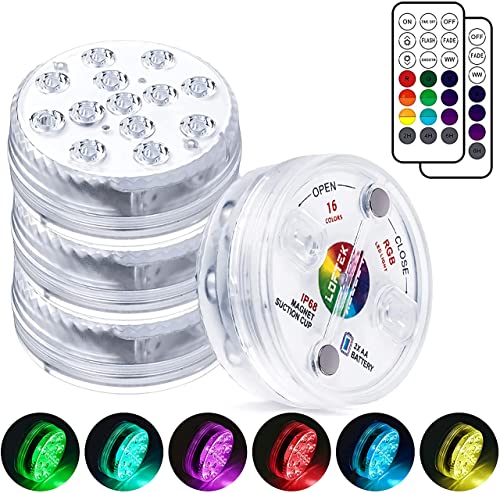
LOFTEK Submersible LED Lights with Remote, 13 LED Pool Lights for Inground Above Ground Pool with Magnets &10 Suction Cups,16 Color Changing Underwater Light for Ponds Battery Operated (4 Packs)
► [Newest Submersible Lights with Magnets and Suction Cups]: IP68 waterproof submersible lights with strong magnets and suction…
As an affiliate, we earn on qualifying purchases.
As an affiliate, we earn on qualifying purchases.
Frequently Asked Questions
Which Pool Lighting Option Is Most Energy-Efficient?
You’ll find LED pool lighting is the most energy-efficient option. It consumes less energy compared to halogen and fiber lights, reducing your overall energy consumption. When considering cost comparison, LED lights may have a higher upfront cost but save you money over time due to lower energy bills and longer lifespan. So, for energy efficiency and cost savings, LED is your best choice for pool lighting.
How Long Do LED Pool Lights Typically Last?
You can expect LED pool lights to last around 50,000 hours, making them highly durable and cost-effective. This longevity enhances pool safety by reducing the need for frequent replacements and guarantees consistent lighting aesthetics. With their long lifespan, you can enjoy a well-lit, inviting pool environment without worry. LED lights help you maintain a safe, visually appealing pool area year-round, giving you peace of mind and beautiful illumination.
Are Fiber Optic Lights Safe for Underwater Use?
Fiber optic lights are safe for underwater use when properly installed and maintained, ensuring fiber optic safety standards are met. They provide excellent underwater illumination without electrical components submerged, reducing shock risk. You should regularly inspect the fiber optic cables for damage or wear. When used correctly, fiber optic lighting enhances your pool’s ambiance safely, offering vibrant, energy-efficient illumination that creates a stunning underwater display.
Can I Install Pool Lighting Myself or Need a Professional?
Imagine the glow of your pool shimmering at night—that’s something you can achieve yourself with DIY installation. However, for safety considerations, it’s best to hire a professional. Pool wiring involves electricity and water, making it risky if you’re inexperienced. A professional guarantees proper setup, avoiding hazards, and ensures your lighting is safe and compliant. So, while DIY is tempting, safety should always come first with pool lighting projects.
What Maintenance Is Required for Halogen Pool Lights?
You need to regularly check your halogen pool lights for proper function and replace the bulbs as needed to maintain brightness. When replacing bulbs, always turn off the power and follow electrical safety guidelines to prevent shocks. Inspect the fixture for corrosion or damage, and clean it gently to make certain of good water flow and lighting quality. Routine maintenance keeps your pool safe, efficient, and visually appealing.

HQUA PN01DC LED Inground Pool Lighting System RGBW Color Change 10 Inch 50W, Remote/App Control, 120V AC, 100 Feet Cord
【 RGBW Color Control 】 – With the LC01 system, PN01DC offers 10+ dynamic modes, including flashing, jumping…
As an affiliate, we earn on qualifying purchases.
As an affiliate, we earn on qualifying purchases.
Conclusion
Now that you’ve explored LED, halogen, and fiber options, the perfect choice is just waiting to be uncovered. Imagine transforming your pool into a mesmerizing oasis, but the decision isn’t as simple as it seems. Will you opt for the energy-efficient glow of LEDs, the classic warmth of halogen, or the dazzling effects of fiber optics? The secret to creating your dream pool lighting is closer than you think—dare to discover what’s next.

3mm 5meters/16ft PMMA Optic Fiber Cable Side Glow With 12V 1.5W LED Aluminum Illuminator Light Source For Home Car DIY (Red)
Fiber head inner diameter:3mm
As an affiliate, we earn on qualifying purchases.
As an affiliate, we earn on qualifying purchases.

Jadisi LED Pool Light Bulb for Inground Pools – RGBW 70W Swimming LED Pool Lights, 12 Color Modes, Adjustable Brightness & Speed, Remote Control, Energy Efficient, E26 Base
Vibrant & Customizable Lighting: Featuring 456 high-quality LED beads (114 white, red, green, and blue), this pool light…
As an affiliate, we earn on qualifying purchases.
As an affiliate, we earn on qualifying purchases.