Choosing the best pool cleaner is influenced by factors such as efficiency, maintenance, cost, and pool size. Manual cleaners provide hands-on control and are ideal for involving children. Robotic cleaners are convenient with minimal maintenance and automated operation. Suction cleaners utilize existing pool suction, are cost-effective, and are efficient for removing small debris. Pressure cleaners rely on pool pressure, require installation, but effectively clean large areas. When selecting a pool cleaner, consider pool size, surface compatibility, and cord/hose length. Seek guidance for personalized recommendations. Each type of pool cleaner offers unique features to meet varying needs.

Get pool and patio gear delivered free with Prime
- Fast, free delivery on millions of items
- Prime Video, Amazon Music and more included
- Member-only deals all year
Key Takeaways
- Consider pool size: Robotic cleaners for large pools, manual for small.
- Choose based on maintenance preference: Robotic for low-maintenance, manual for interactive cleaning.
- Factor in initial cost: Manual cleaners are cost-efficient, while robotic cleaners have higher upfront expenses.
- Assess debris type: Suction for small debris, pressure for larger debris.
- Seek professional advice for tailored recommendations based on pool specifics.
As an affiliate, we earn on qualifying purchases.
Manual Pool Cleaners
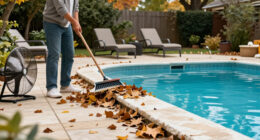
When considering pool maintenance options, manual pool cleaners are simple handheld tools that attach to the skimmer or garden hose, making them a convenient choice for pool owners looking for a hands-on cleaning solution.
These manual cleaners, which include poles, skimmers, nets, hooks, and vacuum heads, are not only effective for removing debris and algae from the pool bottom but also offer an interactive way to involve children in chores.
Ideal for pool owners who enjoy spending time outdoors and taking a more personal approach to pool care, manual pool cleaners provide a cost-effective and efficient method of keeping your pool clean and inviting for all swimmers.
Robotic Pool Cleaners
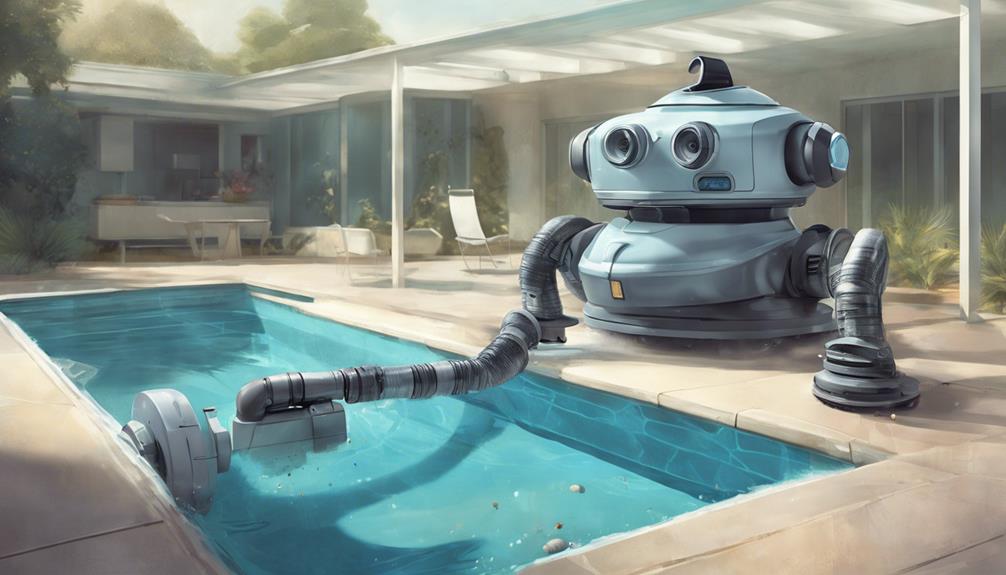
Robotic pool cleaners offer a modern and convenient alternative for pool maintenance, providing low-maintenance cleaning capabilities through advanced technology and automation. These cleaners come with electric motors, pumps, and filters, operating automatically with a computer chip that learns the pool shape.
However, they can be costly, and the electric cord may restrict movement and debris-catching capability. When considering robotic pool cleaners, keep in mind the following key points:
- Electric motors and pumps assist in efficient cleaning.
- Automated operation saves time and effort.
- Computer chip technology adjusts to pool shape for thorough cleaning.
- Higher initial cost but can decrease long-term maintenance expenses.
- Electric cord limitations may require strategic placement for best performance.
Suction Pool Cleaners

Suction pool cleaners efficiently operate by utilizing the existing suction in the pool to scrub the pool floors and collect debris. These cleaners typically attach to the pool's skimmer or dedicated suction line, leveraging the pool's filtration system to trap dirt and debris.
While suction pool cleaners are a cost-efficient option for pool owners, they may require more frequent emptying of the skimmer basket as debris accumulates. These cleaners are effective at picking up small to medium-sized debris like leaves, twigs, and pebbles. However, they may struggle with larger debris or algae buildup on pool surfaces.
Pressure Pool Cleaners
Pressure pool cleaners utilize the pressure generated by the pool's pump or a separate booster pump to propel the cleaner throughout the pool. These cleaners offer efficient and thorough cleaning, making them a popular choice among pool owners.
Here are some key points about pressure pool cleaners:
- Collect debris into a bag
- Long-lasting and rarely get clogged
- More expensive and require setup and maintenance
- Utilize pool's pressure to propel cleaner
- Can cover large pools effectively
Other Considerations for Pool Cleaners
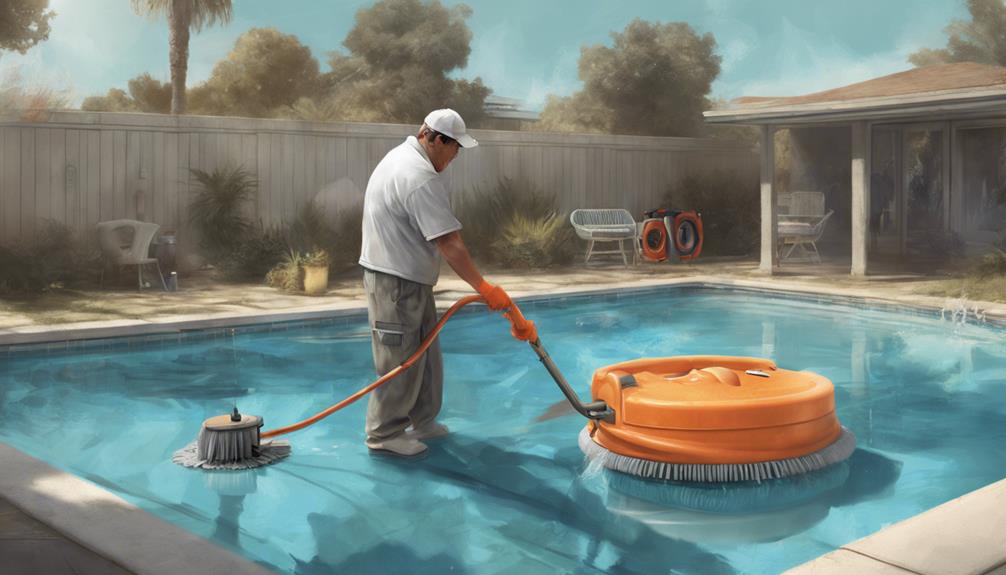
Factors such as pool size, compatibility with pool finish, and cord/hose length are important considerations when choosing a pool cleaner. The pool cleaner's reach should align with the size of the pool to guarantee thorough cleaning.
Compatibility with the pool finish is essential to prevent damage and maintain the aesthetic appeal of the pool surface. Additionally, determining the specific areas of the pool that need cleaning can help in selecting a suitable cleaner that meets those requirements.
In addition, ensuring that the electric cord or hose length is sufficient for the pool's dimensions is crucial to enable the cleaner to move freely and cover the entire pool effectively. Seeking advice from professionals can further help in making an informed decision tailored to your pool's specific needs.
Frequently Asked Questions
Can Pool Cleaners Be Used in All Types of Pools?
Pool cleaners can be used in various types of pools, including inground, above ground, concrete, vinyl, and fiberglass pools. However, it's crucial to confirm compatibility with your pool's surface and size for best performance.
How Often Should Pool Cleaners Be Serviced?
Regular maintenance is important for best performance. Pool cleaners should be serviced annually by a professional to guarantee efficiency and longevity. Timely servicing prevents breakdowns, extends lifespan, and maintains clean pool water.
Are Pool Cleaners Safe for Use Around Children?
Pool cleaners can be safe for use around children if proper precautions are taken. Supervise children during cleaning to prevent accidents. Educate them on safety guidelines, keeping them at a safe distance from operating equipment.
Can Pool Cleaners Remove Tough Stains From Pool Surfaces?
Pool cleaners, particularly robotic and manual ones, are effective in removing tough stains from pool surfaces. They utilize various mechanisms like scrubbing brushes, vacuum heads, and filtration systems to guarantee thorough cleaning and maintenance of pool surfaces.
Do Pool Cleaners Work Effectively in Saltwater Pools?
Pool cleaners can effectively work in saltwater pools. However, it's important to select the appropriate type based on compatibility with saltwater conditions. Regular maintenance and proper cleaning methods are essential for best performance and longevity of pool cleaners.
How Does the Shape of My Swimming Pool Affect the Type of Pool Cleaner I Should Use?
The ideal swimming pool shape discovery plays a crucial role in determining the type of pool cleaner you should use. For example, irregular-shaped pools may require a more advanced cleaner with maneuverability, while standard-shaped pools may work well with a basic cleaner. Understanding your pool’s shape is essential for effective cleaning.
Conclusion
In the vast pool of options for pool cleaners, it is crucial to carefully consider factors such as pool size and surface compatibility to select the most appropriate cleaner for your needs.
Whether opting for a hands-on approach with a manual cleaner or investing in a high-tech robotic solution, each type offers unique benefits and considerations.
By weighing these factors thoughtfully, you can guarantee a sparkling and enjoyable swimming pool experience. Remember, the right pool cleaner can make a splash in your maintenance routine.
Columbus Day / Indigenous Peoples' Day Picks
long weekend sales
As an affiliate, we earn on qualifying purchases.