
TL;DR

Get pool and patio gear delivered free with Prime
- Fast, free delivery on millions of items
- Prime Video, Amazon Music and more included
- Member-only deals all year
Gardening Know How advises gardeners to remove or manage seed heads from seven prolific self-seeding flowers before they disperse. The report says fall deadheading can limit volunteer plants and spring cleanup; it also recommends saving selected seeds for controlled sowing.
Gardening Know How has advised gardeners to remove mature seed heads from seven self-seeding flowers before seeds spread, a seasonal step the publication says can reduce unwanted plants and spring cleanup. The report describes this as garden-management advice, not a warning about a newly confirmed environmental or regulatory development.
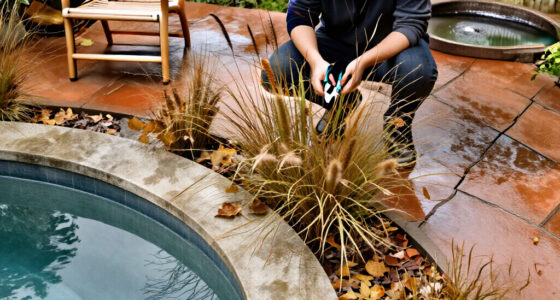
The report says spent flower heads should be cut off before seed capsules dry, darken or split. It recommends collecting the heads in a bucket or paper sack rather than dropping them on the soil, since loose seeds may be spread while working. The publication advises putting unwanted seed heads in household trash rather than a home compost heap, which it says may not get hot enough to destroy persistent seeds.
The seven flowers named are cosmos, spider flowers (cleome), calendula, forget-me-nots, poppies, borage and nasturtiums. The source material includes detailed instructions for cosmos and cleome: cosmos heads can be removed while green or pale tan, while cleome pods should be cut before they become brittle. It also cautions that mature cleome stems can have sharp spines and sticky hairs, recommending protective clothing and gloves.
Gardeners who want particular varieties can keep some seeds for spring, the report says. It recommends taking mature seed heads on a dry day, allowing collected seeds to dry, and storing them in labeled paper envelopes in a cool, dark place. The source also says not every self-seeder needs to be removed: it gives native purple coneflower and black-eyed Susan as examples whose seeds can be left where gardeners accept some spread and want to provide food for birds.
How Seed Control Changes Spring Work
The practical concern is unwanted growth beyond the original flower bed. According to the report, seeds can establish in paths, lawns, vegetable plots and neighboring yards, while volunteer plants may compete with slower-growing garden plants for space, light and nutrients. That can mean more pulling or digging when growth returns in spring.
Timely removal also gives gardeners a choice: prevent broad dispersal while retaining a small, selected quantity of seed. The advice is most relevant to people who want to limit volunteers in cultivated areas, though the report does not quantify how many plants or seeds a particular garden might produce.
Products Worth Considering

Solo Stove Ranger 2.0 15-Inch Smokeless Fire Pit with Stand

Orbit B-hyve XR Smart Indoor/Outdoor Sprinkler Controller, 16 Zones

Husqvarna 120 Mark III Gas Chainsaw, 38-cc, 2-Cycle X-Torq Engine, 16 Inch Bar
As an affiliate, we earn on qualifying purchases.
Why Fall Deadheading Matters
Many annuals and other flowers produce seed after their blooms fade. The report frames fall as a containment period: once seeds fall or are carried away, removing the parent plant will not retrieve them. It says local conditions affect timing, with early frost potentially interrupting seed-head development in colder regions and longer warm falls giving seeds more time to mature in milder areas. Wind and rain can also move small seeds.
The source advises regular inspection rather than waiting for all plants to finish flowering. Its recommendations are general gardening guidance, and the right approach can depend on the species, climate, garden goals and local growing conditions. It does not provide a region-by-region calendar for when to cut each of the seven flowers.
“The primary defense is regular deadheading.”
— Gardening Know How
Limits of the Seed-Spread Advice
The source material provided for this article gives detailed control instructions for cosmos and cleome, but not the same level of plant-specific detail for the other five flowers listed. It does not document studies, measurements or a named expert’s assessment of how frequently these plants spread beyond gardens. The claim that removing seed heads reduces later cleanup is presented as gardening guidance, not a quantified result.
It is also unclear which varieties or local conditions might alter the timing or extent of seed dispersal. Gardeners should identify plants accurately and check local guidance where a species may be invasive or restricted; the supplied report does not establish that all seven flowers are invasive in every region.
Inspect Plants Before Seed Set
The report’s immediate recommendation is to inspect fading flowers and remove seed heads before they dry and open. Collect unwanted heads carefully, avoid carrying loose seeds across the garden, and keep any seeds intended for spring sowing labeled and stored separately. For cleome, use gloves and clothing that protect against spines and sticky hairs.
Gardeners can then reassess volunteer growth next spring and decide whether to keep selected seedlings or remove those appearing in unwanted places. The source offers no later update or follow-up findings, so the outcome will depend on local weather, plant maturity and how consistently seed heads are removed.
Key Questions
Which seven flowers does the report say to manage?
It lists cosmos, spider flowers (cleome), calendula, forget-me-nots, poppies, borage and nasturtiums. The level of specific removal advice in the supplied source is greatest for cosmos and cleome.
When should gardeners remove the seed heads?
The report recommends cutting them before they dry, turn dark brown or split. Timing varies with the plant and local conditions, so inspect fading blooms rather than relying on one date.
Can gardeners save seeds instead of discarding them?
Yes. The source advises collecting selected mature heads on a dry day, drying the seeds and keeping them in labeled paper envelopes in a cool, dark place for controlled sowing in spring.
Should every self-seeding flower be removed?
No. Gardening Know How says some gardeners may leave less aggressive plants where spread is acceptable. It specifically mentions native purple coneflower and black-eyed Susan as possible food sources for birds, while noting that seed dispersal can still occur.
Source: gardeningknowhow.com