

To enhance your water walking and jogging, focus on proper technique by maintaining relaxed shoulders, an upright posture, and a steady gaze. Swing your arms naturally to increase resistance and engage your core for stability. Accelerate gradually to boost resistance and challenge yourself safely. Use flotation devices or resistance gloves for extra effort, and vary movements to target different muscles. Keep practicing these techniques to maximize benefits—there’s more to discover for a more effective workout.
Key Takeaways
- Maintain proper posture with relaxed shoulders, lifted chest, and a straight gaze to ensure efficient movement.
- Use natural arm swings to help propel you and increase resistance during water walking or jogging.
- Engage your core muscles to stabilize your body and maximize workout effectiveness.
- Gradually increase your speed and effort to enhance hydrodynamic resistance and intensity.
- Incorporate resistance tools like gloves or kickboards to amplify muscular engagement and challenge.

Water walking and jogging are excellent low-impact exercises that can help you build strength, improve cardiovascular health, and increase flexibility. When you engage in these activities, water’s unique properties—specifically hydrodynamic resistance and water buoyancy—play a significant role in enhancing your workout. Hydrodynamic resistance refers to the force exerted by water as you move through it. This resistance slows your movements, requiring your muscles to work harder without the harsh impact associated with land-based exercises. As you lift your legs or swing your arms during water walking or jogging, you feel this resistance pushing back, effectively strengthening muscles across your lower and upper body. The greater the speed and effort, the more resistance you encounter, allowing you to customize your workout intensity.
Water’s hydrodynamic resistance and buoyancy make low-impact, effective full-body workouts safe and customizable.
Water buoyancy is another key factor that benefits your exercise routine. Because water supports your body weight, it reduces joint stress and minimizes the risk of injury. This buoyant force counteracts gravity, making movements smoother and less taxing on your joints, especially if you’re recovering from injury or dealing with arthritis. As a result, you can perform longer sessions or maintain a higher frequency without the fatigue or discomfort that often accompanies land-based workouts. The buoyancy also aids in balance and stability, enabling you to focus on proper form and technique without worrying about falling or losing your footing.
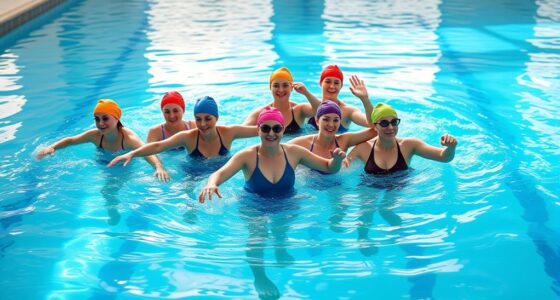
To maximize the benefits of water walking and jogging, focus on maintaining proper posture and engaging your core. Keep your shoulders relaxed, chest lifted, and look straight ahead. Your arms should swing naturally, helping to propel you forward while increasing water’s hydrodynamic resistance against your movements. When jogging, increase your pace gradually, feeling the resistance intensify as you push yourself. Incorporate different strokes or movements to target various muscle groups and avoid plateauing. Using flotation devices like kickboards or resistance gloves can further amplify the hydrodynamic resistance, giving your muscles an extra challenge.
Finally, remember that water’s resistance and buoyancy work together to create a safe, effective environment for cardio and strength training. They allow you to build endurance and muscle tone without overloading your joints. Whether you’re a beginner or an experienced athlete, water walking and jogging offer versatile, low-impact options that can be tailored to your fitness level. By understanding and leveraging these water properties, you set yourself up for a sustainable, enjoyable workout that delivers real results. Incorporating natural techniques such as proper breathing and gradual progression can also enhance your overall exercise effectiveness.

FitsT4 Sports Aqua Gloves Webbed Paddle Swim Gloves Fitness Water Aerobics and Swimming Resistance Training Gloves for Men Women Children Purple M
【Size Reminder】 Measure your palm width, the small water gloves for women with small hands & youth &…
As an affiliate, we earn on qualifying purchases.
As an affiliate, we earn on qualifying purchases.
Frequently Asked Questions
What Is the Ideal Water Depth for Walking and Jogging?
You should walk or jog in water that’s about waist-deep to optimize water buoyancy and resistance. At this depth, water supports your body, reducing impact, while providing enough resistance to challenge your muscles effectively. This balance helps improve strength and endurance without overstressing your joints. Adjust if needed for comfort, but generally, waist-high water offers the ideal level for maximizing benefits from water walking and jogging.
How Can I Prevent Slipping During Water Workouts?
To prevent slipping during water workouts, you need to stay alert and prepared. Wear slip-resistant footwear to grip the pool floor and reduce your risk of falls. Manage water turbulence by maintaining steady movements and avoiding sudden, sharp motions. Focus on controlled steps, and keep your eyes on your footing. Combining slip-resistant shoes with water turbulence management creates a safer environment, helping you enjoy your workout without the worry of slipping.
Are There Specific Shoes Recommended for Water Jogging?
Yes, there are specific shoes recommended for water jogging. You should look for water shoes or aquatic footwear designed for buoyancy, grip, and quick drying. These shoes provide better traction on wet surfaces, helping prevent slipping. Choose lightweight, snug-fitting options with non-slip soles. Aquatic footwear ensures safety and comfort during your water workouts, allowing you to jog confidently without worrying about slipping or discomfort.
How Often Should I Incorporate Water Walking Into My Routine?
Think of water walking as your invigorating oasis; you should aim for 3-4 sessions weekly. This frequency maximizes hydrotherapy benefits, helping you recover, boost endurance, and reduce impact stress. Regular water workouts serve as a sanctuary for your joints while strengthening muscles. Incorporate this calming routine consistently, and you’ll find your fitness journey revitalized, like a wellspring of energy that keeps you energized and injury-free.
Can Water Exercises Replace Land-Based Cardio Effectively?
Yes, water exercises can effectively replace land-based cardio. You benefit from aquatic resistance, which challenges your muscles without high impact, and buoyancy benefits reduce joint stress. These workouts boost your cardiovascular health while protecting your joints, making them ideal for recovery or injury prevention. Consistent water exercises improve endurance, strength, and flexibility, providing a holistic alternative to traditional cardio routines, especially if you need low-impact options.

New Aqua Water Fitness Deluxe Flotation Belt – Adult Aquatic Swim Belt for Water Aerobics and Other Pool Exercise – Black/Blue
Low-impact exercise: Challenge yourself with fun, low-impact pool exercise to alleviate stress on your joints; swim belt is…
As an affiliate, we earn on qualifying purchases.
As an affiliate, we earn on qualifying purchases.
Conclusion
Water walking and jogging are fantastic low-impact exercises that boost your fitness without stressing your joints. Did you know that water workouts can burn up to 400 calories per hour? So, next time you hit the pool, remember you’re not just having fun—you’re also improving your strength and endurance. Keep practicing these techniques regularly, and you’ll enjoy the health benefits while staying injury-free. Immerse yourself and make your water workouts a part of your fitness routine!
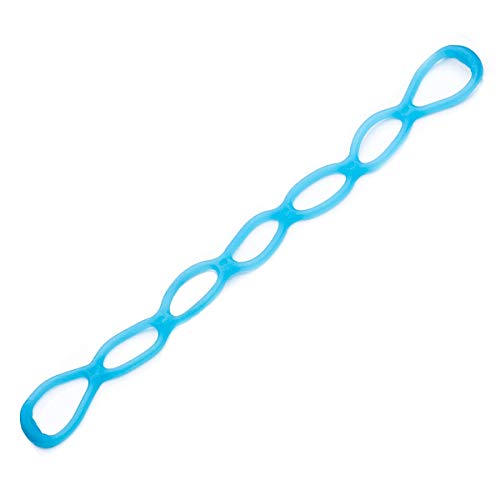
Walk at Home Resistance Bands 7 Ring Adjustable Resistance Bands for Working Out Home Workout Walking Exercise Workout Bands Fitness Program Exercise Bands Stretch Bands for Recovery, Blue
ADJUSTABLE 7 RING RESISTANCE BANDS: Add multiple levels of resistance to your training and home exercise with these…
As an affiliate, we earn on qualifying purchases.
As an affiliate, we earn on qualifying purchases.

GoSports X5 Swim Kickboard for Swimming Training and Pool Exercise – Adult Size
SWIM TRAINING AID: Like training wheels in the water; Assists during swim lessons to isolate legs and practice…
As an affiliate, we earn on qualifying purchases.
As an affiliate, we earn on qualifying purchases.